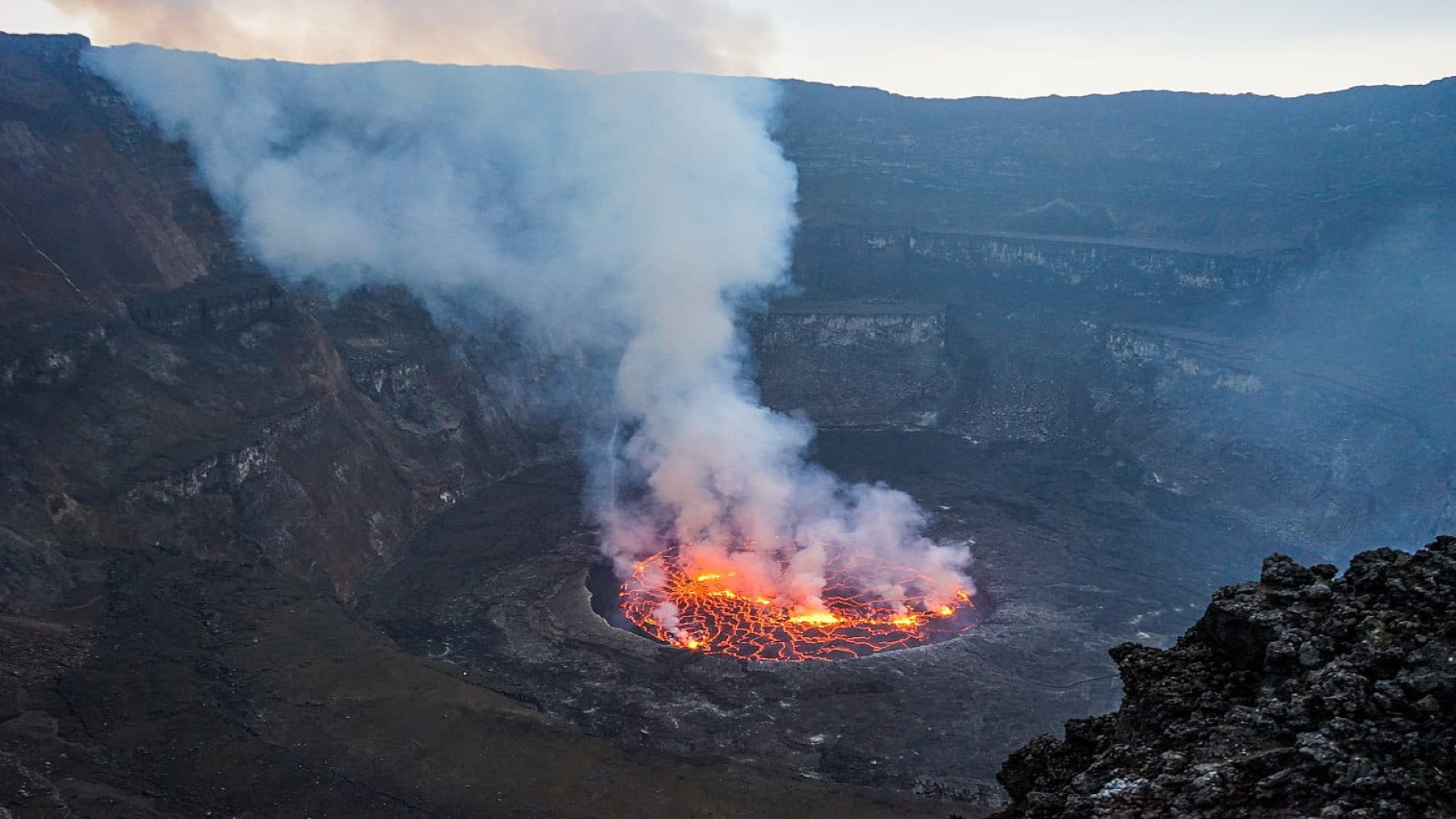
Iceland is charging ahead of the rest of the world into renewables, and it is offering copies of the example, for all, on how to get to net-zero emissions. This island nation, with its geothermal energy and innovative possibilities, shows how natural resources can result in a path toward sustainability beyond economic development and waste minimization. Small nation-wonderful ideas shaping how people think about renewable energy and circular economies today.
Revolutionizing Iceland: The might of geothermal energy
It is changing the whole landscape of Iceland through geothermal energy. About 70% of the energy source for the Icelanders is geothermal; that is how far the country was transformed from burning peat, coal, and oil almost a century ago.
Not only does it minimize pollution drastically, but it also sets an early benchmark on the global energy sector. Today, almost 90% of homes in Iceland have been heated using geothermal energy, irrigation applications, local surface food production, and even heavy industries such as aluminum smelting use geothermal energy to generate electricity.
Iceland recognizes geothermal energy not only in its households but also internationally. Just like that, it has become the world’s leader in the export of geothermal knowledge, acting as a consultant to projects across Ethiopia, Kenya, Turkey, and many more.
For example, through the Geothermal Training Programme, there are hundreds of specialists already trained from developing countries and made capable of supplying geothermal energy back in their countries. Yet with that, there is still a lot of impediments.
Increasing populations and consumption with changing rainfall patterns have begun to stretch Iceland’s hot water resources to their limits. Utility companies are scrambling to find ways to expand capacity, but they are taking too long, and most solutions will take time before they fill this gap.
Optimizing resources: High gains with minimal environmental damage
For creating a circular economy, Resource Park has pioneered HS Orka, one of the most prominent energy companies in Iceland. This new paradigm extends the geothermal by-products into such resources as biotech, aquaculture, cosmetics, and tourism-related industries.
The prominent example is the world-famous Blue Lagoon, which is a geothermal spa that uses mineral-rich water that had previously been used for electricity and hot-water production. The astonishing thing is that the revenues generated by the Blue Lagoon are often more than those of the energy source from which it derives, thereby exemplifying the economic upside of circular systems.
The Resource Park operations embrace multiple resource outputs from geothermal plants such as steam, mineral-rich fluids, carbon dioxide, and cold water. The transformed and repurposed output is designed to obtain very high value products at the same time with less environmental impacts. This circular model has now been an inspiration to other geothermal countries (just like this one found by Iceland under ice) to create similar initiatives for more sustainable development worldwide.
Economic resilience via geothermal energy in Iceland
The sustainability commitment has economic resilience as well in Iceland. The geothermal energy, made available by Iceland, attracts energy-intensive industries such as aluminum production, and more recent developments, data centers.
These types of constructions become beneficiaries through an uninterrupted renewable energy supply and naturally cool environments, further reducing their carbon footprint. Nevertheless, the rise in the demands of warm water and electricity is putting pressure on Icelandic utility infrastructure.
Projections have shown that, by 2060, the output would need to be increased twofold. It would be an uphill task since geothermal exploration and development are not simple processes. Some expansion of generation is already in progress; however, there are no immediate solutions.
While Iceland continues experimenting, it goes beyond electricity generation to improving geothermal systems’ efficiency and sustainability. It wastes less and makes better use of resources, reflecting the potential of renewable energy to serve environmental and economic objectives simultaneously.
Iceland is fully committed to geothermal energy, showing how renewable sources can truly change people’s lives. Although nearly energy self-sufficient, it is perhaps the leader in sustainable innovation and facing its challenges. And this country has presented a good model for countries aspiring to achieve a greener future (just like this one which comes from the center of the Earth).