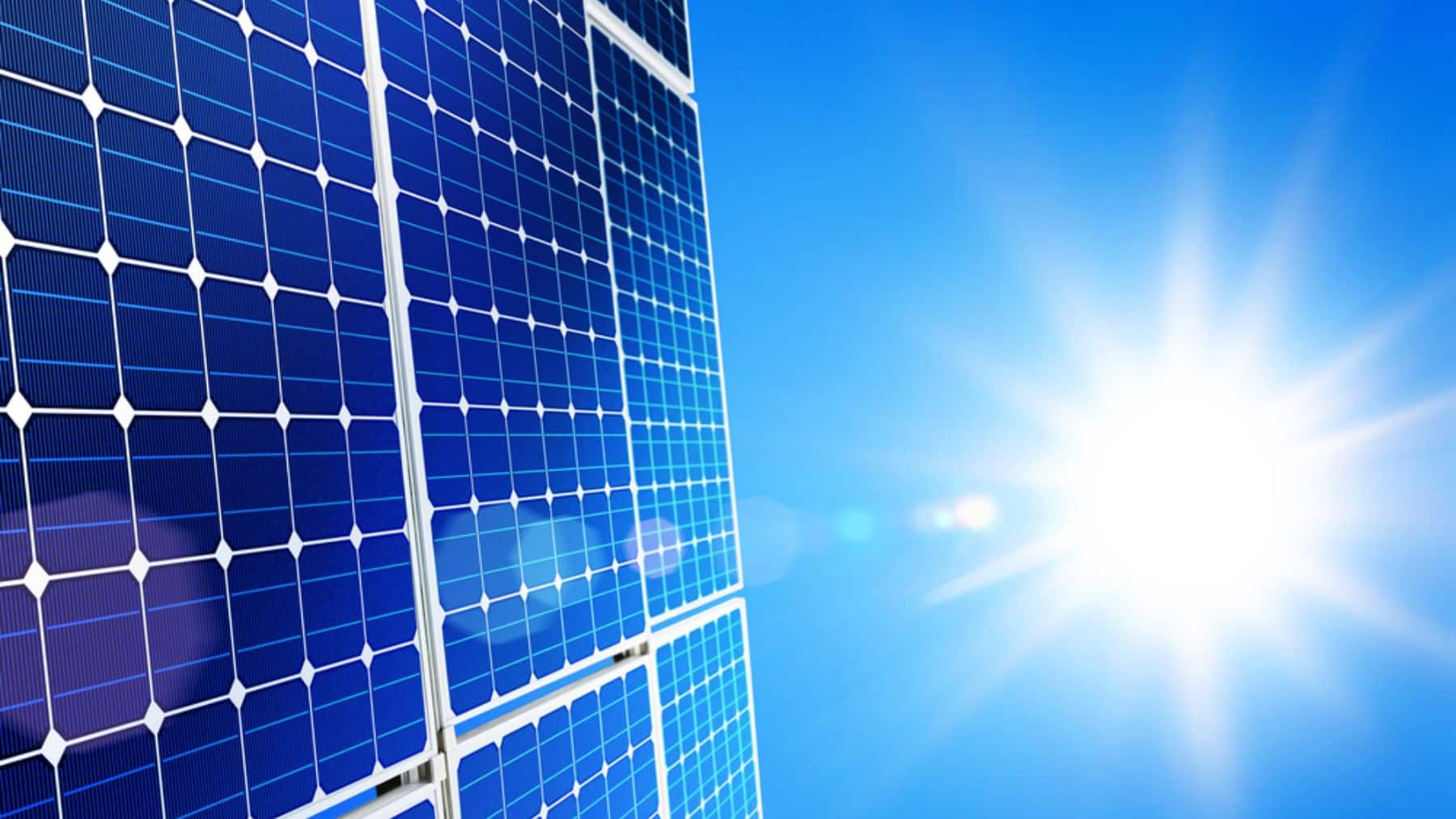
Breaking the laws of energy and emerging as the most powerful of all is an organic solar panel with an 8,7% efficiency rate. Scientists have managed to achieve such a technological leap by breaking all the barriers and redefining what was believed to be highly impossible in science. This solar panel, defined as the world’s most efficient all-organic solar panel, can outperform its peers while avoiding the environmental upsets commonly tied to traditional solar panels. A greener solar solution is perhaps here.
An organic solar panel cell breakthrough in Canada
A collaboration between Kanazawa University, REIKO Co., Ltd., and Queen’s University in Canada saw this solar innovation come about. The team led by Associate Professor Masahiro Nakano was able to reach a power conversion efficiency (PCE) OF 8,7% for all-organic solar cells (AOSCs). All other AOSCs reached a PCE of more or less 4%. This surely is a dramatic leap forward and one that is meant to overcome some of the issues in terms of organic solar technology.
This collaboration led to the discovery that by combining a low-temperature conductive polymer electrode with a carbon nanotube lamination method, the solar cell is able to overcome the issue of degradation. While overcoming certain barriers faced by traditional panels as well, all problems can be overcome without the use of metals or toxic materials.
This organic solar panel turns the whole premise that perovskite solar panels are better than traditional silicon panels upside down. Both silicon and perovskite panels contain hazardous substances like lead.
Harnessing green energy with perovskite solar panels
For the most part, silicon as well as more recent perovskite solar panels are at the forefront of the solar market, being over 26% efficient, however, these types of solar systems bear hidden costs. Components used for these types of solar panels are difficult to recycle. The entire disposal process produces hazardous waste and poses serious environmental risks.
With all-organic solar cells, the cells are made up entirely from carbon-based materials, proving to have minimal or no effect on the environment. Could all-organic solar panels be the answer to reducing environmental and economic stress?
For this particular solar panel, Nakano’s team did not make use of any harmful chemicals when creating it. The beauty part is that the novel transparent electrode uses PEDOT: PSS, applied at merely 80°C, which is technically much lower than the >150°C required for other materials. Organic layers are not at all destroyed due to the investment in proper testing.
Nakano and his team proved that a suitable, safer, and easier type of solar panel is achievable.
How will we be using organic solar panels in the future?
Despite being a safer option, these organic solar panels are also flexible and lightweight, making these panels the most desirable alternative for not only rooftops but also other areas.
There are a variety of places where the organic solar panel would be suitable to use, such as in:
- Agricultural environments
- Disaster relief situations
- Electronics
The thought is that this type of solar cell would also effortlessly fit into urban settings. Imagine carrying solar panels on your backpack. This is what is on offer. Traditional solar panels may not fit everywhere; however, this type of solar panel will work well anywhere.
The inventors behind this organic solar cell are still working on enhancing the conductivity of organic electrodes and refining these not-so-traditional panels. While already standing as a competitor of silicon-based panels, these panels could also serve as the biggest rival to perovskite solar panels.
Solar power in a nutshell
Defying the laws of physics and pushing the boundaries on limits of solar panels, these organic solar panels are making a considerable amount of difference without sacrificing organic material for toxic substances. The organic solar panel reminds us that clean energy does not need to come at the cost of further harm to the environment. A flexible energy future is now available at our doorstep, and it offers cleaner and safer energy for all. Can infinite energy be a possibility, too?