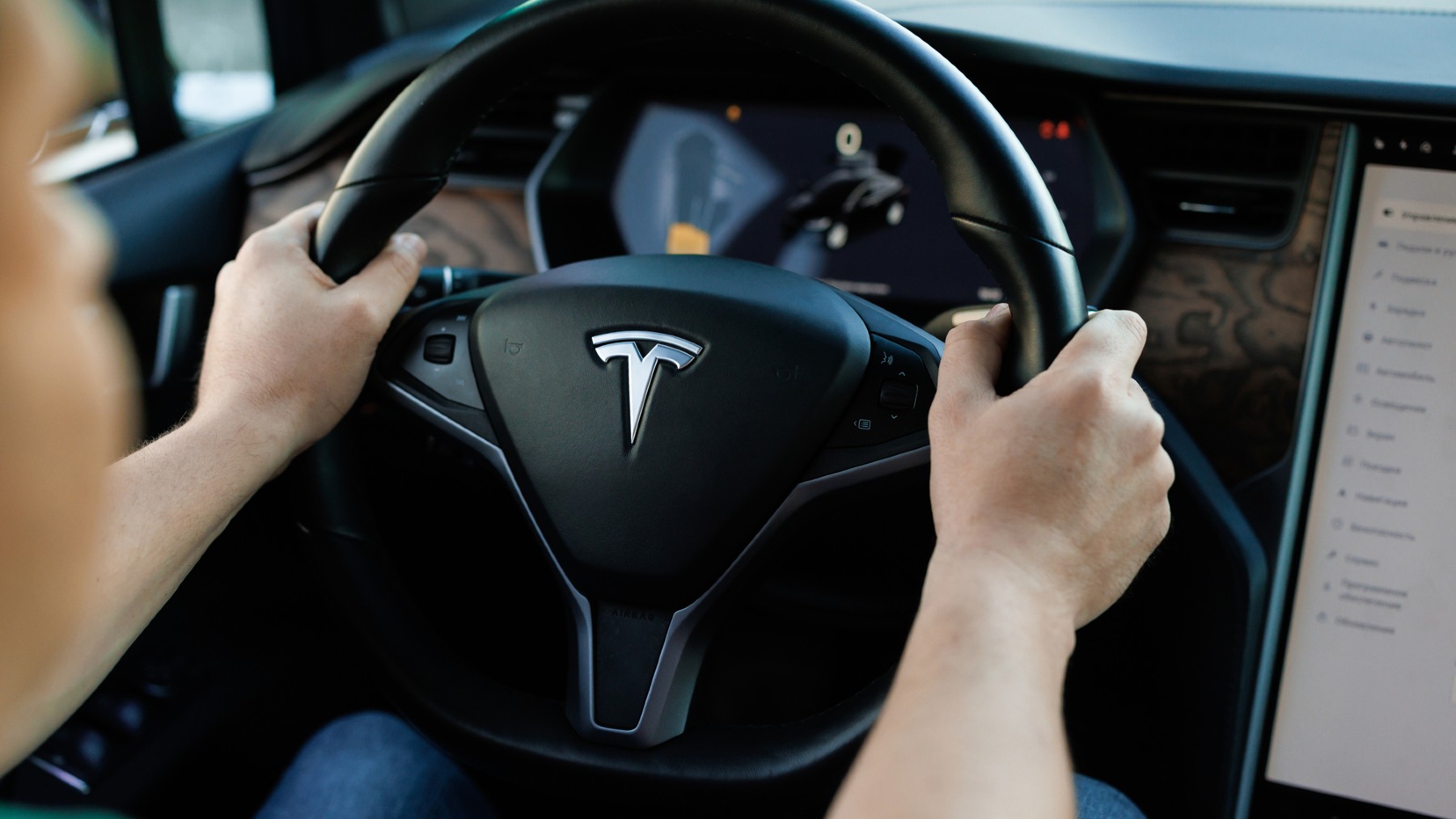
Car insurance companies have just unveiled a practice that, for many, is borderline controversial. Did you know that your car has been giving you away? For years, it has been snitching on how you drive so that it will raise the price of your policy if you do it wrong, have too many accidents or drive too fast. If you don’t know how he’s done it, we’ll reveal it to you and you’ll be impressed.
Your car has given you away: what is happening? Find out the details
Insurance rates vary by car insurance company and are derived from a considerable number of risk factors that determine the chance and severity of claims made. Added to such risks factors are typically age, driving history, location, type of vehicle, and rate of vehicle miles driven per given year.
Nevertheless, carmakers started to learn from data on individual behavior of driving since they got access to it through sensors and cameras from car itself. This information can indicate the ways a person drives, including speed, acceleration, deceleration, changing lanes, slowing down, turning, or even viewing the road.
What is more, the biggest number of automakers is getting to use exactly this driver data on a really detailed level, directly with insurance companies. This grants the insurers much more granular knowledge on actual drivers’ habits, and their level of driving risk.
The judgment of risks is based on empirical driving for those with that good driving behavior will be rewarded with significantly lower rates, and those behind the wheel too many times speeding or high-risk braking instead should expect to be subject to rate increases as a consequence.
Up to 25 GB data: that´s how your car is extracting information from you
The modern vehicles emit now less than a few hundred sensors and onboard computer information which directly contributes to the data about the car and the driver, that is, accumulation of a huge amount of information. The information includes deep details such as, location data, speed, acceleration or braking.
Various sensors being employed in this regard, such as GPS, radar, lidar, ultrasonic sensors and cameras are to enable car manufacturers to monitor a vehicle’s movement 24/7, in both the case where the vehicle is either being driven or just parked.
Onboard computers make use of the multitude of sensors, gathering and analysing the data they generate. Eventually, the computers build up a seamless online identity of the vehicle and the driver given enough time. According to some reports, a new bran-new car can generate as much as 25 GB of data per hour.
However, the situation becomes more complex as the third parties, with the insurance companies, receive the increasing share of the data, and yet, the questions on the data security, scale of disclosure policy, and commercialization of the gained data access remain.
The reaction has not been long in coming: here’s what drivers say
Automakers tend to give forward the consumer’s data including the personal information that may describe the individual driving style and etc to the insurance companies allowing the insurers to observe the drivers closely. Such data gives insurers with an exceptional/unprecedented perception of what the driving experience is like.
Equipped with telematics data directly from the network of connected vehicles, the insurance companies will now be able to shift their customer base towards a personalized rate structure for each customer that mirrors their actual driving behavior.
As a result, the opponents of the framework counter that this broad sharing of data results in a personal privacy erosion and at the same time gives insurance companies an excessive control over how premium rates are being set based on the driving behavior of policyholders.
As you can see, this is the secret trick of your car insurance that has now been unveiled across America, with hundreds of companies “listening” to their customers to find out how they drive. The truth is that it is a completely legal practice and is being exported to the European Union, although on the other side of the ocean they have stricter regulations in this regard that may prevent its implementation.