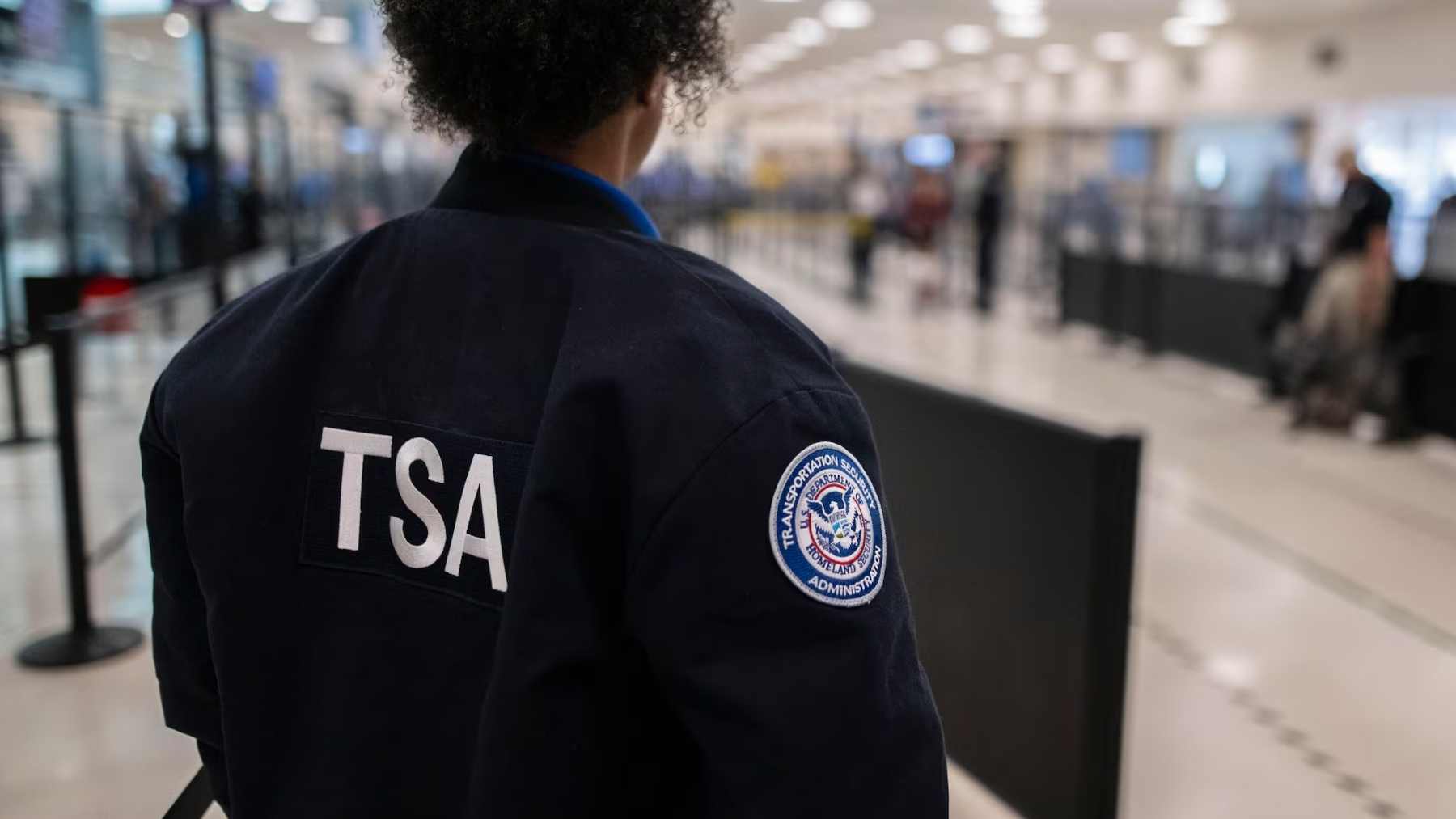
Beginning February 1, 2026, travelers who reach airport security without a REAL ID compliant license, passport, or other acceptable ID may have to pay $45 to use a new verification system called TSA ConfirmID, according to the Transportation Security Administration. This paid backup option is meant to help verify the identity of the small share of passengers who still do not have a compliant document now that REAL ID enforcement is in full swing.
The catch is simple and a little harsh. Paying the $45 fee only gives TSA permission to try to verify who you are, and officials warn there is still no guarantee you will be allowed through the checkpoint or onto your flight. For anyone who has ever sprinted to a gate after a traffic jam or a long line at check in, that uncertainty adds one more thing to worry about.
What the new $45 TSA fee actually does
TSA ConfirmID is an “alternative identity verification” program for people who show up at the airport without a REAL ID or another accepted document such as a passport. The agency says the fee covers the cost of using biometric or biographic checks instead of a physical compliant ID and shifts that expense from taxpayers to the travelers who need the extra help.
In practice, ConfirmID gives you a 10-day window during which you can travel after paying once, so a round trip within that period would not require a second fee. After 10 days, you would have to pay again if you still do not have a REAL ID or other valid ID. That setup may work for a quick business trip, but it gets pricey fast for frequent flyers who never update their documents.
How TSA ConfirmID works before you reach the checkpoint
TSA wants travelers without a REAL ID to start the ConfirmID process online before they ever step into the security line. Through a government payment portal, you enter your name and travel dates, answer questions meant to confirm your identity, and pay the non-refundable $45. Officials say the process usually takes 10 to 15 minutes, although in some cases it can stretch closer to half an hour.
Once the online steps are finished, you receive a digital receipt. At the checkpoint, a TSA officer asks for that receipt along with whatever ID you do have, then confirms details like your legal name, address, and date of birth before deciding whether you can move on to normal screening. If anything does not match or the system cannot validate your identity, the officer can still refuse to clear you even though you paid.
Who has to pay and who is exempt?
The fee applies to most passengers 18 and older who want to board a domestic flight but arrive at security without a REAL ID or another acceptable ID such as a U.S. passport, passport card, or certain immigration documents. TSA says travelers whose REAL ID or passport was lost or stolen also fall into this group and will need to use ConfirmID if they cannot replace their ID in time.
Children under 18 still do not have to show ID for domestic flights when traveling with an adult, so the new fee largely targets adults who are out of compliance. The agency also reminds people that ConfirmID is optional, yet anyone who refuses the process and still lacks acceptable ID may simply be turned away at security and miss their flight.
How to avoid paying $45 by getting the right ID
At the end of the day, the simplest way to dodge the fee is to get a REAL ID or carry another document that TSA already accepts. These include a U.S. passport, a U.S. passport card, state-issued enhanced driver’s licenses or enhanced ID cards in participating states, foreign passports, permanent resident cards, and border crossing cards. A temporary paper driver’s license does not count for boarding a domestic flight.
For Ohio residents wondering about timing, information linked by the Ohio Bureau of Motor Vehicles explains that new IDs are mailed to you and should arrive in a plain white envelope within about 10 business days, and that travelers should contact the BMV if nothing shows up within 28 days.
That means someone with a trip in early February who waits until the last moment for an appointment could easily end up paying TSA rather than flashing a new card. Planning a month ahead gives you more breathing room and keeps that $45 in your pocket.
Airport security rules keep shifting around travelers
The new fee lands after a series of other rule changes that already reshaped the checkpoint experience. In July 2025, the Department of Homeland Security ended the long-standing “shoes off” requirement, letting travelers keep their shoes on during screening thanks to upgraded scanners.
Later that summer, TSA banned certain gas-powered hair tools from checked bags and reminded travelers that lithium battery power banks belong only in carry-on luggage, not in the cargo hold.
Taken together, these updates suggest a broader shift. Fewer rules focus on what you wear to the airport and more on proving who you are before you step through that metal frame. For most people who already carry a REAL ID or passport, nothing will change on February 1 apart from the possibility of seeing more confused passengers pulled out of line to complete ConfirmID on a phone.
For everyone else, the choice is getting clearer. Spend time at the DMV now or risk spending $45 and some nervous minutes at the checkpoint later.
The official policy has been published by the Transportation Security Administration.