China is bringing out solar panels with great ease. They bring something new and this is bad news for the Spanish territory. After the shocking uproar caused by the use of antimony in solar panels, a new proposal comes directly from East Asia. Solar photovoltaic energy is extremely important in the context of the current energy transition.
It directly converts sunlight into electricity using a technology based on the photovoltaic effect. When solar radiation strikes one side of a photoelectric cell (which is part of the panels), an electrical potential difference is generated between the two sides, causing electrons to jump from one side to the other, thus producing an electric current.
It now has added value as a powerful tool for mitigating climate change. Its energy production does not emit greenhouse gases, which means that it does not contribute to global warming. Moreover, it is inexhaustible and renewable, unlike energy sources such as coal, gas or oil, which are non-renewable resources (i.e. not replenished by biological processes) and will eventually run out. It may take millions of years of similar evolution and decay for them to reappear.
China is gaining ground with solar panels
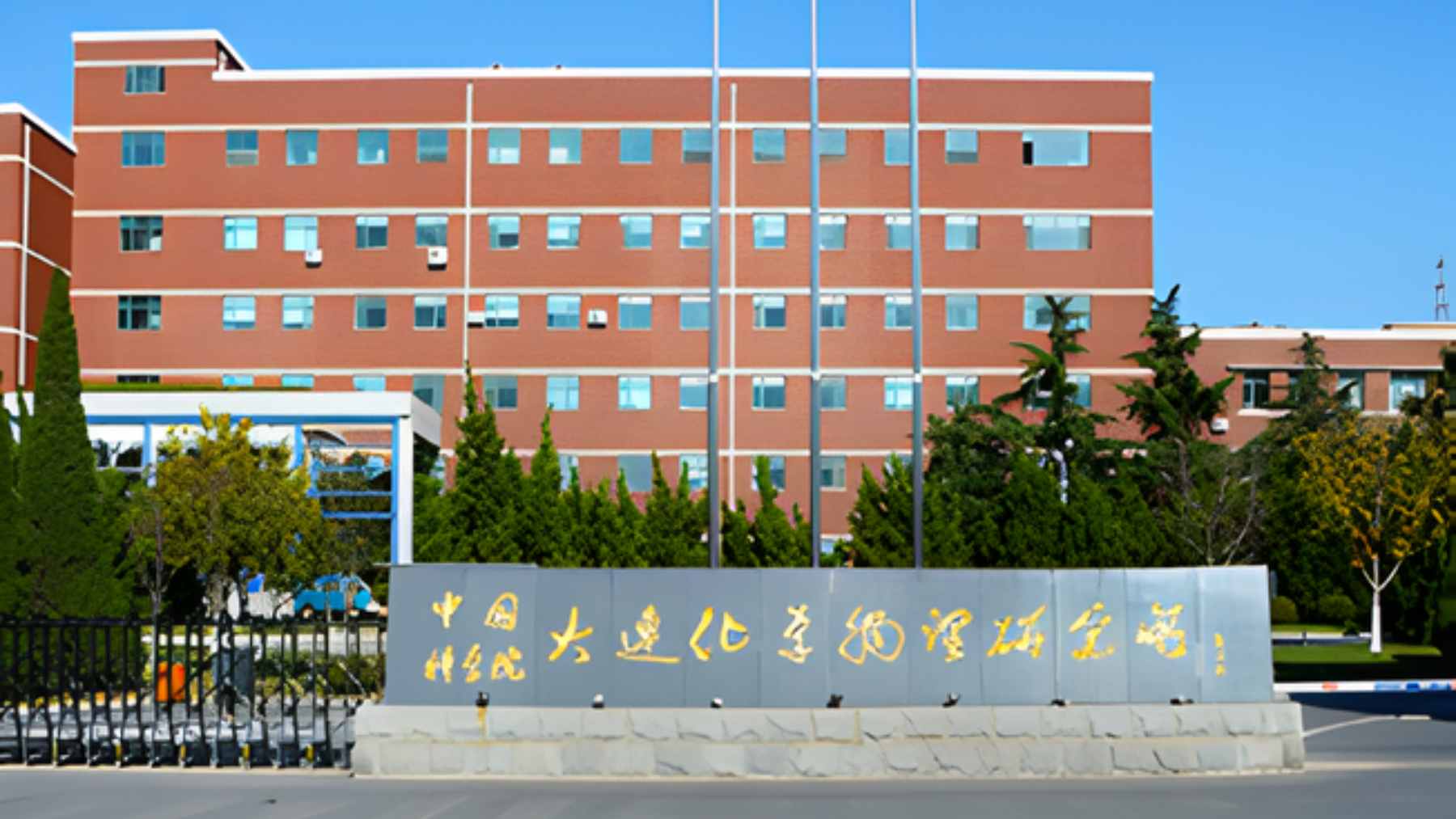
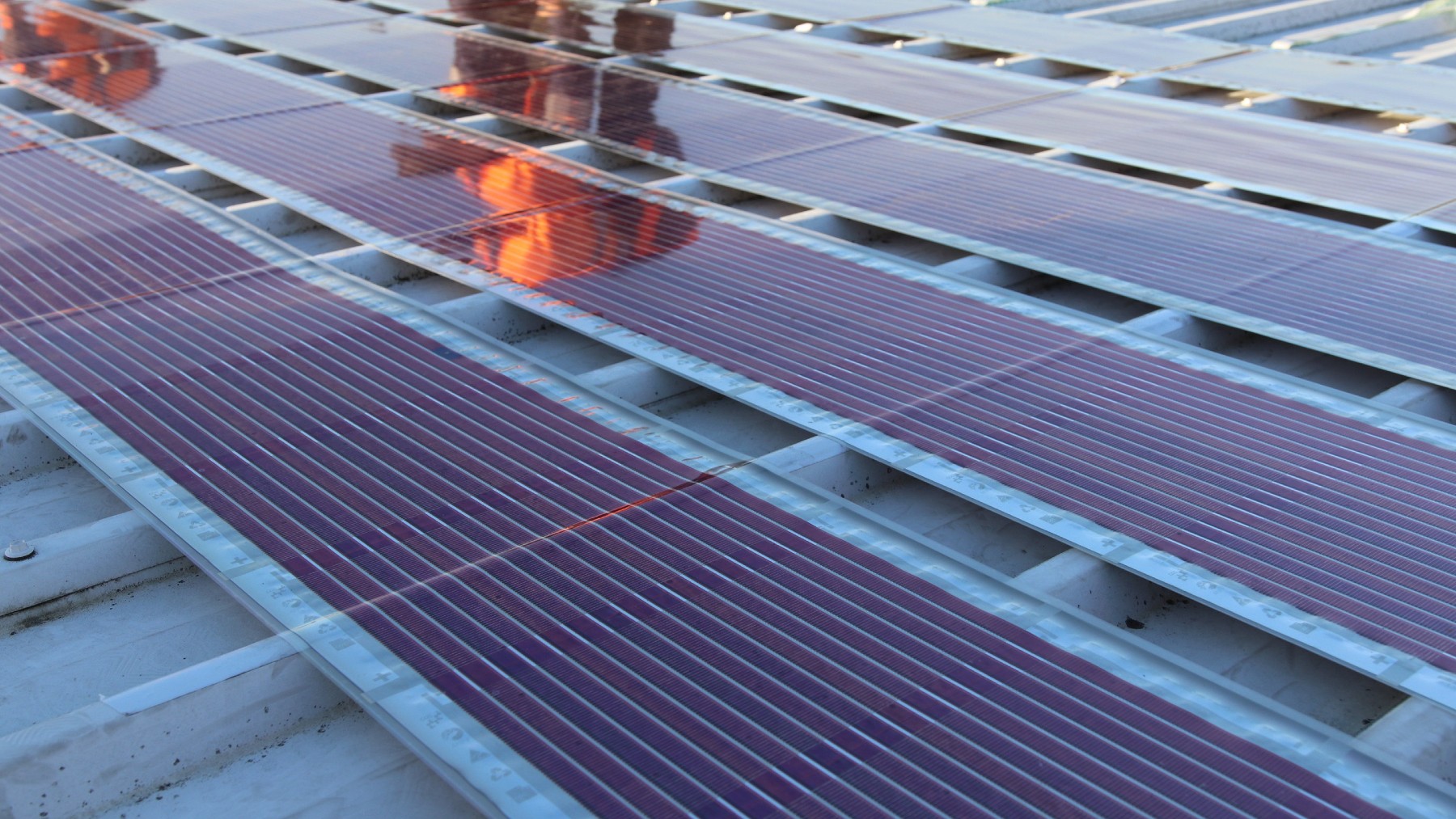
A group of scientists at the City University of Hong Kong (CityUHK) has succeeded in mass-printing highly efficient and stable solar cells like newspapers. They have developed highly efficient, printable and stable perovskite solar cells. This is a considerable step towards the global sustainability goals.
These solar cells can be mass-produced at a rate similar to that of newspaper printing. This makes a daily output of up to 1,000 solar panels possible. The research team, led by Professor Alex Jen Kwan-yue, has shown the world an optimal strategy for improving the long-term stability of perovskite-organic tandem solar cells.
These are integrated cells that retain more than 90% of their initial power conversion efficiency (PCE) after 500 hours of operation. An outstanding feature of these new solar cells is their flexibility and semi-transparency, which allows them to be used in light-absorbing glass windows. In this way, the concept of ‘urban solar farms’ in cities with many tall buildings is taking shape.
America trembles at China’s solar panel breakthrough
The challenge that has accompanied broadband perovskites for more than a decade is their operational stability. Under these circumstances, experts proposed revolutionary solutions in materials science. They designed various organic redox mediators with appropriate chemical potentials to selectively lower iodine and oxidise metals.
Dr Wu Shengfan, first author of the paper, highlighted the fact that this was the first group to propose the use of chemical synthesis and redox systems to solve the stability problem. The results of the research will be turned into practical applications through the start-up company HKTech Solar Limited, which will be managed by Dr Francis Lin, a postdoctoral student of Professor Jen at CityUHK.
The team’s plans also include setting up a pilot production line with an annual output of 25 megawatts Hong Kong in a year and a half, and launching products for industry, seeking investors willing to test applications. In short, China is printing solar panels like newspapers. This is bad news for America, which wants to increase production of silicon solar panels. With these plans on the table, it will have more competition.