UBTECH Robotics has completed a major share placement in Hong Kong, bringing in about HK$3.06 billion in net proceeds, or roughly $389 million to $394 million once converted into U.S. dollars. The company says the new money is meant to support expansion in a fast-moving robotics market where scale matters.
The timing is hard to miss. While investors digest the fundraising, a separate headline has also been making the rounds after the South China Morning Post reported a contract tied to China-Vietnam border crossings, where humanoid robots would help with guidance, inspections, and logistics. Could that kind of real-world deployment change how people value a robotics company?
A placement that is already done
In a completion notice posted to the Hong Kong exchange, the board said the placement closed on December 2, 2025, after selling 31,468,000 new H shares at HK$98.80 each. The notice said the shares were placed with at least six investors and none became a major shareholder.
The share sale was arranged by Guotai Junan Securities (Hong Kong) Limited, CLSA Limited, and TradeGo Markets Limited acting as placing agents. The company said the shares were issued under a general mandate and within the limits set by the Listing Rules, meaning it did not need another shareholder vote for this round of fundraising.
The numbers behind the deal
At the placing price of HK$98.80, the company estimated gross proceeds of HK$3.11 billion and net proceeds of about HK$3.06 billion, after fees and expenses.
The company said the price represented an 11.39% discount to the prior closing price and an 18.56% discount to the average closing price over the previous five trading days in its November 25, 2025, announcement.
To translate the proceeds into U.S. dollars, the Hong Kong Monetary Authority runs a linked exchange rate system that keeps the Hong Kong dollar in a narrow band against the U.S. dollar. That band is HK$7.75 to HK$7.85 for one U.S. dollar.
Using that band, the net proceeds of HK$3.06 billion work out to roughly $389 million to $394 million. The placing price itself comes out to about $12.60 to $12.75 per share, which helps U.S. readers sense the scale.
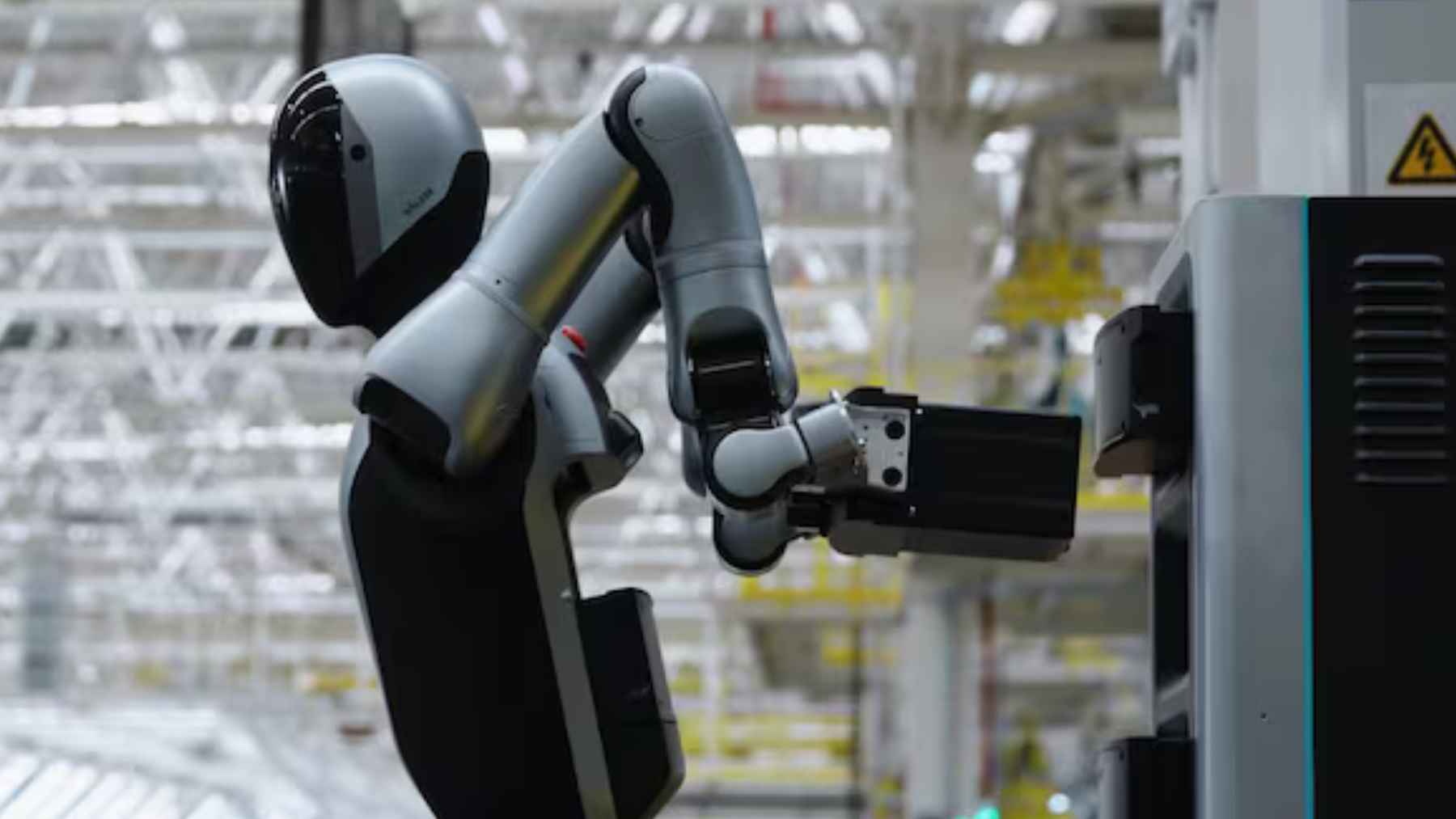
A UBTech humanoid robot is shown in operation as part of testing for inspection and border control support between China and Vietnam.
Why the money matters
UBTech told investors it plans to use about three-quarters of the net proceeds over the next two years to invest in or acquire companies up and down its supply chain, or to establish joint ventures.
The company said it had not identified specific targets as of the announcement date, a detail that signals flexibility rather than a single pre-announced deal.
Another 15% is earmarked for business operations and development, including working capital and project construction or renovation, while 10% is slated to repay amounts due under credit facilities.
That split is common for growth companies, but it also underlines how expensive robotics can be, especially when you factor in research and development and the hardware behind real deployments.
The filing also includes a standard reminder that the shares are not registered in the United States under the Securities Act of 1933. For most readers, it sounds like legal boilerplate, but it affects who can buy the new shares and where marketing can happen.
Robots at the China-Vietnam border
Why mention border control in a fundraising story? Because where robots actually go to work can influence how investors think about the business, and that pulls the story into the future of work.
In a report published on November 25, 2025, the South China Morning Post said UBTech had won a 264 million yuan contract, about $37 million, tied to a robotics center in Fangchenggang near Vietnam.
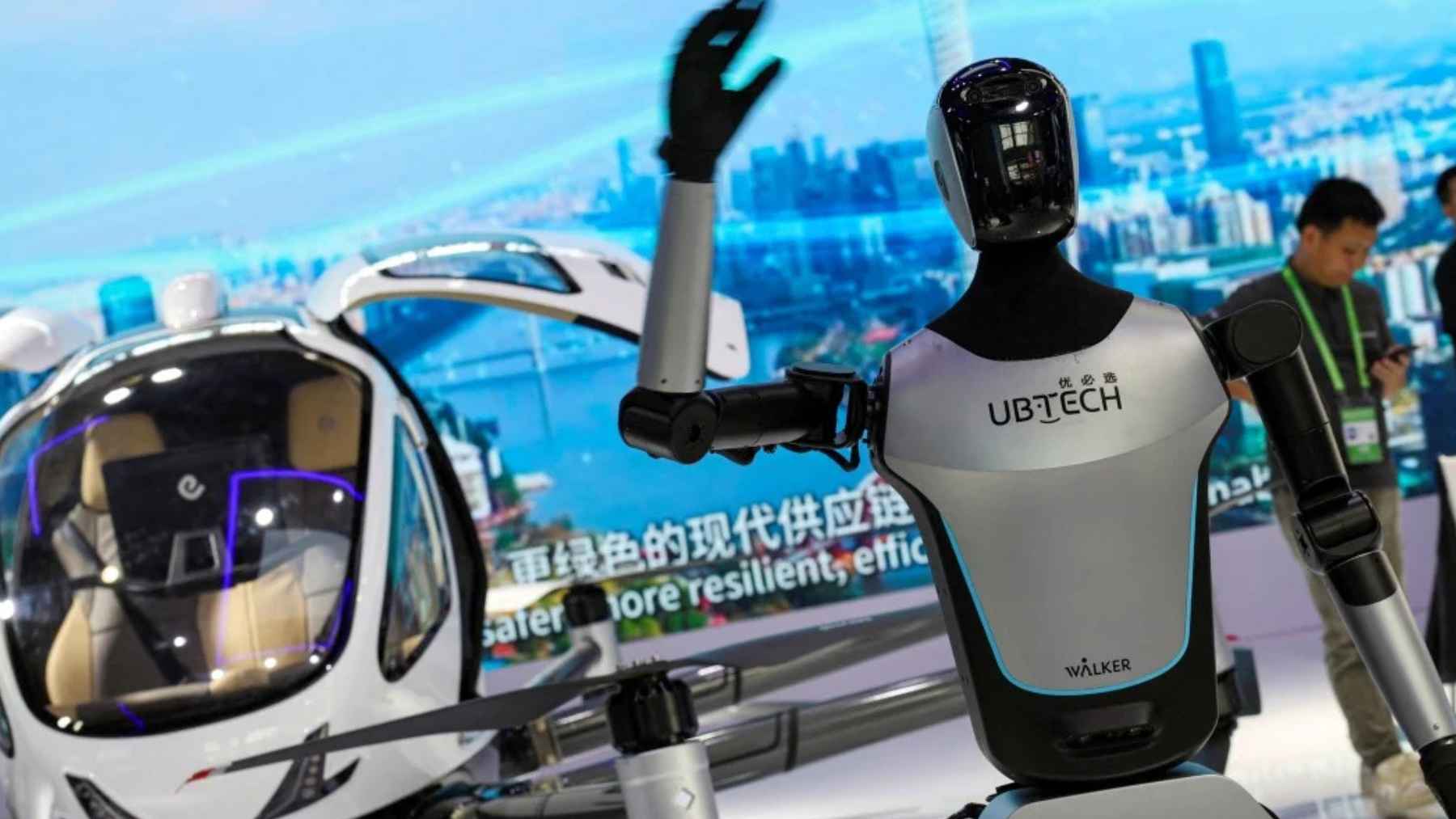
The report said the industrial-grade model is the Walker S2, launched in July 2025 and marketed as able to replace its own battery for extended operation. It also pointed to potential uses beyond border posts, including inspections in heavy industry.
UBTech’s branding chief Michael Tam told the outlet the company expects to deliver 500 units between then and the end of 2025, and to scale production significantly in 2026, with a longer-term goal of 10,000 units shipped by 2027. It is a big ramp, and it only works if the robots hold up outside the lab.
Why investors care about hardware
Humanoid robots are still a young market, and plenty of online clips show stunts that look more like entertainment than business.
But real deployments shift the focus to reliability, safety, and support, the kind of day-to-day performance that decides whether customers renew contracts and whether humanoid robots become normal in public-facing work.
That is also why repeated fundraising can draw attention. UBTech disclosed several other H share placings over the prior 12-month period, raising net proceeds that ranged from about HK$121.85 million, roughly $15 million to $16 million, up to about HK$2.41 billion, roughly $307 million to $311 million, depending on the exchange rate used.
In practical terms, that is one reason investors pay attention to features that sound mundane compared with flashy demos.
Battery swapping, supply chain integration, and the ability to scale production like other automation plays are the nuts and bolts, not unlike what you see in robotic factories that are designed to keep machines moving when people would normally need a break.
The announcement has been published by Hong Kong Exchanges and Clearing Limited.