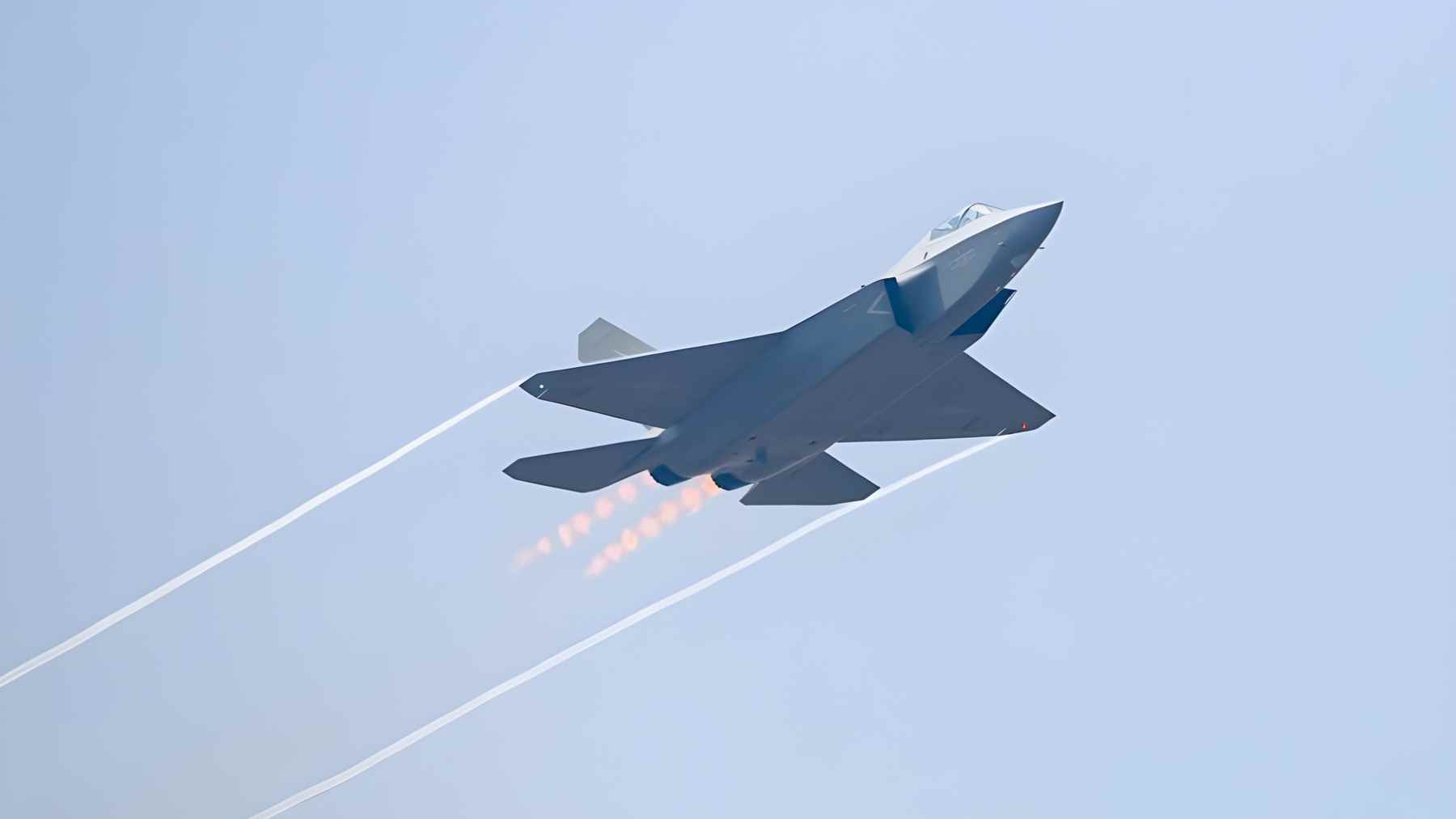
China’s newest stealth fighter has just cleared flight tests, and most coverage focuses on how it reshapes the balance of power in the Pacific. Yet every new J-35 that leaves the factory also locks in decades of fuel burn and heat-trapping emissions.
At a time when scientists say global emissions must fall before mid-century to keep warming in check, a fighter fleet designed to operate into the 2050s raises uncomfortable climate questions.
From factory floor to flight deck
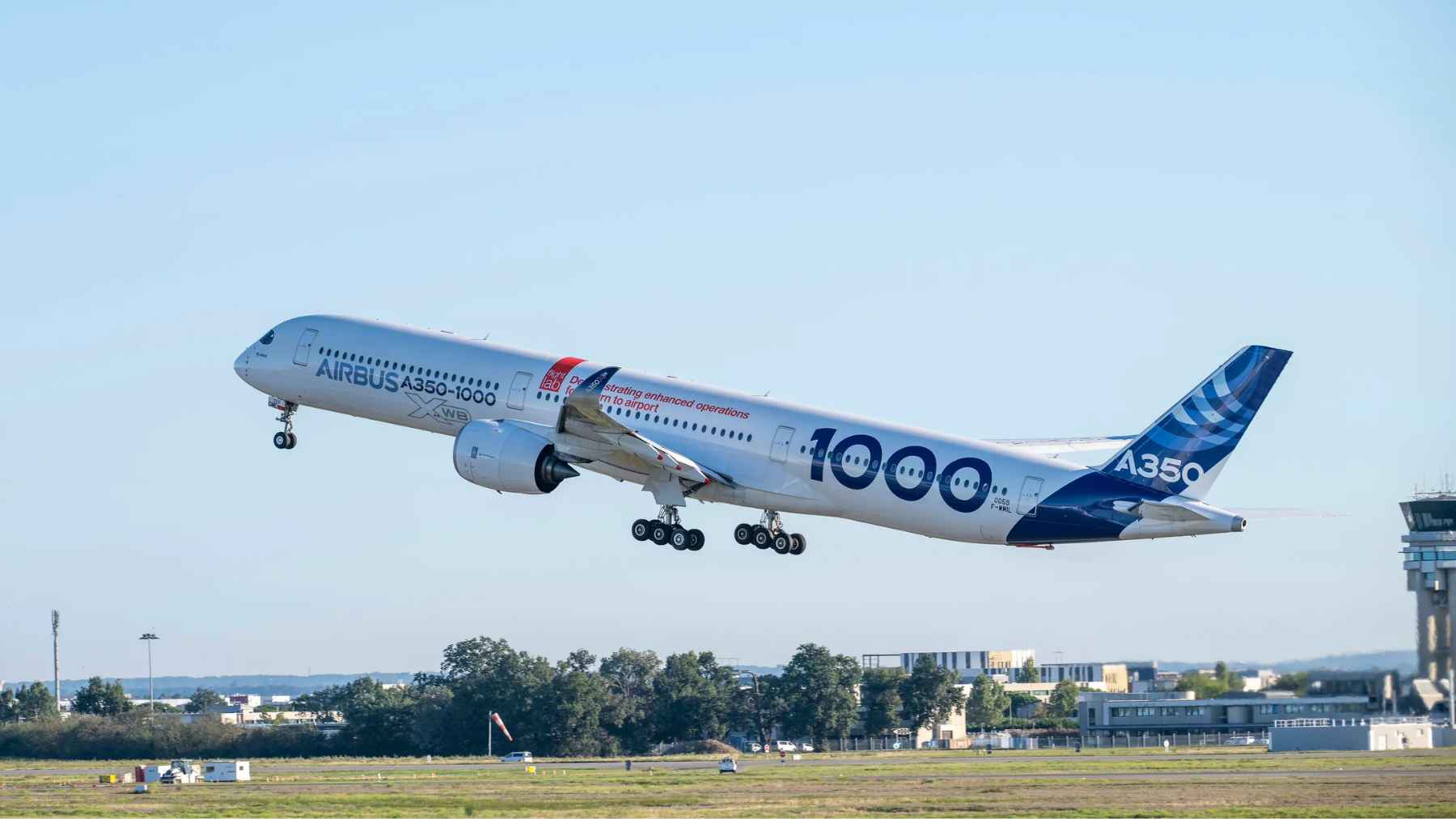
In early 2026, Shenyang Aircraft Corporation completed acceptance flights for two versions of the aircraft, a land-based J-35A for the Chinese Air Force and a carrier-compatible J-35B with a twin wheel nose gear for the electromagnetic catapults on the new Fujian carrier.
The design grew out of the older FC 31 prototype and is expected to replace J 15T carrier fighters and J 10C land based jets, staying in service into the 2040s and likely beyond.
On paper this is a story about range, stealth coatings and launch bars. From a climate point of view it is mostly a story about fuel. Exact figures for the J 35 are not public, but comparable stealth fighters such as the F 35 can burn more than 1,000 gallons of jet fuel per hour. One calculation suggests an F 35 can emit about 28,000 pounds of carbon dioxide in a single hour, more than many family cars produce in a year of commuting.
Carriers, fuel and a bigger footprint
China has already built dozens of J 35s and is expected to keep expanding the fleet, with aircraft flying training sorties, patrols and carrier operations from ships like Fujian.
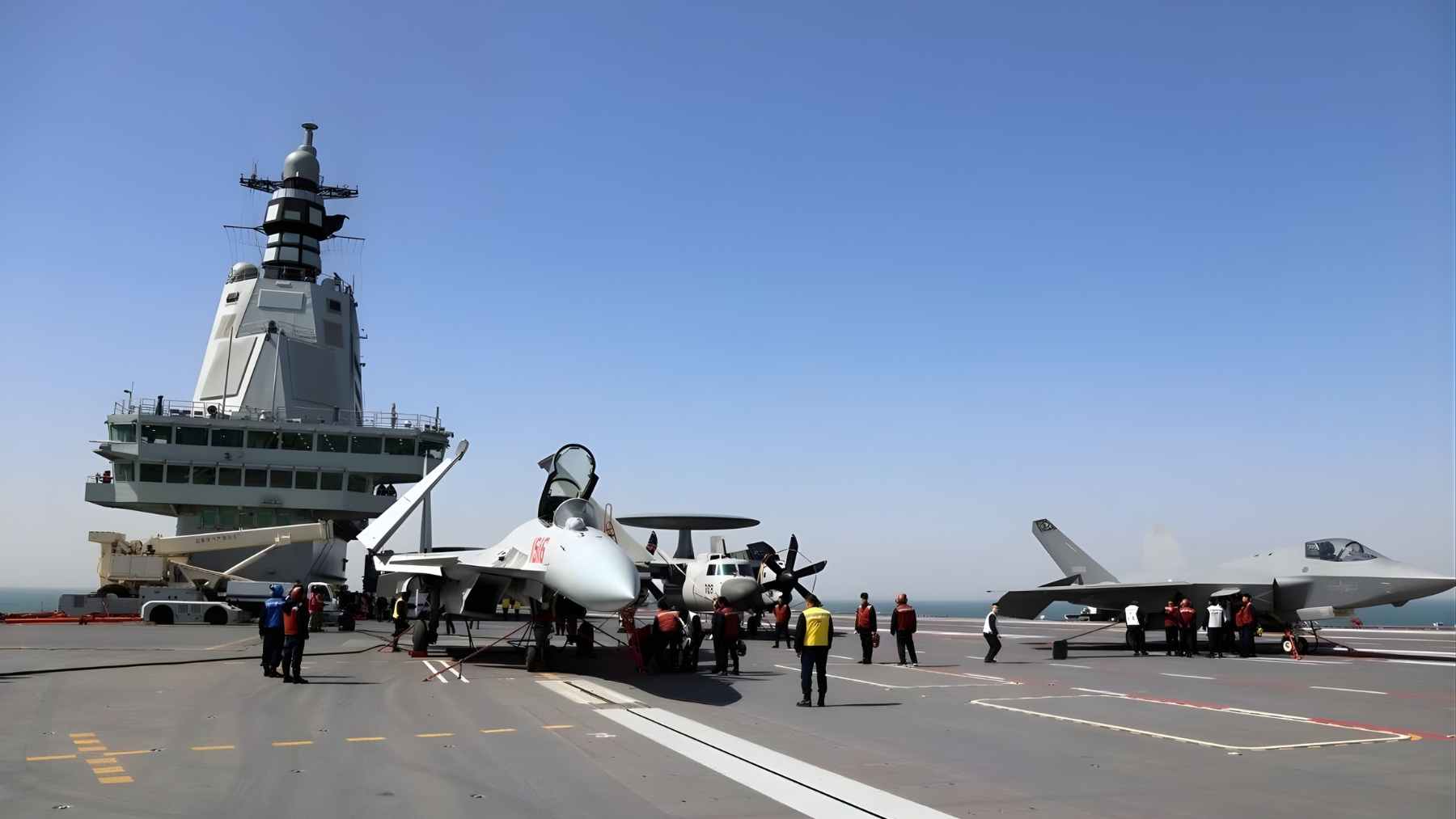
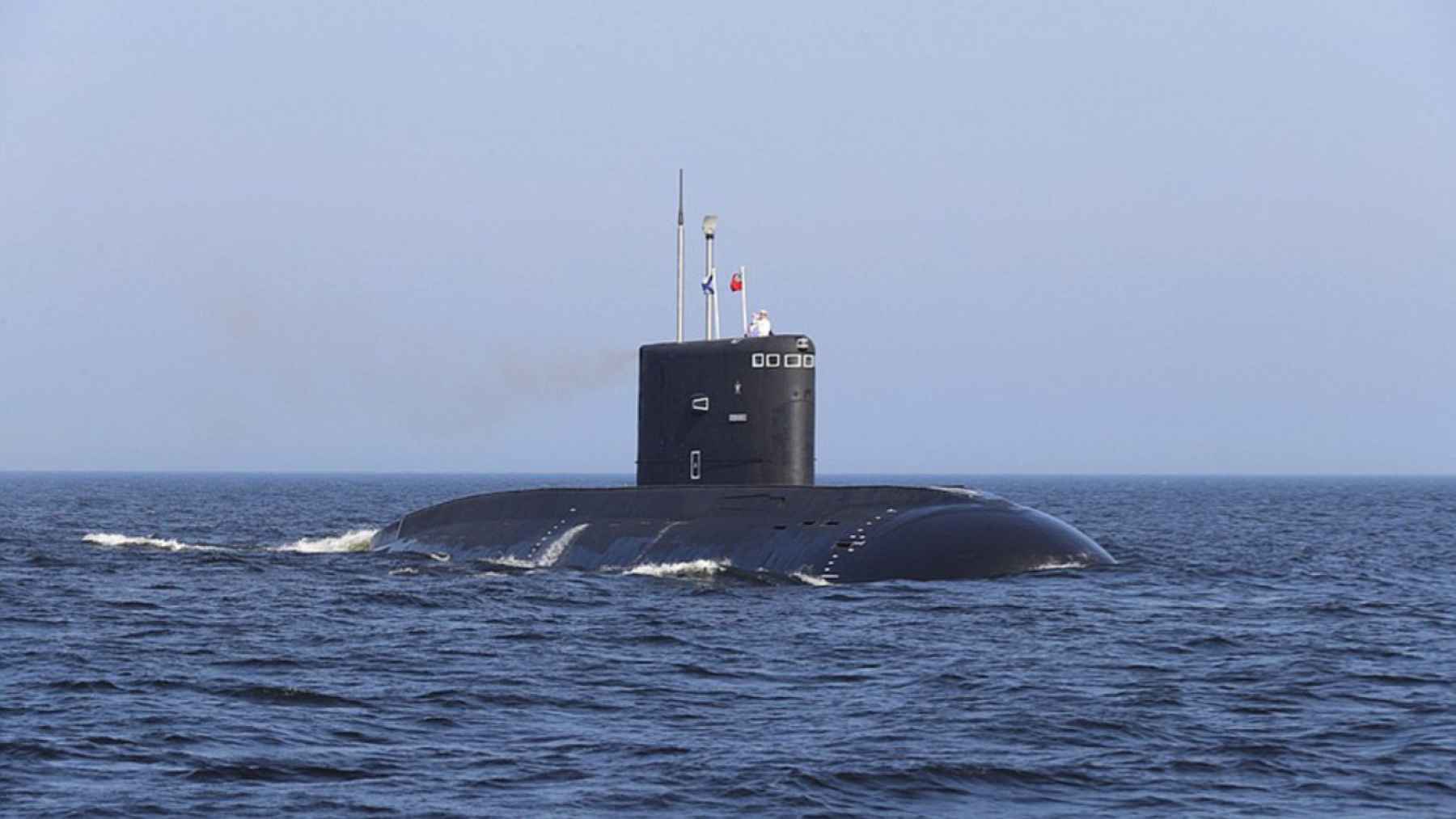
Fujian, the first Chinese carrier with electromagnetic catapults, is a conventionally-powered ship that relies on steam turbines and diesel generators, so refueling for the carrier and its escorts adds another layer of emissions on top of the jets in the air.
Researchers who try to total up the climate impact of armed forces say that the problem goes far beyond one aircraft model. A joint study by Scientists for Global Responsibility and the Conflict and Environment Observatory estimated that military activity worldwide accounts for roughly 5.5 percent of global greenhouse gas emissions, a footprint larger than civil aviation or shipping. Often those emissions sit outside national climate targets and formal reporting.
New data suggest that when countries boost their defense budgets, emissions tend to climb. One review found that each percentage point increase in military spending is linked with a rise in total emissions that can be close to two percent.
China is not alone in this trend, but its decision to field a second stealth fighter family alongside the older J 20 illustrates how fast high-carbon hardware is being added to the global inventory.
Military emissions that stay off the books
Can a fighter like the J 35 ever be climate friendly? Probably not in the usual sense. Engineers can seek more efficient engines and smoother flight paths. Militaries can shift some pilot training into simulators, trim non-essential flying and try sustainable aviation fuels. Yet as long as the core mission is to project power at high speed, heavy fuel use is built into the design. That is hard to square with climate goals.
For climate policy the deeper question is political. Should future climate agreements explicitly count and cap military emissions? Many activists and an increasing number of researchers argue that leaving the sector off the books creates a loophole that undermines efforts to keep warming in check.
Those long-running fighter programs tug against the clean energy plans that are supposed to reshape our power grids and lower our electric bills.
The climate questions no one asks in the hangar
As the J 35 completes its test flights and moves into front-line service, it will be praised at home for boosting national security and criticized abroad as a symbol of rising tensions. What tends to drop out of the conversation is the steady plume of exhaust that follows each sortie and each carrier deployment. That invisible trail matters for the climate story too.
The study on global military emissions was published on CEOBS.