What if every big gold nugget began with a tiny electric jolt in the rock beneath our feet? A new peer reviewed study in Nature Geoscience suggests that earthquakes can charge up quartz rich veins, creating small electric fields that pull dissolved gold out of hot fluids and help it build into solid metal. The work gives geologists a fresh explanation for the tight partnership between quartz and gold and for those rare nuggets that still fuel modern gold rush dreams.
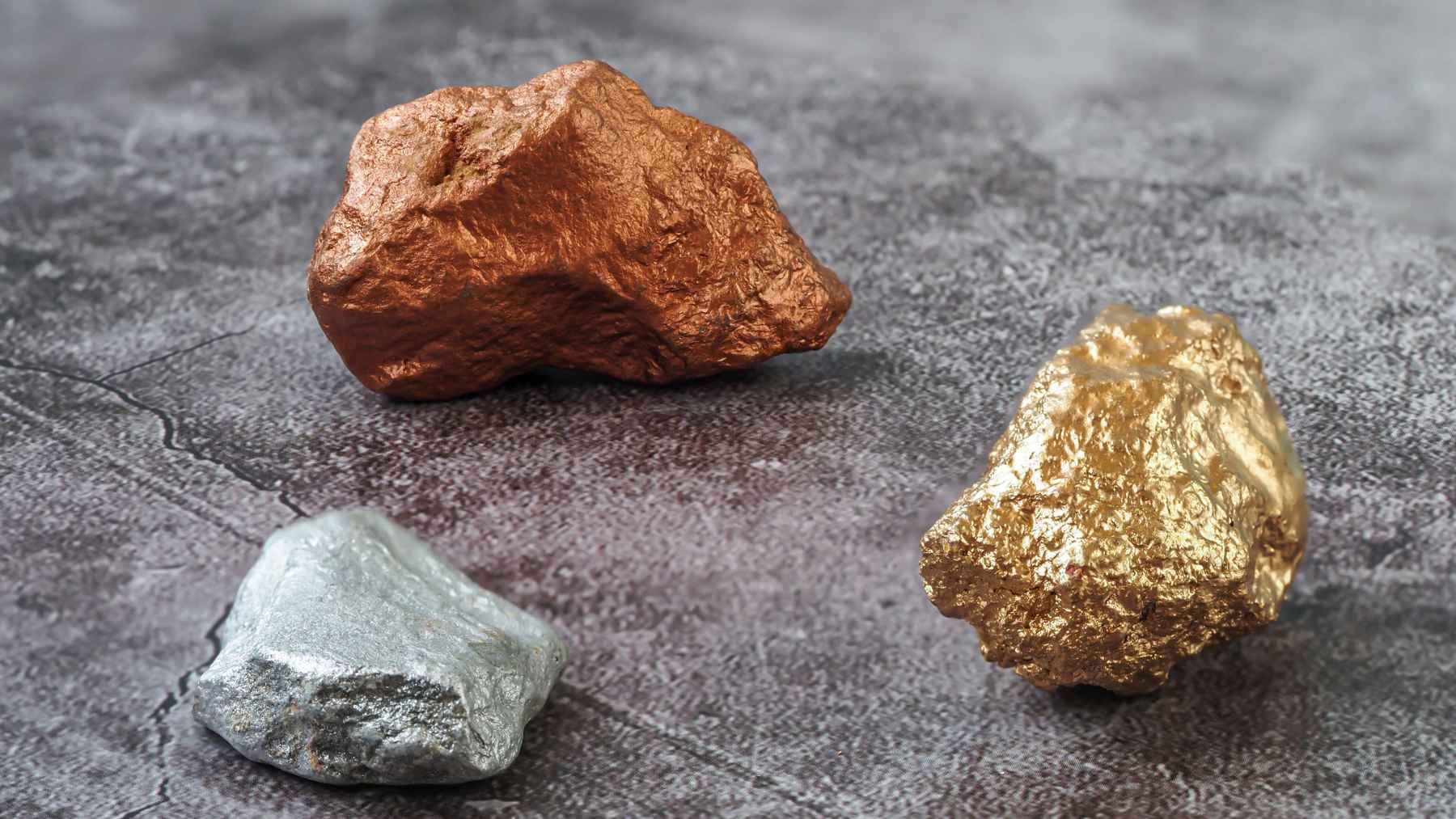
For decades, scientists have known that many gold deposits formed when mineral rich fluids moved through fractures in the crust during mountain building events known as orogenies. These fluids usually carry only trace amounts of metal, often less than one milligram of gold in a kilogram of water, yet some outcrops hold nuggets big enough to fill a hand. So how do you go from a whisper of gold in water to a solid chunk in rock?
Quartz, earthquakes and a long standing mystery
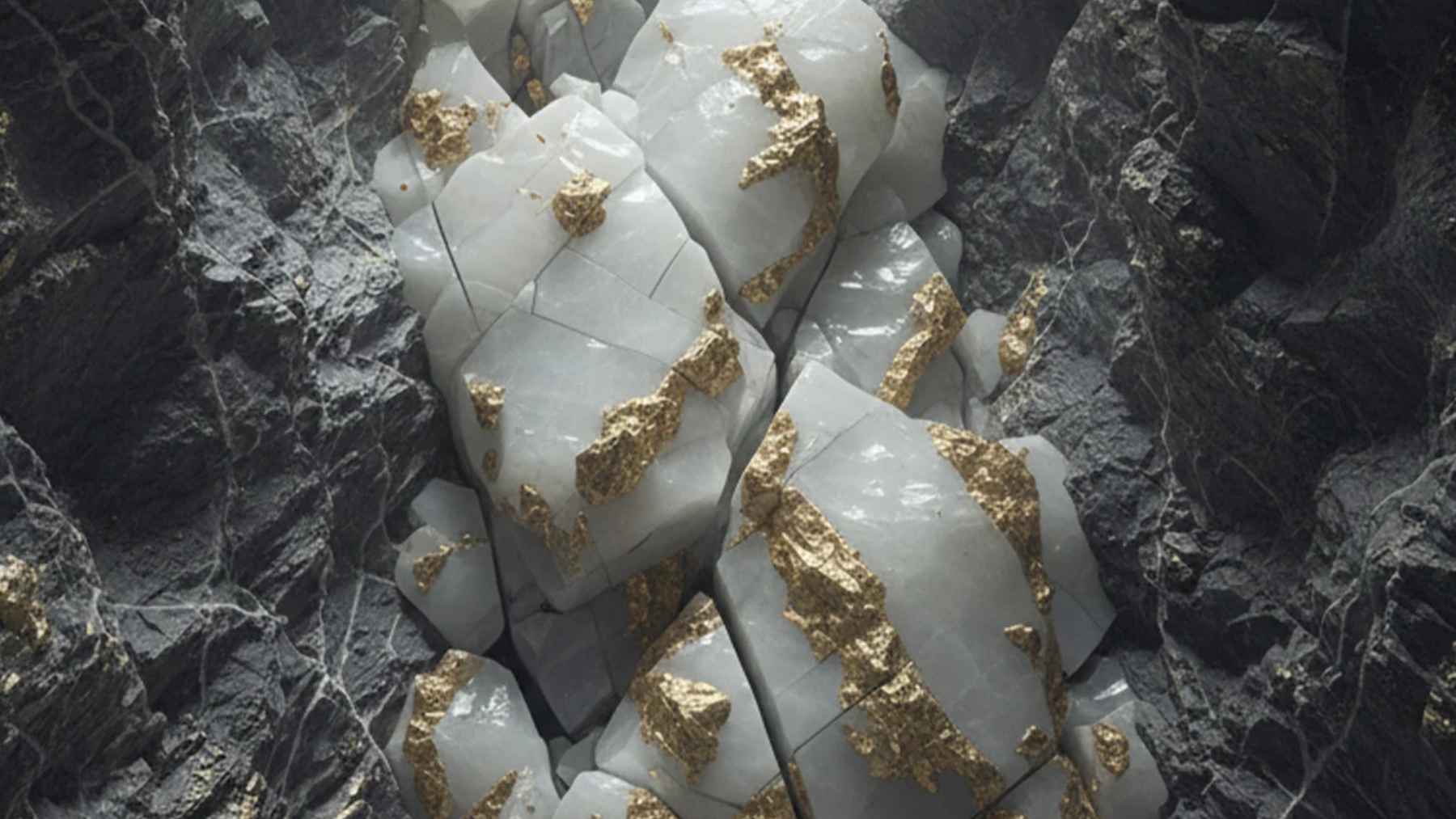
Part of the puzzle is quartz. It is chemically stubborn, so it does not easily react with those hydrothermal fluids. At the same time, quartz veins and visible gold often show up together in orogenic gold deposits from Canada to Australia, in regions that have endured countless earthquakes as tectonic plates collided and faults repeatedly opened and sealed. That overlap has bothered economic geologists for years.
Quartz also hides a useful physical trick. It is the only common mineral in Earth’s crust that is strongly piezoelectric, meaning it produces an electric charge when squeezed. In an active fault zone, each passing seismic wave flexes crystals in the veins again and again, briefly building up voltage inside the rock. The new study set out to test whether that electricity could be strong enough to move gold.
Lab made tremors that grow gold
Researchers from Monash University and partner institutions ran deformation experiments on quartz crystals immersed in a fluid that contained dissolved gold, then used numerical models to scale their results to real veins. By squeezing and shaking the crystals to mimic rapid stress changes during an earthquake, they estimated the electric fields that piezoelectric quartz can generate inside the crust.
They found that stress on quartz can produce enough voltage to trigger electrochemical reactions. Under those conditions, gold leaves the fluid and settles as tiny nanoparticles on the crystal surface. Because quartz itself is an electrical insulator, that first nucleation step is slow and becomes the rate limiting stage. Once a thin film of metal forms, however, it behaves like a tiny wire. As the authors explain, dissolved gold tends to accumulate on preexisting grains, turning early specks into preferred growth hubs during later earthquakes.
From nano specks to palm sized nuggets
Out in real mountain belts, faults do not rupture only once. They can slip thousands of times over long periods as plates grind past each other. Each event opens fractures a little more, lets in another pulse of hot fluid and flexes the quartz all over again. In practical terms, every earthquake becomes a chance to add another microscopic layer of gold onto grains that are already there.
Over many cycles, those grains can connect into dense networks that line cracks in the rock. The Nature Geoscience study reports that piezoelectric deposition can reproduce the highly interconnected webs of gold seen in natural quartz vein samples. To a large extent, the glittering nuggets displayed in museums or pulled from river gravels are the frozen record of repeated seismic stress in ancient mountain chains, not the result of a single lucky surge of fluid.
No instant treasure map, but a warning about slow gold
If you are picturing a lab machine that turns water into treasure, the researchers are quick to cool that idea. They stress that this is not alchemy. You still need gold dissolved in the fluid and the right conditions for it to stick to a surface. The mechanism explains where metal ends up inside stressed rocks, yet it does not conjure gold out of nothing and it does not give prospectors a simple new way to locate rich veins.
Even so, the study has real world implications for how we think about gold in an environmental context. Concentrating enough metal to make a single wedding ring can create many tons of waste rock and tailings, along with toxic chemicals that threaten rivers and groundwater. Gold mining is often listed among the most damaging extractive industries, especially when cyanide or mercury are used to process ore or when tailings dams fail and release polluted sludge into surrounding ecosystems.
By showing that large nuggets may depend on thousands of earthquakes and long lived hydrothermal systems, the new work reinforces a simple idea. On human time scales, gold is essentially non renewable. That makes recycling jewelry and electronic waste, and tightening standards around new mines, an important part of any serious sustainability agenda.
The study was published on Nature Geoscience.