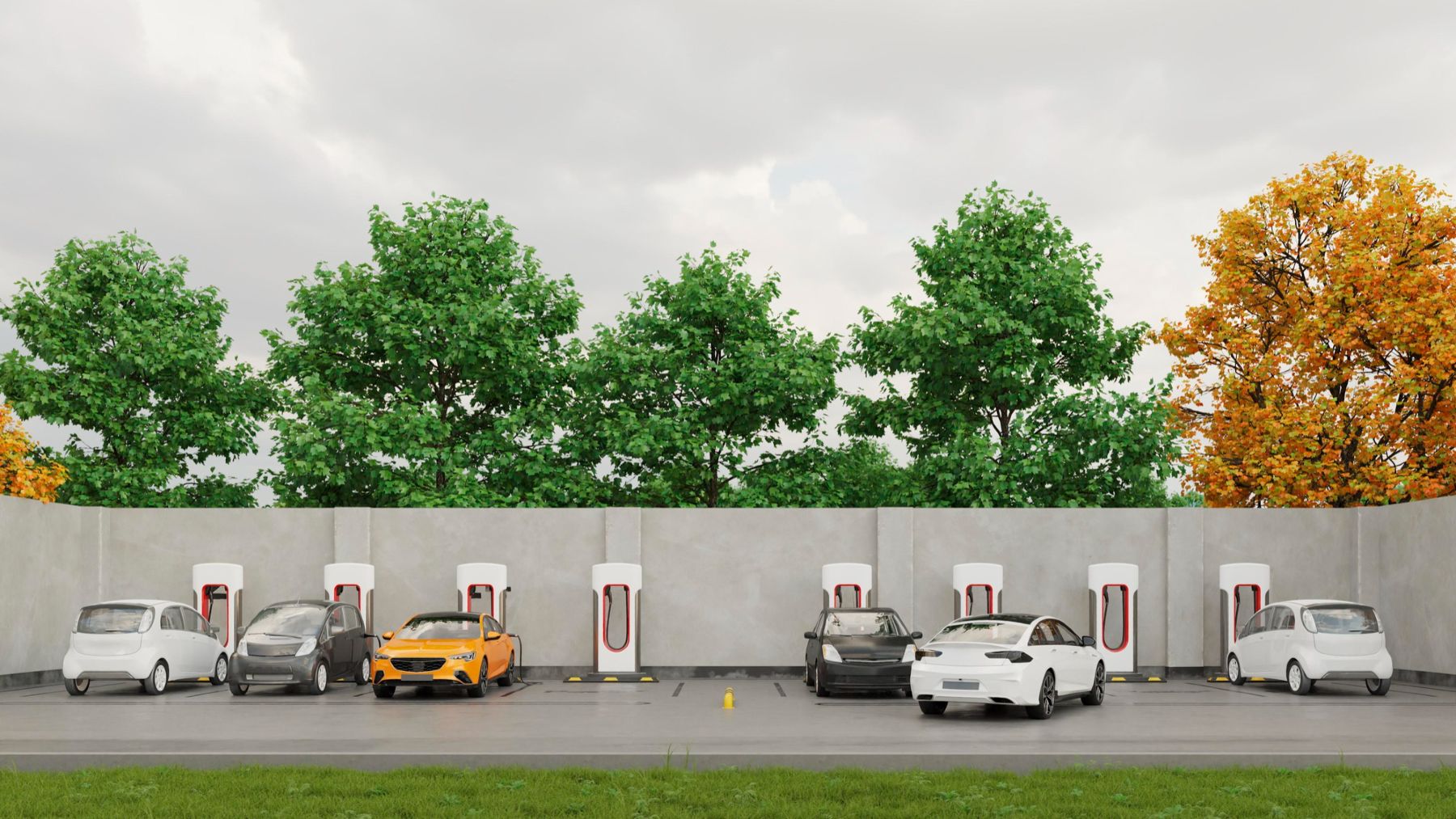
Electric cars in the US seemed to be taking off when the pandemic hit the brakes unexpectedly. Then the rise of Tesla was the necessary and definitive boost, but now it has slowed down again. What is happening to make it so? We want to analyze the trend that is worrying not only America, but also most of the West (and rightly so, as the situation is serious).
Electric cars in the US show a worrying trend: what’s happening
Electric vehicle (EV) sales have been a bright spot in the US auto market for years, showing strong growth even during down periods for gas-powered vehicles. However, recent data shows that EV sales growth is slowing significantly.
In 2022, total EV registrations were up just 25% compared to 2021 – a steep drop from the nearly 100% year-over-year growth seen in recent years. This reversal has raised concerns across the auto and energy industries.
After heavily investing in an electrified future, automakers are now left wondering if consumer appetite for EVs is waning. Meanwhile, power companies that prepared for increased electrical demand from EVs are recalibrating their forecasts.
Understanding the causes behind the declining EV sales growth is critical. How much is due to macroeconomic factors versus challenges unique to the EV sector? Do consumers need more incentive to go electric, or are they hesitating for other reasons?
Sales data increasingly decelerating: on the verge of slowing down
According to registration data, electric vehicle sales growth in the US has slowed significantly in 2022 compared to the previous year. In 2021, EV sales jumped 81% compared to 2020.
However, through the first half of 2022, EV sales were only up around 25% from the same period last year. This indicates a major slowdown in growth. Some key states that have seen drops in EV sales growth include California, the largest EV market, where registrations were down over 15% in the first quarter of 2022 versus 2021.
New York and Florida also saw declines of over 25% in EV sales growth in early 2022. Leading EV brands like Tesla and Ford saw sales growth slow to just 10-15% in early 2022, after increases of over 50% in 2021.
Industry experts cite various factors causing this decline in momentum, including supply chain issues, rising vehicle prices, and cuts to EV tax credits. After a period of exponential growth, the US EV market appears to be hitting some speed bumps in 2022.
Biden has decided to give in: emissions standards are on the floor nationwide
The Biden administration recently relaxed vehicle emissions standards that were initially set to rise each year between 2023 and 2026. This decision comes after extensive lobbying from automakers who argued the stricter standards were unrealistic given current economic conditions and EV sales trends.
Under the revised rule, automakers will be required to raise average fleetwide fuel economy by 8% annually for model years 2024-2026, a notable decrease from the previous target of roughly 5% annual increases.
Environmental groups have voiced concerns that this relaxation of standards will slow progress in reducing transportation emissions, which make up the largest share of U.S. greenhouse gas emissions.
The transportation sector also produces significant amounts of other air pollutants like particulate matter, nitrogen oxides, and volatile organic compounds – all of which have negative impacts on public health.
By giving automakers more flexibilty, the Biden administration aims to balance environmental goals with economic realities facing the auto industry. However, critics argue this short-term thinking discounts the immense long-term benefits of transitioning away from gas-powered vehicles.
It is clear that electric cars in the US are not going to expand on our roads on their own. What do we mean by this? It’s true that consumers are increasingly committed to the mobility of the future, but we can’t ignore the demands of the major manufacturers either. Banning subsidies for Chinese brands, expanding innovation in hydrogen and solid-state batteries or increasing public subsidies for their purchase are just a few proposals.