Tesla continues its pace toward groundbreaking lithium refining facilities on the Gulf Coast-the major move in electric vehicle (EV) battery production. It could change the global lithium supply chain with newly innovative refining methods as well as promises for creating jobs. However, the venture also has serious problems, especially in relation to environmental sustainability and local water use.
First lithium-to-battery production facility in North America takes off
Tesla proposed its lithium refinery for either Texas or Louisiana; and, according to the company, it would be revolutionary to EV production. It would be the first in North America to transform raw ore to lithium hydroxide suitable for making lithium-ion batteries.
Such efforts are directly part of the long-term game plan of Tesla in overcoming supply bottlenecks to hasten the switch to electric mobility. Central to that is an innovative refining process introduced by Tesla in 2020’s Battery Day event.
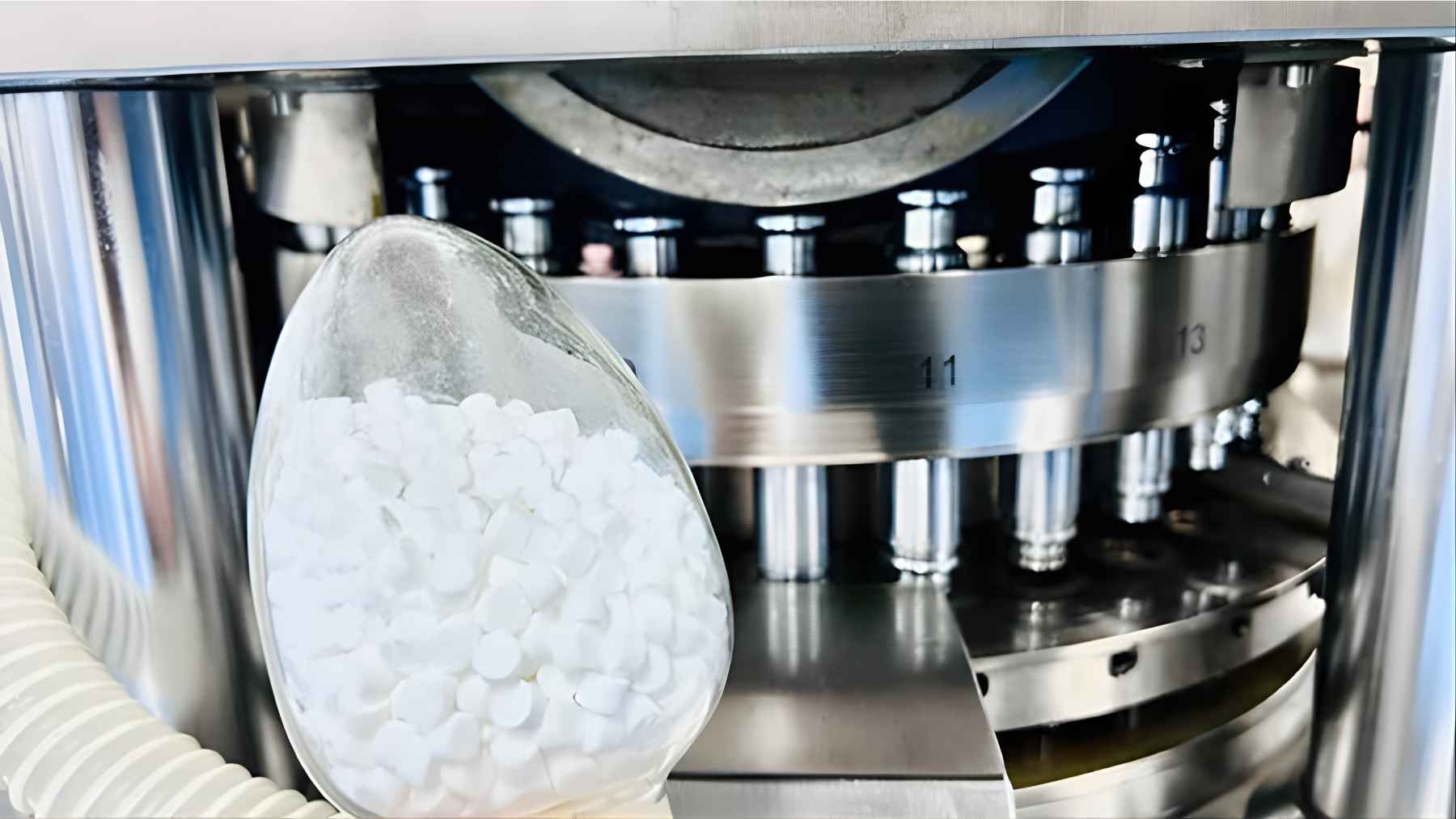
Instead, it uses sodium chloride (table salt) for when lithium is taken out, rather than environmental-polluting acid leaching usually used in lithium extractions. That patented technique avoids toxic byproducts and allows higher recoveries.
The refinery would be able to keep Tesla’s battery production sites loaded with lithium thereby tightening the supply chain and minimizing dependence on foreign supplies. Construction activities have been put in place in 2023 and commercial production is thus envisaged to begin before the year 2024 ends. Musk has literally put forth the need to increase lithium refining as a “license to print money” several times during Tesla’s Q2 2022 earnings call.
Drought and industry concur: Water supply backlash on Tesla refinery
While it promises much in the way of technology, Tesla’s refinery has raised alarms over water consumption. Situated in Corpus Christi, Texas-a region notoriously short on rainfall-the refinery may require as much as 8 million gallons-a-hill at peak production.
This volume far exceeds the average for residential water use in the area and thus has residents worried. To put it in perspective, the Environmental Protection Agency says the average American family uses approximately 300 gallons of water every day.
Comparatively, Tesla’s refinery alone could use eight times as much water as Robstown, a neighboring town with over 3,800 households has for daily domestic water consumption. Local communities are already struggling with water shortages.
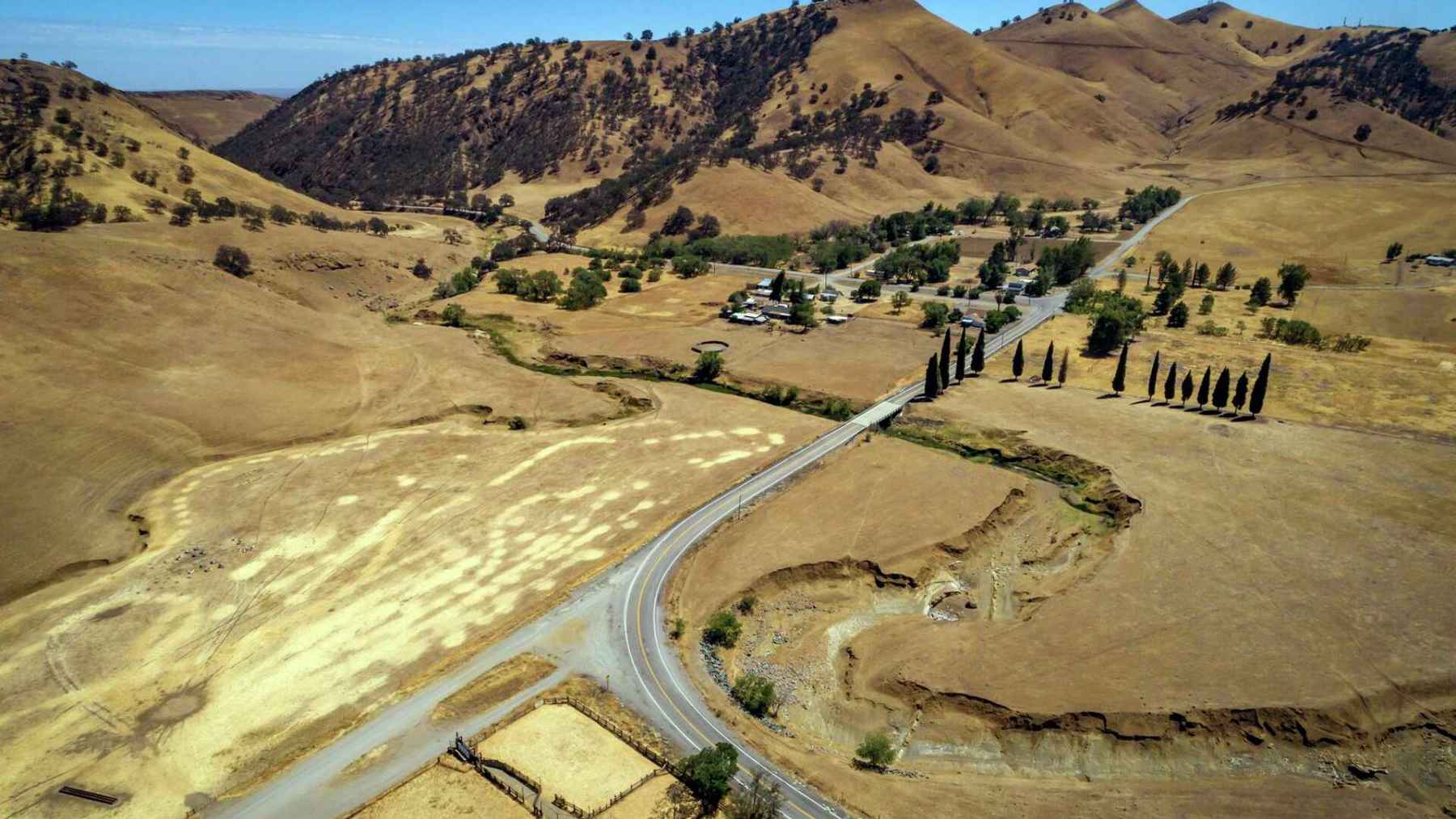
The drought status of the area was recently raised to level three, or urgent, and restrictions on non-essential water use have been imposed. One of such residents is Marie Lucio, living near the refinery site and who fears that the old water infrastructure is not enough to cater to the increased demand.
We are not equipped to handle getting water to these industries,” she said, alluding to concerns of quality as being able to meet the supply. Besides, Tesla is still waiting to seal the water contract. Negotiations were still on with Nueces Water Supply Corporation, while the steps have taken by South Texas Water Authority to facilitate the agreement. Even so, construction is already going on without a formal water deal, a typical action in the Elon Musk “build first, ask questions later” approach.
Tesla refinery: Flourishing from affluence with callous eyes towards ecological constraints
Despite environmental concerns, the refinery of Tesla promises economic advantages. It will create a permanent job of about 250 with an average salary of $80,000, which is almost double the median income in Nueces County, thus uplifting an underdeveloped area.
Local authorities have provided tax abatement and tax increment reinvestment zone to draw investment to the region. However, critics cite excessive water usage in a drought-prone region, as well as lack of oversight in the area where it is located: unincorporated.
Tesla’s lithium refinery underscores the difficulty of moving forward in electrified vehicle infrastructure amid limited resources. On one hand, it generates strong economic growth and innovation, but on the other hand, sustainability and social impacts are still an issue. Now as production initiates, one needs to balance innovation with environmental responsibility by Tesla, which might become a model for sustainable domestic lithium supply chain production in the future.