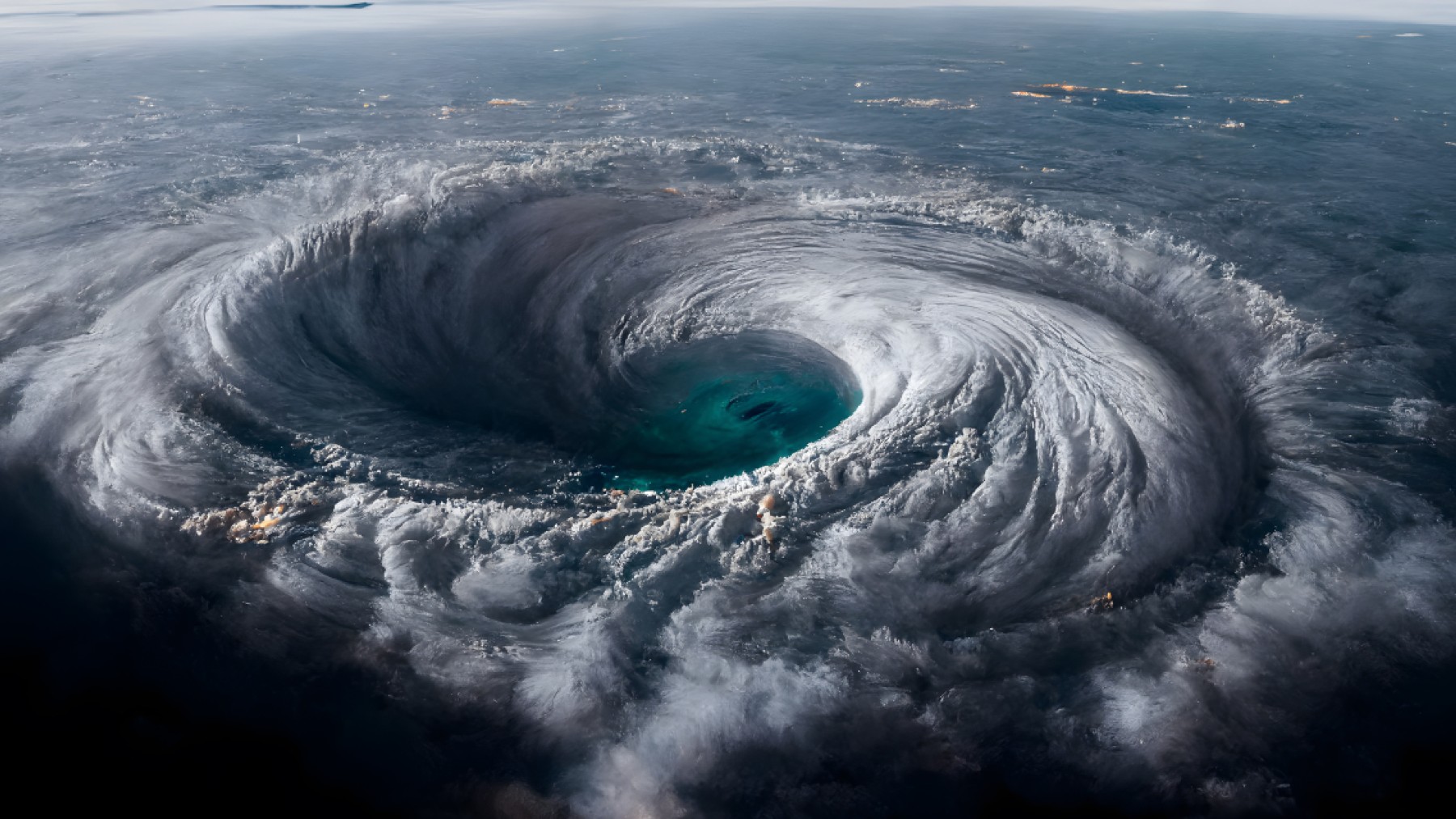
The immense power of nature causes innumerable damages, both human and economic. From Sandy to Katrina, passing through Patricia very close to the United States, we have received terrible impacts that scientists now want to turn into something like allies. This is the incredible proposal to turn hurricanes into power plants with the new energy they have discovered.
Hurricanes will produce infinite energy: the science-fiction idea made real
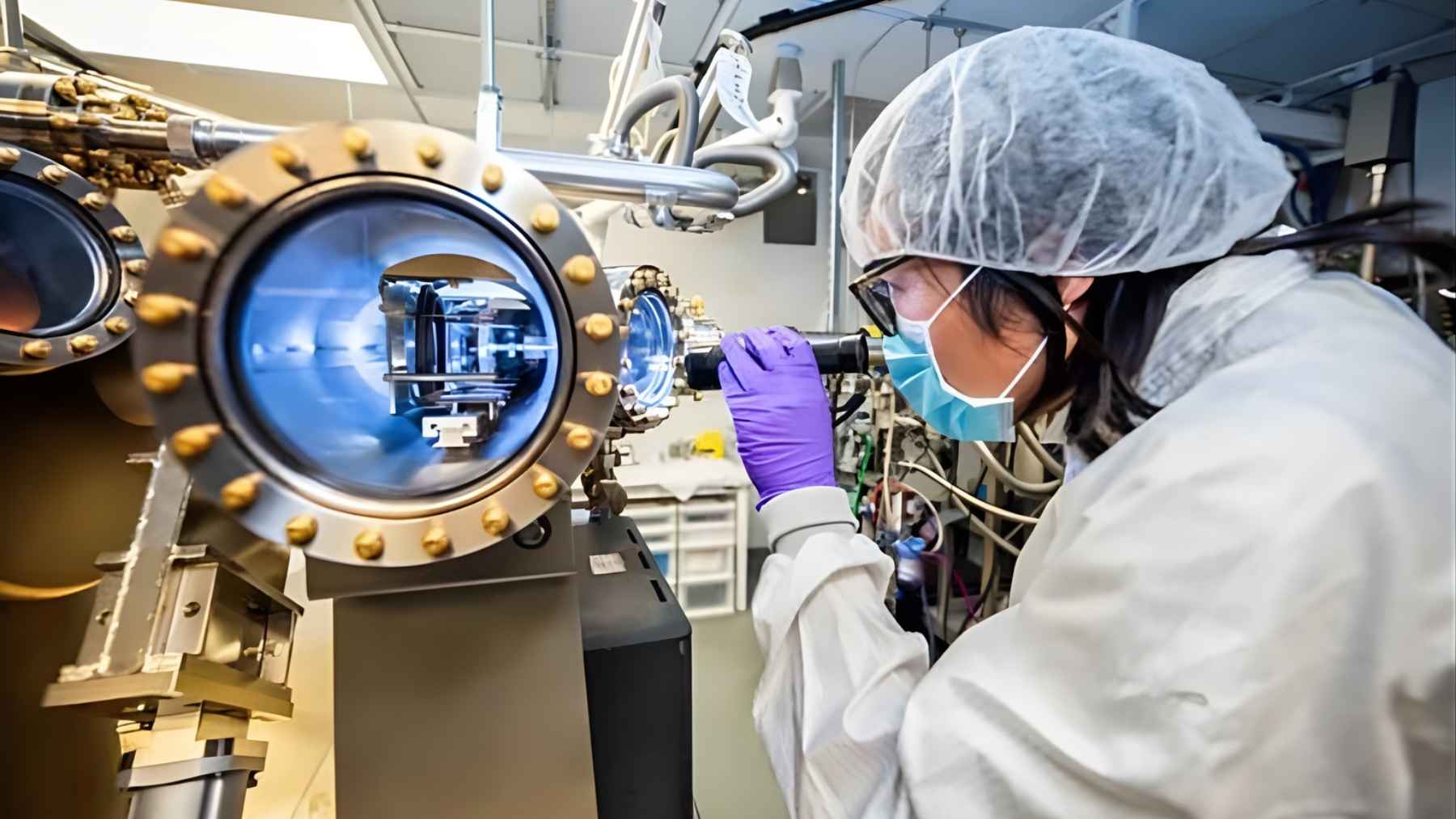
The concept of harvesting humid air would be based on microbial fuel device near the power generator. The group, headed by electrical engineer Jun Yao, was testing at the time various materials that can increase the battery capacity.
Initially it, the electricity was achieved due to air interaction in water vapor with a battery material. To our great surprise, this experimental outcome showed promise in converting ordinary water molecules to energy, a resource which always exists in air.
However, humidity, being the focus of energy harvesting by some earlier proposed methods, was yet to be fully utilized like a solid-state device that could be operated without an external power source. The simplicity of the design and the fact that the technology could draw on the power unit which was readily available.
Yao termed it an “accident” but certainly her mind was vastly influenced by unexpected event. Atmosphere humidity is considered a huge, but not utilized in the energy field, renewable source of free energy, which is nearly everywhere on our planet.
How to produce energy with hurricanes? The biggest project in history
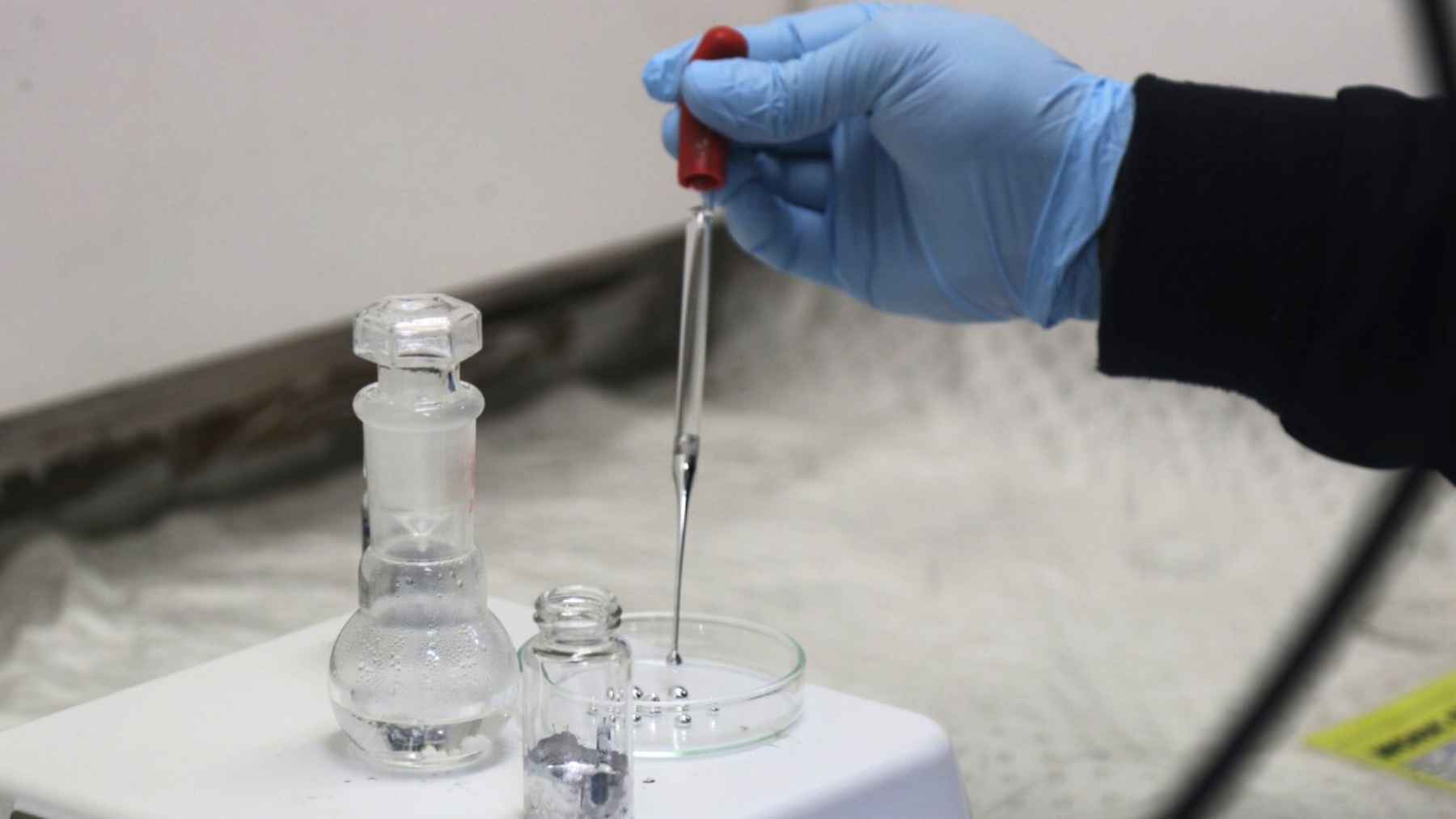
The method to maximize power from humid air technology is operating with moisture adsorption working mechanism that can wet and dry water vapor. The gist of the electrodes is to apply a moisture-attracting substance netting of MOF, mostly designed to absorb water fumes, to the surfaces of electrodes.
Once the hydrophilic MOF layer on top of one electrode absorbs water molecules from the humid air supply, it becomes a positive electrode. In contrast to the previously mentioned sulfate and carbonate salts that were responsible for the formation of the negative-charged MOF cladding on the electrode in the other cell.
The wet electrode regenerates the circuit by heating or exposing to air. This results in the breakdown of water molecules. The electrodes then switch functions, the opposite way the electrodes switch so that moist becomes dry and the other way round.
The amounts of power generated varies with degrees of humidity difference and the properties of MOF material. While MOFs can make power from air abundant with more feasible and efficient designs, researchers are still working to optimize MOF plant layouts in order to maximize the system’s energy output.
The key is humidity: attention to what happens inside a hurricane
The utility of this new technology provides “fuel” for little gadgets like mobile phones, digital watches and other devices those are mobile. And with very little power needed to run these electronics, the insufficient amounts of energy harvested from ambient humidity can possibly flow intermittently into their batteries.
This means it´s not necessary to plug devices in for charging frequently which will reduce the consumers’ dependency on power outlets for charging, hence creating more freedom and convenience. Calculated levels of energy densities approximately from 1up to 10 microwatts per cm² are plausible for humidity harvesting devices.
However, it is insufficient to power up energy-hungry machines, at least not as time is enough to charge up some sensor sensors and wearable devices that work like this as they are optimized to consume only little energy. If the technology becomes inexpensive to be mass-produced, harvesing of humitity can replace disposable batteries.
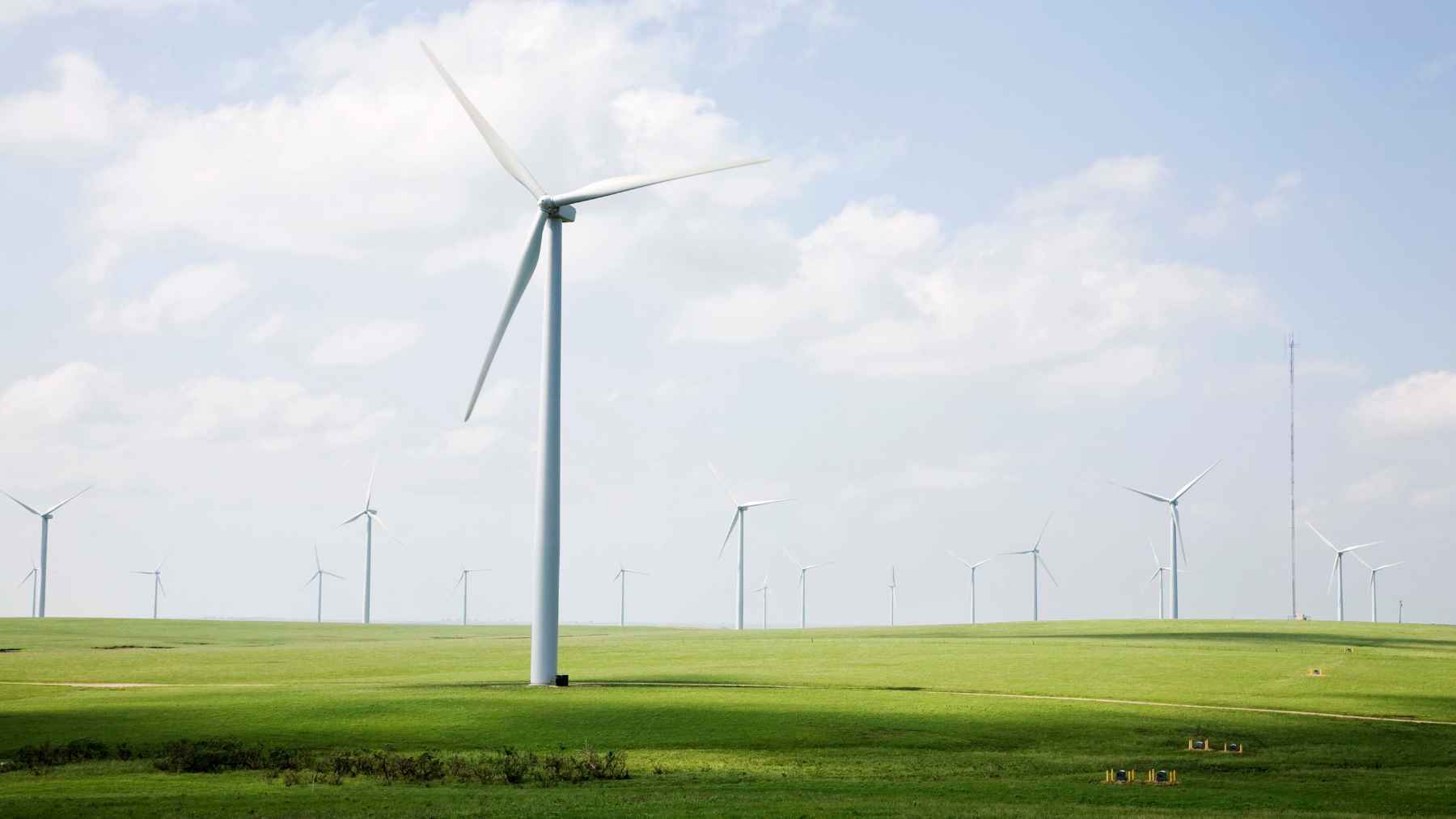
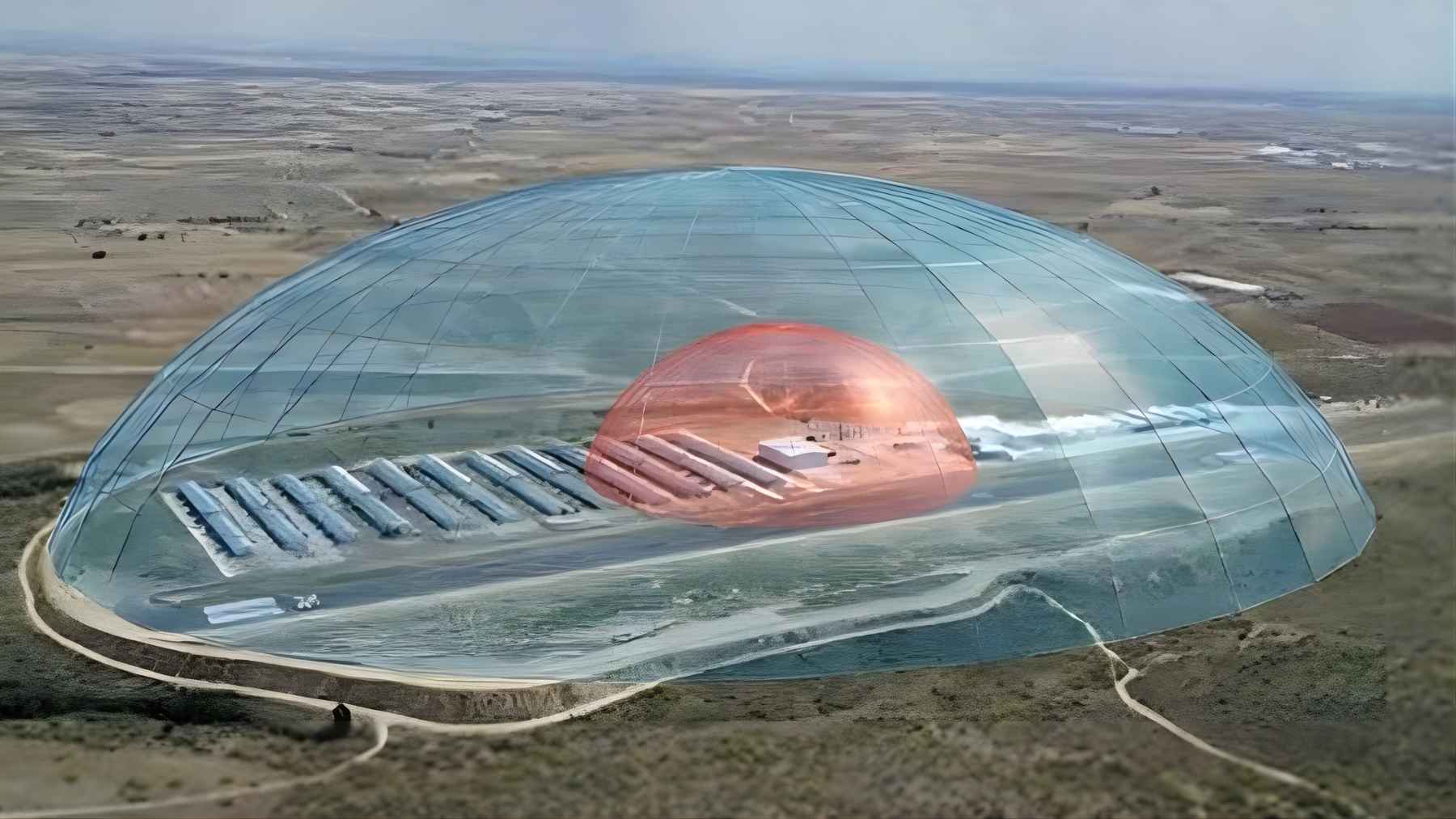
This new energy, as you can see, has the potential to shatter hurricanes and turn them into power plants to maximize the performance of our electrical system. The key will be to make the most of humidity, wind and rain, as well as storm surges to start up turbines that, of course, will have to be more colossal and resistant than the dams with which we stop storms.