The power of hydrogen is known all over the planet, and so is its abundance. We have found it under the Earth, near Yellowstone, in the atmosphere and in the oceans. However, Japan has gone a step further and managed to “hack” it to make it 1000 times more powerful. The only problem? It’s at 2000°C, but they have a plan to develop it and produce it on a large scale, with a new boiling energy that could work all over the planet and displace photovoltaic and wind in an instant.
Hydrogen has been “hacked”, and now there’s a new energy: It’s massive and futuristic
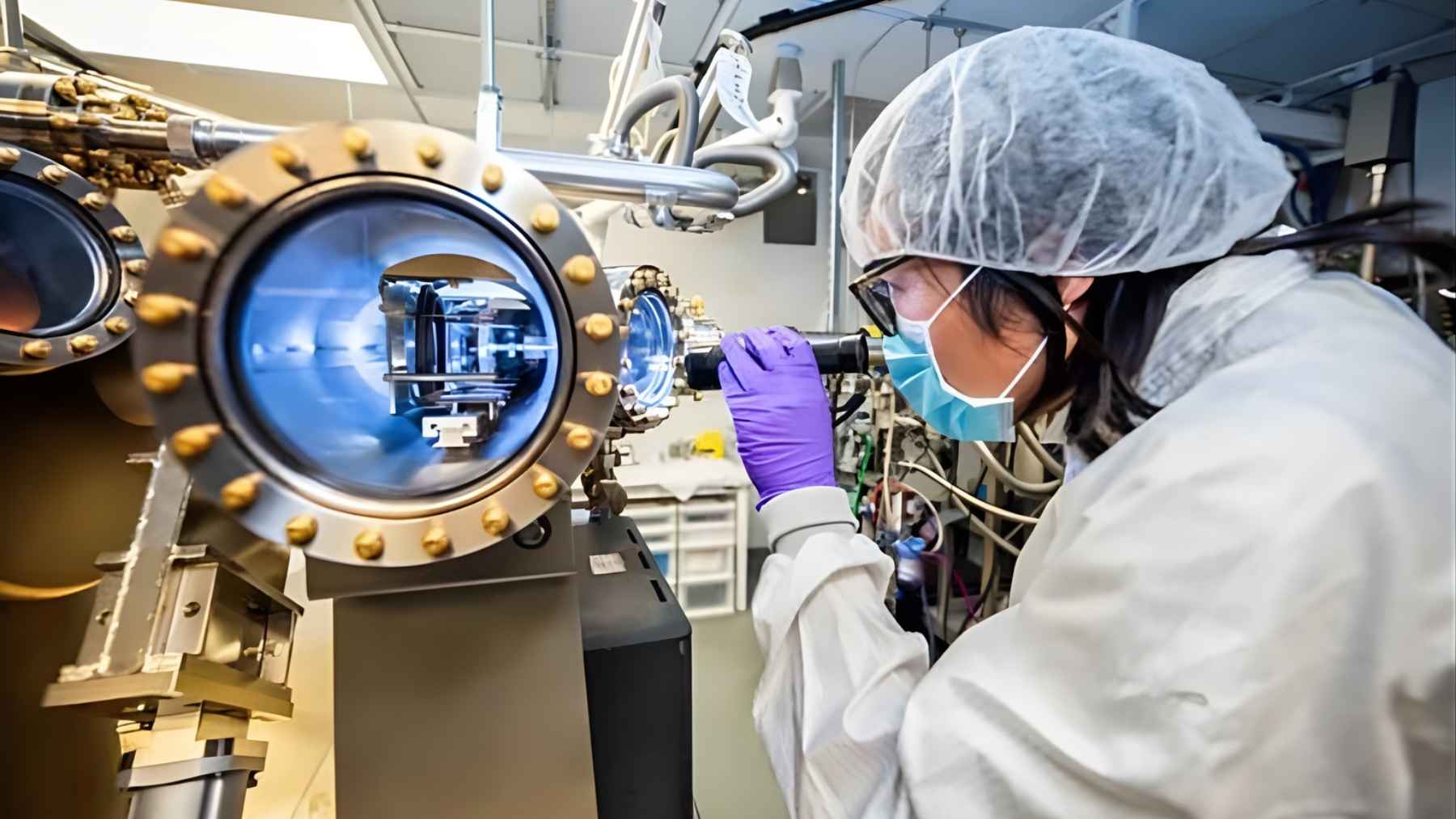
According to information put forward by the RIKEN research institute based in Japan, they have made great improvement in hydrogen technology and registered unreasonable achievements that are likely to change the face of the future energy. Scientists of the RIKEN have presented the new method of obtaining clean hydrogen, which is technologically very effective.
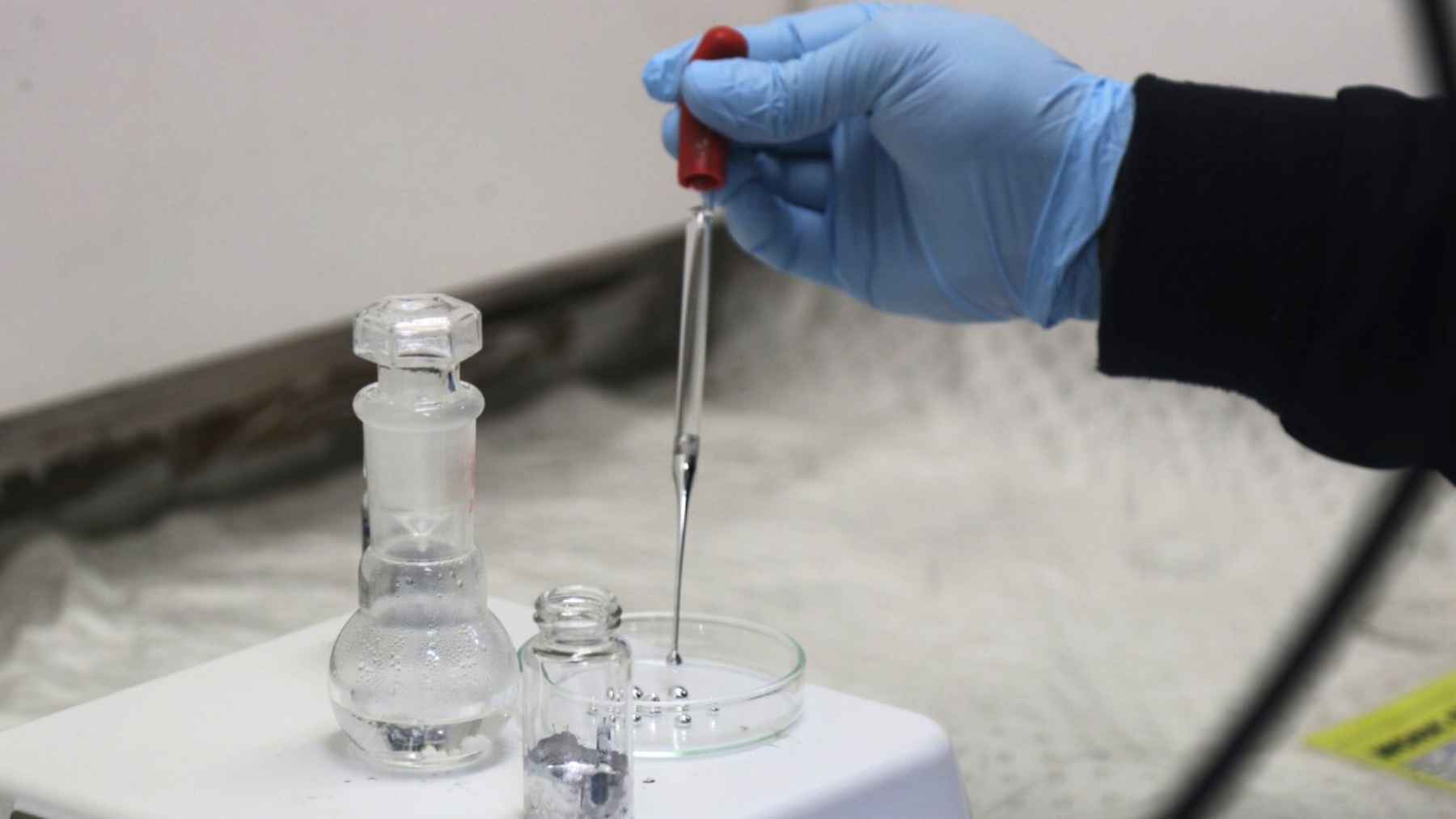
With the help of a targeted catalyst (a chemical substance), they are able to activate water and split it into components: hydrogen and oxygen, faster and with less energy consumption. This discovery could make hydrogen production cheaper, which is important given the increasing global energy consumption.
Moreover, the hydrogen energy-related technologies in RIKEN include production as well as storage and transportation. They have designed a new category of hydrogen storage material that can store and release good amounts of hydrogen at ambient temperature and standard pressure, resolving previous challenges.
This could go a long way in enhancing how possible it is to use hydrogen as an actual fuel for use in vehicles and other uses. Following their advancements in hydrogen production and storage technologies, RIKEN has made hydrogen fuel cells remarkable, too. Employed by their researchers, the fuel cell catalysts are on the cutting-edge of architecture that shows a higher level of power and durability.
Can we talk about a new type of hydrogen? Not a “color”, but something even more innovative
These developments in the fuel cells could increase the efficiency and reliability of hydrogen automobiles as well as stationary power sources. In their investigation conducted at RIKEN, their system of hydrogen synthesis stands to provide greater than eighty percent energy conversion efficacy, which is much higher than a water electrolysis process that has 50-60 percent efficiency.
There is a four-fold increase in H2 weight percent that can be stored in new material from present 2-3% storage capacity. The new generation of the fuel cell catalysts has shown the power density as high as 50% greater than that of the present commercial platinum based catalyst and the lifetime over 50% longer.
What Japan has achieved could change everything: New catalyst for hydrogen electrolysis
Thus, manganese oxide improved the construction of the catalyst, yet, the efficiency in water electrolysis still belongs to the domain of iridium. Nevertheless, hydrogen has a problem, namely, iridium is a rare metal and due to this the cost of hydrogen production is high and does not allow for its wide use.
Thus, the researchers in the RIKEN center designed a new catalyst that incorporate both manganese oxide and iridium. They found that when they spread isolated Ir atoms over manganese oxide, the amounts of Ir could be cut a staggering 95% without negatively affecting hydrogen generation rates.
Binding between manganese oxide and iridium allowed them to achieve the necessary result: manganese oxide stabilizes iridium in the very active, but rarely used +6 oxidation state. In the PEM electrolyzer, the iridium manganese catalyst continued to produce hydrogen for 3000 plus hours or about 4 months at an 82% efficiency without any signs of degradation.
Japan’s idea is not in itself futuristic, as the hydrogen electrolysis is a mechanism that has been studied for years (and we have told you about it). However, they have achieved unprecedented results by carrying it out in a completely different way, prioritizing efficiency and energy density. This is the proposal they are going to share with the world to revolutionize once and for all the way we generate electricity without polluting.