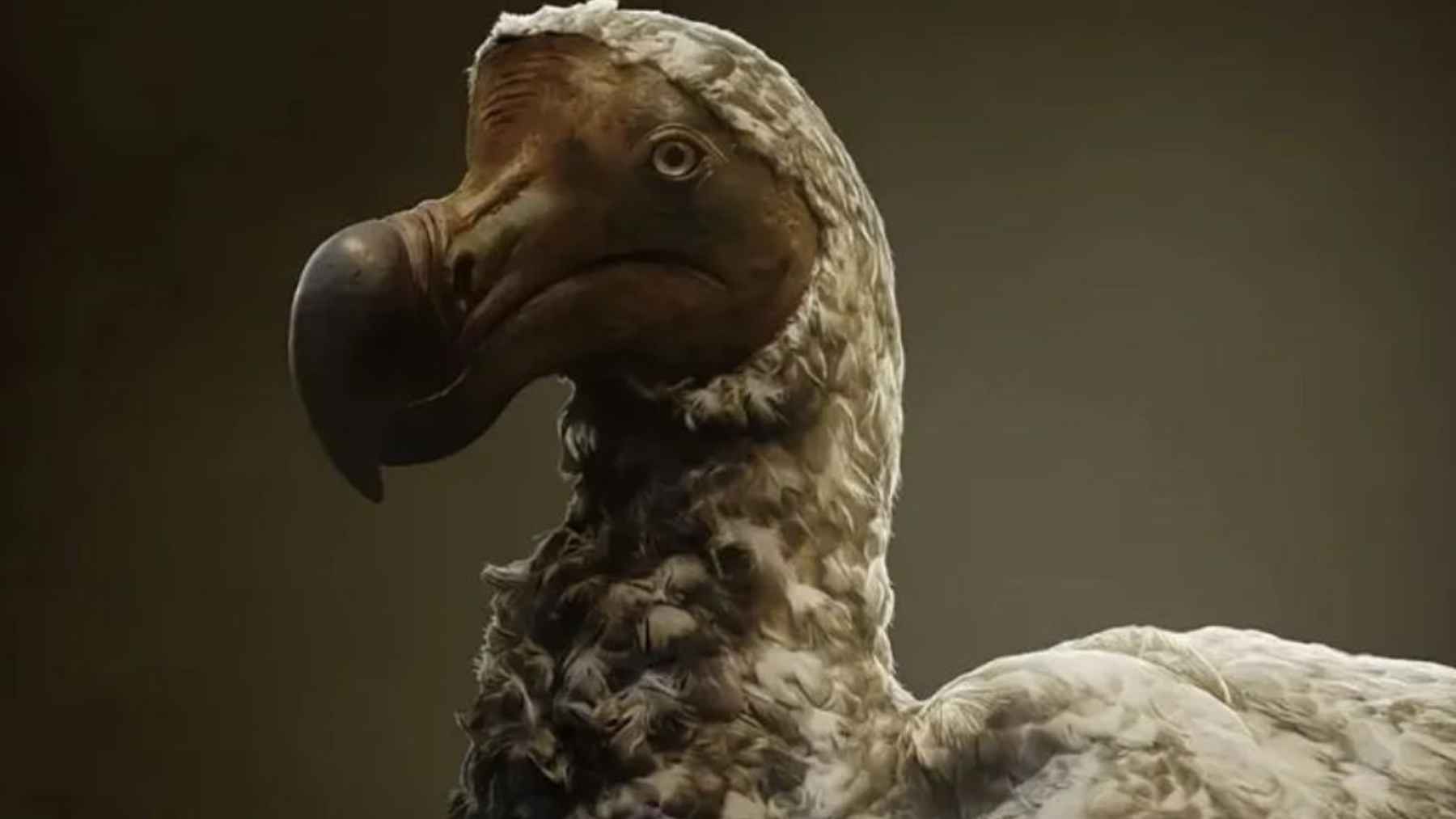
An animal that vanished more than three hundred years ago is back in the headlines. The dodo, a flightless bird from the island of Mauritius, could become one of the first historically-extinct species that scientists try to bring back in altered form through advanced gene editing.
A Texas-based startup says it has grown key reproductive cells from pigeons and outlined a path of roughly five to seven years toward hatching a dodo-like bird. Many scientists praise the lab advance but warn this is not literal resurrection. So what is really happening behind those lab doors?
From extinct island bird to de-extinction test case
The dodo once roamed the forests of Mauritius, a small volcanic island in the Indian Ocean. Lacking natural predators and unable to fly, it quickly fell victim to hungry sailors and the rats, pigs, and other animals they brought. Most historians place its disappearance near 1681, turning the bird into a lasting symbol of human-driven extinction.
For centuries the species lived on only in museum bones, old paintings, and the phrase “dead as a dodo” in jokes and lessons. Now it is the flagship project for Colossal Biosciences, a United States company that uses ancient DNA and gene editing to build stand ins for lost species including woolly mammoths, thylacines, and dire wolves.
Inside the gene-editing plan for a dodo like bird
Cloning methods used for mammals such as the sheep Dolly do not work well in birds. Bird embryos start developing while the egg is still inside the body, and the opaque shell makes it hard to reach and swap their genetic material. To get around that problem, the team focuses on primordial germ cells, the early cells that later form eggs and sperm.
In a recent announcement the company reported that its researchers can now grow pigeon primordial germ cells in the lab and keep them alive outside the body. Reporters note that similar cultures had previously worked only in chickens and geese, so moving into pigeons is treated as a notable first for bird genetics. Next, scientists plan to edit germ cells from the Nicobar pigeon, the dodo’s closest living relative, and place them into specially modified chicken embryos that then act as surrogates, so that in theory a chicken could eventually lay an egg that contains a chick with many dodo traits.
Why scientists doubt a perfect comeback
For all the excitement, no one has created a living dodo embryo yet. The project instead relies on a genome assembled from ancient DNA in museum specimens and comparisons with living birds, work led by paleogeneticist Beth Shapiro and colleagues at the University of California Santa Cruz. Even supporters stress that any future bird would be only a proxy for the original species, not an exact copy of the animal that vanished centuries ago.
That uncertainty fuels broader questions. If a bird walks like a dodo, eats like a dodo, and fills a similar role in the forest, is that close enough, or does the label matter more than the role the animal plays in its environment? Critics add that behavior and social learning depend on real ecosystems, not just DNA written in a lab.
Conservation hopes, hard questions, and what happens next
The company estimates that a dodo-like bird could appear in between five and seven years if everything goes well, although outside experts see that as an optimistic timeline. They remind people that complex biology often moves slower than expected and that many steps remain between a lab breakthrough and a bird in the forest. In science, promising does not always mean guaranteed.
There is also a debate about priorities. Conservation biologists worry that money and attention may flow toward headline-friendly de-extinction projects instead of helping bird species already in trouble, especially on islands whose habitats humans have heavily altered. Supporters counter that the same germ cell tools could one day bank and restore the genes of threatened species, and that work on the dodo might indirectly keep more familiar birds from going the same way.
The official press release was published on the Colossal Biosciences website.