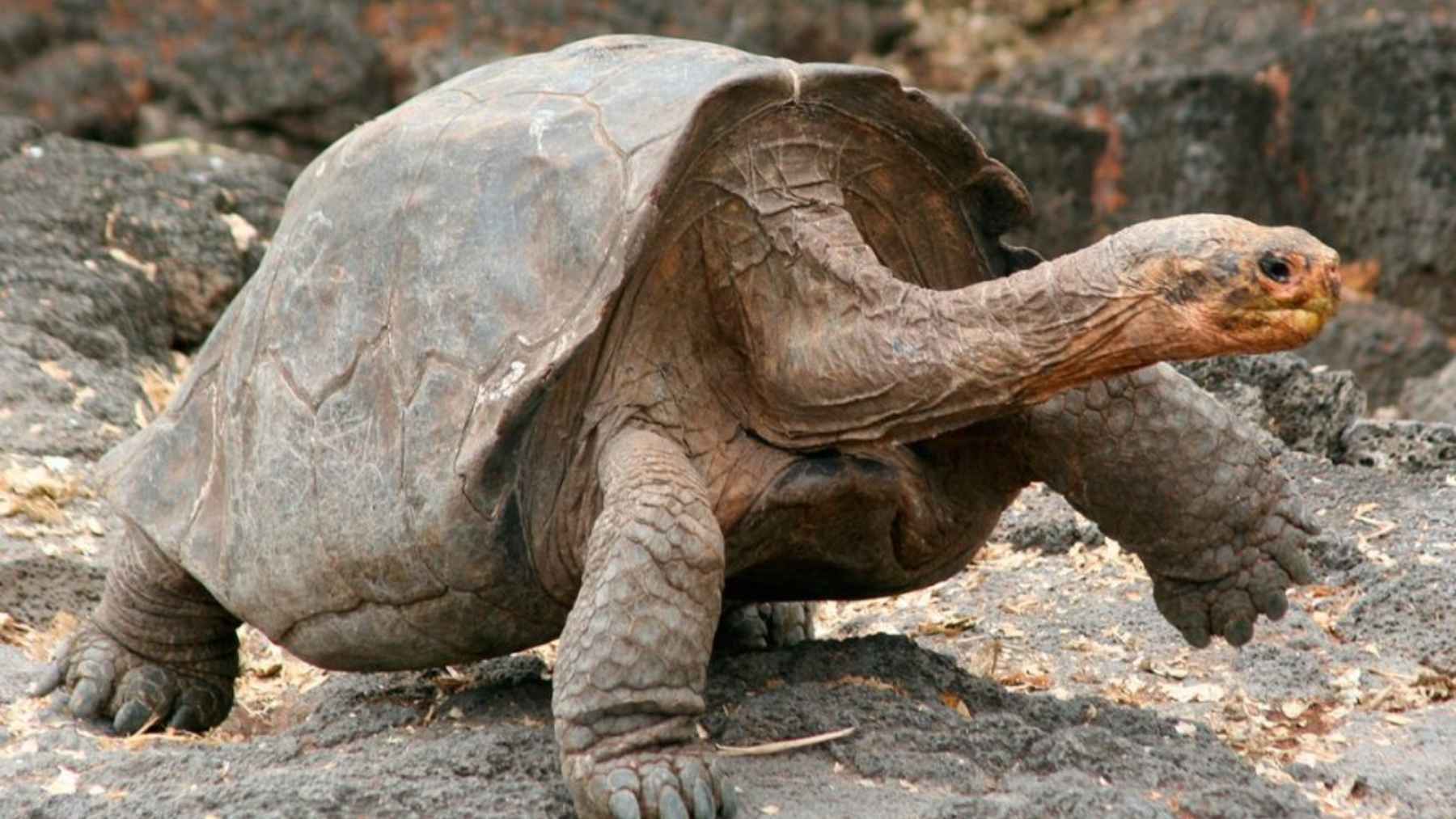
Gramma, a Galápagos giant tortoise, has died at an estimated age of 141, according to the San Diego Zoo. She was humanely euthanized on November 20 after veterinarians saw that her age-related bone problems had worsened and could no longer be managed comfortably.
For visitors, keepers, and generations of San Diegans, she was more than just a reptile resting in a quiet enclosure.
Born in the Galápagos Islands in the late 19th century and brought to the United States via the Bronx Zoo in the late 1920s or early 1930s, Gramma spent almost a century as one of the most recognizable faces at the San Diego Zoo.
Staff affectionately called her the “queen of the zoo,” and families often returned decades after their first childhood visit just to check whether she was still there, slowly chewing her lettuce under the California sun.
A life that spanned generations
Over her lifetime, Gramma lived through two world wars, the Great Depression, the moon landing, and the arrival of smartphones in every pocket.
She also outlasted more than 20 United States presidents. While the world outside shifted from steam trains to electric cars, her daily routine stayed simple: long naps, leafy meals, and patient interactions with curious visitors leaning over the railing.
For many locals, she became a living landmark. Cristina Park, now 69, remembers visiting the zoo at the age of three or four and sitting on the shell of a tortoise, something that is no longer allowed.
That early moment led her to adopt a small desert tortoise at home and to learn more about conservation. Stories like hers show how a single animal can quietly steer a person’s choices for decades.
Why Galápagos tortoises live so long
Galápagos tortoises are famous for their slow pace and very long lives. Their bodies are built for the long haul: a slow metabolism, thick shells for protection, and an ability to store food and water that lets them go months without eating in hard times. Scientists often compare them to natural timekeepers, measuring out centuries instead of years.
Gramma’s age is remarkable but not unique for her species. Some individuals have reached around 170 years, like Harriet, a western Santa Cruz tortoise that lived in Australia. In the oceans, scientists have even found a massive coral colony that has been growing for roughly 300 years, another reminder that some organisms move through history at a pace most of us can barely imagine.
Other research on an extremely ancient living creature discovered in Canada shows how fossils and living giants together help sketch the long story of life on Earth.
An endangered symbol of the Galápagos
Today, Galápagos giant tortoises are split into 15 recognized species or subspecies linked to specific islands and shell shapes. Three of those are considered extinct, and the rest are classified at various threat levels, from vulnerable to critically endangered, due to past hunting, habitat loss, and invasive animals like rats and pigs.
These categories are detailed in conservation assessments such as the IUCN Red List, which tracks the risk level facing wildlife worldwide.
Harriet, who is believed to have lived to about 175 years and died in 2006 in Australia, is one well known example of this group’s potential lifespan. Yet even such impressive ages cannot protect tortoises from modern pressures. Without strong conservation rules, slow breeding and island isolation can turn a population decline into a slide toward extinction.
Conservation work on the islands
For decades, conservationists and park rangers in Ecuador have been running breeding programs to bring these reptiles back from the brink.
According to the giant tortoise restoration in the Galápagos Islands program led by Galápagos Conservancy and the Galápagos National Park, more than 10,000 young tortoises have been released into the wild since the mid 1960s. Some species that were reduced to just a handful of adults now have hundreds or even thousands of descendants roaming their native islands again.
This work is sometimes compared to efforts in other biodiversity hotspots, such as the Coral Triangle, an area scientists call an underwater Amazon because of its enormous variety of marine life. In both cases, carefully planned interventions and long-term monitoring try to repair damage that built up over generations.
The same big picture worries about the planet’s future atmosphere and oceans, discussed in studies like those behind the headline Earth is running out of oxygen, also hang over the fates of species that depend on stable climates and intact habitats.
New generations of tortoises in U.S. zoos
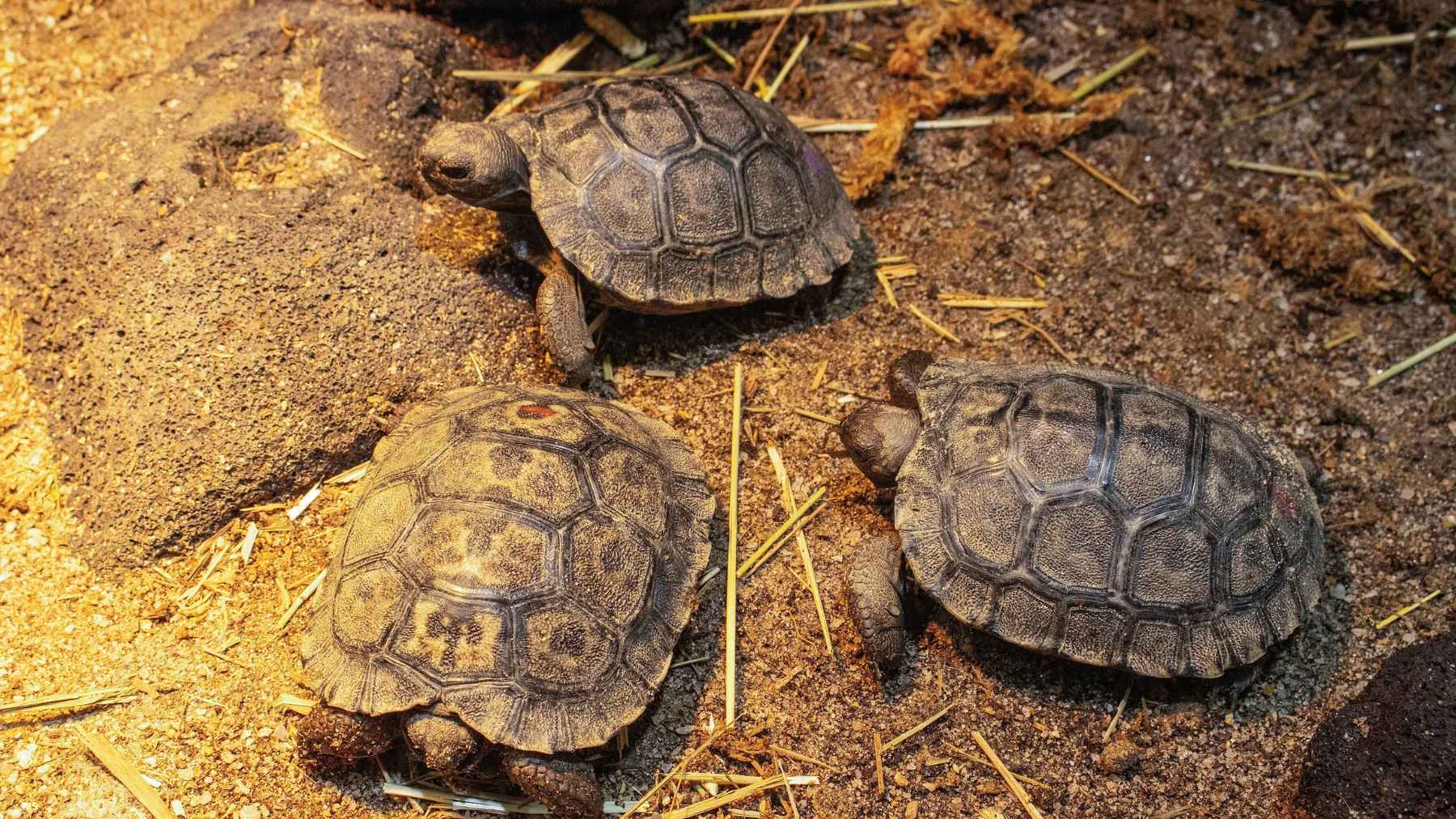
Gramma’s death comes at a time when other tortoise stories are offering cautious hope. In April 2025, the Philadelphia Zoo announced that four critically endangered western Santa Cruz Galápagos tortoises had hatched there, the first time this species had ever successfully bred in that institution’s long history.
Their parents, both about 100 years old, became first time mother and father in what keepers see as a victory for careful pairing and patient care.
Two months later, Zoo Miami reported that Goliath, a roughly 135 year old Galápagos tortoise and the zoo’s oldest animal, had fathered a hatchling for the first time. That single egg marked the first Galápagos tortoise birth in the zoo’s history and could be a world record for the oldest first time animal father.
These stories sit alongside other reports about wildlife under pressure, from tortoises to whales showing strange behavior near offshore wind farms, painting a complex picture of risk and resilience.
Why Gramma mattered far beyond San Diego
At the end of the day, what sets Gramma apart is not only how long she lived but how many people she quietly influenced. Caregivers say she had a shy, gentle personality, often watching visitors with calm eyes while slowly stretching her neck toward a favorite snack of romaine lettuce or cactus fruit.
For kids on school trips, seeing such a huge, ancient looking animal up close can be a shock: suddenly the idea of species vanishing or habitats shrinking feels less abstract and more personal.
As climate shifts, pollution, and human expansion reshape ecosystems, long-lived animals like Galápagos tortoises remind us how short our own timelines are by comparison.
Gramma’s passing closes a chapter that began before anyone alive today was born, yet the conservation programs she helped inspire will shape the lives of tortoises that might still be roaming the islands in the year 2200.
The main press release about Gramma’s life and passing was published by the San Diego Zoo Wildlife Alliance.