Agriculture is a basic and fundamental human activity, but dynamic in equal parts. It was the beginning of our civilization as such and has developed it for millennia. When we have had a crisis, it has been key to overcoming it, and now it will be no less: it will change forever with a clear objective, which is to produce energy (something that even this mysterious paper is capable of doing).
Agriculture merges with renewable energies: a trend of the future
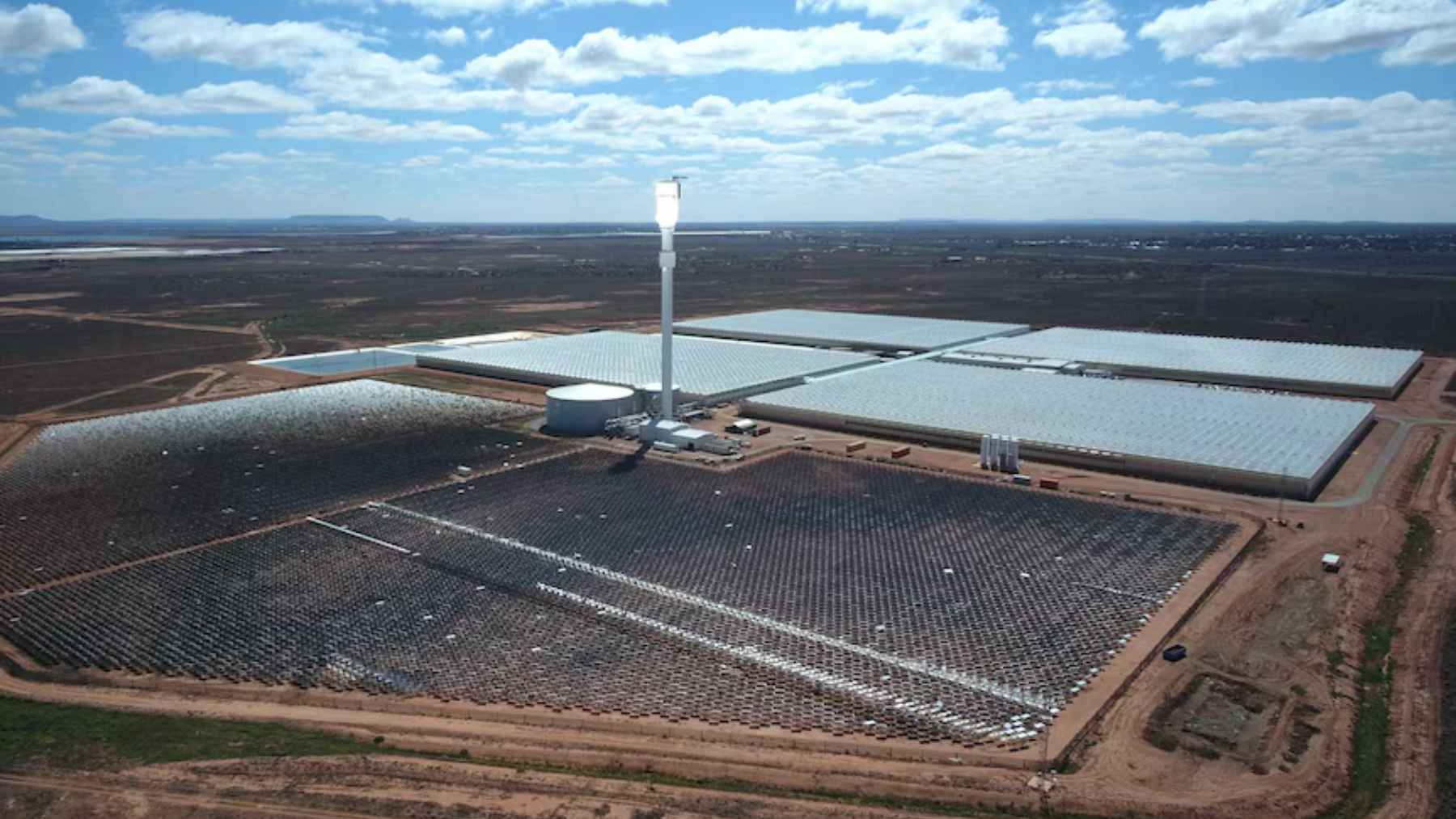
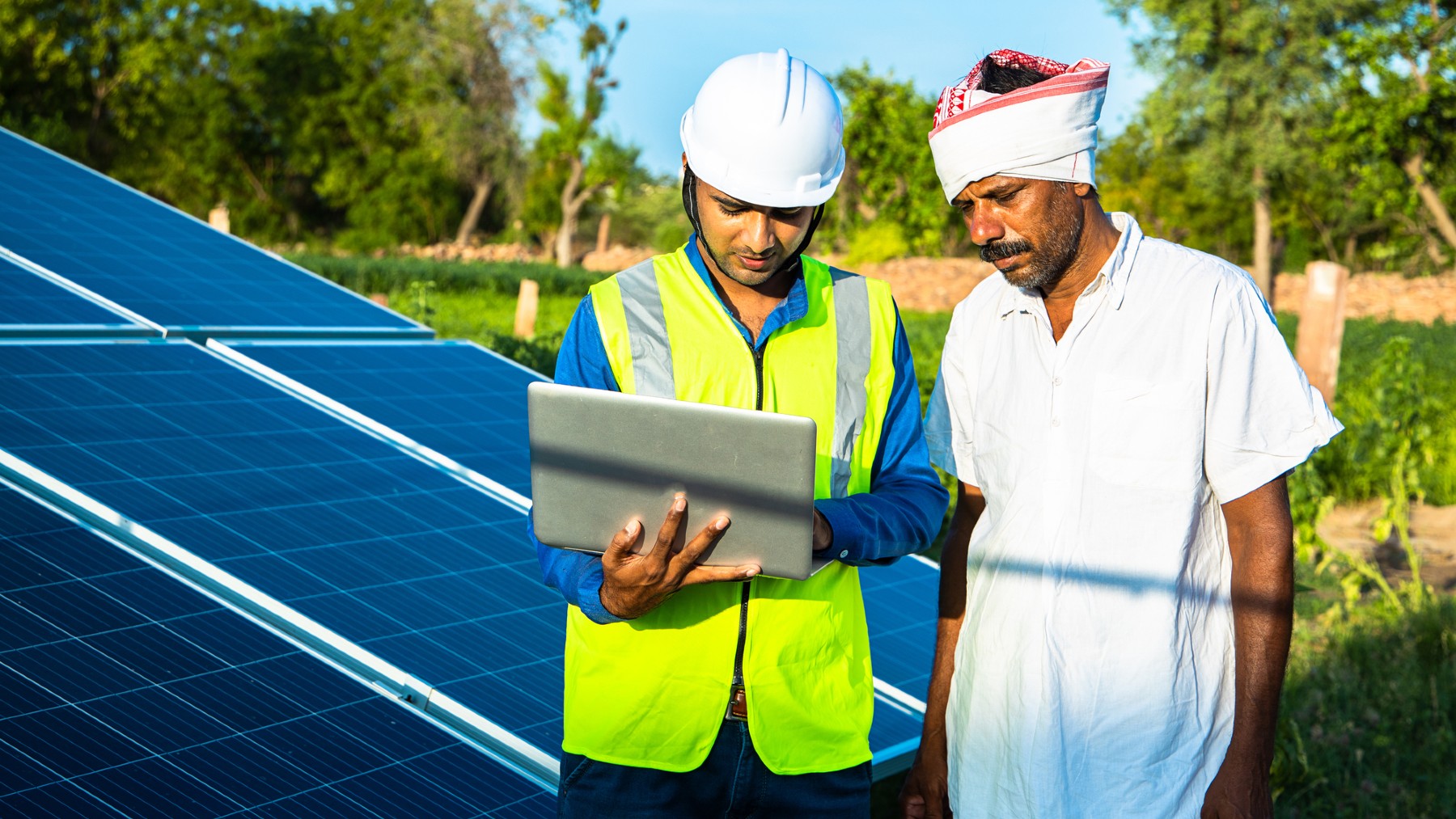
Agrovoltaics, also known as solar agriculture, is a new technology that combines photovoltaic energy generation with cultivation on the same piece of land. It consists of the installation of elevated solar panels that allow the passage of sufficient sunlight to continue cultivating underneath.
In this way, much better use is made of the land surface, generating clean energy and continuing with agricultural activity. The benefits are twofold: on the one hand you get renewable electricity and on the other hand you can continue to produce food and keep the rural environment alive.
It is an intelligent solution that maximizes land use, combines technology and innovation with agricultural tradition and opens up new possibilities for a more sustainable future. Agrovoltaics is here to stay and promises to revolutionize the countryside as we know it.
The world is beginning to know about agrovoltaics: how this energy works
Agrovoltaics, also known as solar sharing, consists of installing solar panels on agricultural plots in such a way that they do not impede cultivation or the entry of sunlight to the crops. In fact, it could be implemented both in areas located at sea level and in mountainous areas, which is unprecedented.
The panels are placed at a sufficient height, normally between two and five meters, supported by special structures that allow the passage of agricultural machinery underneath. In this way, renewable electricity is generated without stopping cultivating the land. Doesn’t this seem like an innovative strategy?
It is a system of integration between this activity and photovoltaic energy, combining the production of food and electricity on the same area of land. It makes it possible to take full advantage of the solar potential of rural areas, which are precisely those that are often the most backward in the economic sense.
The advantages of agrovoltaics: how it aims to change society
Agrovoltaics offers numerous advantages for this activity. One of the main ones is that the solar panels installed on crops act as a protection system that allows better control of light, temperature and humidity conditions.
This is especially beneficial in very hot areas or areas with high levels of solar radiation, since the shade cast by the panels can be regulated to avoid thermal stress on the plants. Likewise, in times of heavy rainfall, excess water can be prevented from damaging crops.
In other words, agrovoltaics can create a more favorable and stable microclimate for crop growth. This translates into more productive and better quality crops, even with less water use, which is another resource that, as you will remenber, is increasingly lacking.
Agrovoltaics has clear benefits for the environment. By combining solar energy with this activity, CO2 emissions associated with electricity generation from fossil fuels are reduced. It would even be possible to completely decarbonize this activity (if, in addition, we dispense with pesticides).
Once again, we have seen how the energy crisis we are going through leads us to take unusual measures (in fact, we have just been caught asking for help from a country we have sanctioned). From now on, agriculture will give way to a new concept known as agrovoltaics, which will spread across the continents at a pace that we will see for ourselves.