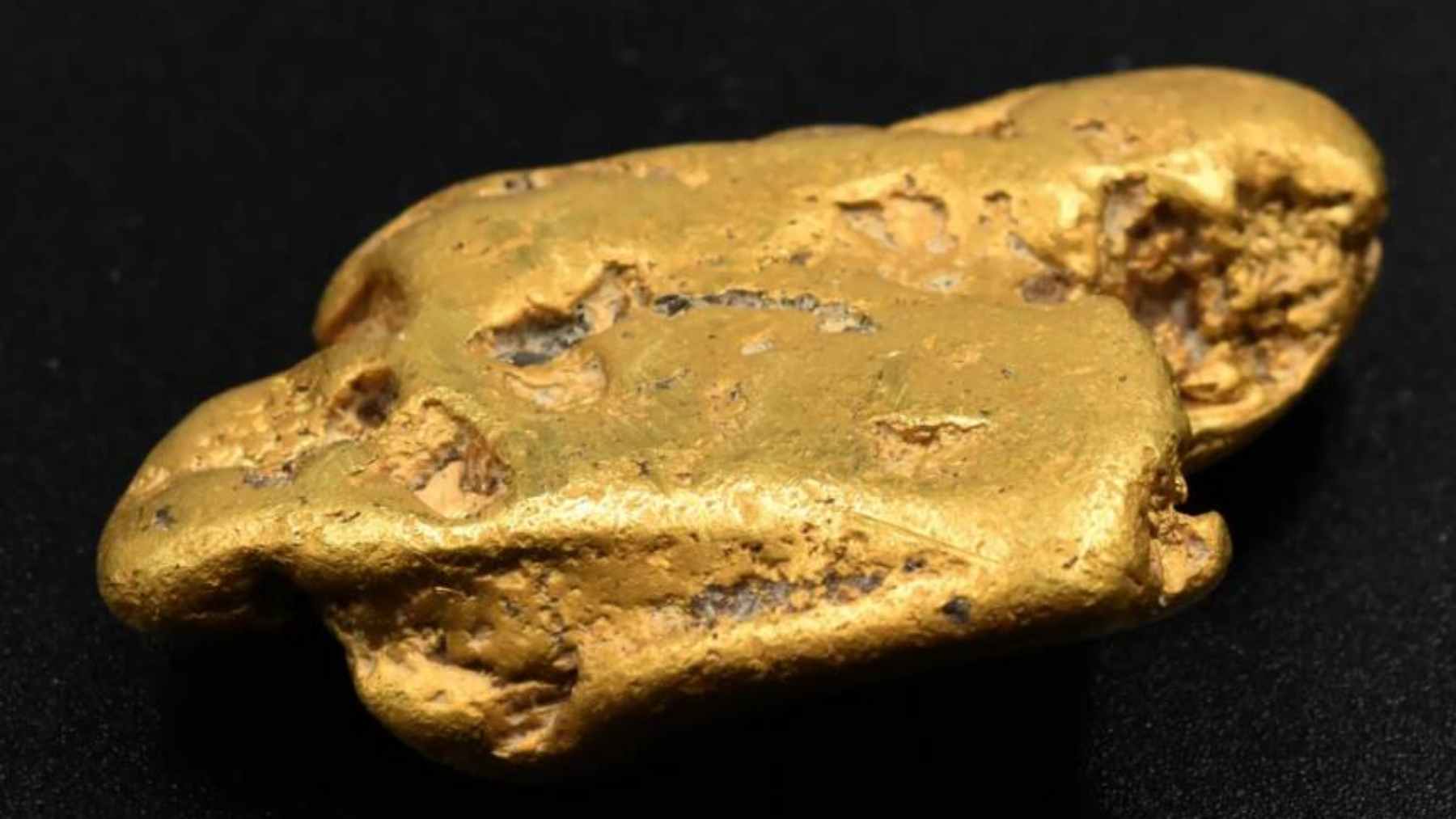
A treasure hunter who arrived late to a group dig in England’s Shropshire Hills walked over the find of a lifetime. Within minutes of switching on a backup metal detector, veteran hobbyist Richard Brock uncovered a 64.8 gram goldnugget that specialists believe is the largest ever discovered on English soil, with a guide price between thirty thousand and forty thousand pounds, roughly thirty eight to fifty thousand dollars.
Brock had driven more than three hours from his home in Somerset to join an organized rally on farmland near the village of Much Wenlock last May. About fifty detectorists were already out on the fields when he finally arrived. When his modern detector refused to cooperate, he pulled out an older machine with a fading display that he described as almost finished.
Within about twenty minutes, at a depth of roughly fifteen centimeters, the device signalled what turned out to be a nugget about the size of a fifty pence coin. The gleaming lump quickly gained a name among fellow hunters, Hiro’s Nugget.
“I actually arrived about an hour late, thinking I had missed the action,” Brock said in a statement released by auction house Mullock Jones. “It just goes to show that it does not really matter what equipment you use if you are walking over the find and are alert to what might be lurking under the soil.”
Mullock Jones placed Hiro’s Nugget in an online sale that ran until early April and suggested a sale price between thirty and forty thousand pounds. At just under seventy grams, the piece edges past the previous record for an English nugget at fifty four grams, although larger pieces of native gold have been documented in Wales and Scotland, including the Reunion Nugget in 2019.
In pure weight, this English prize is tiny compared with famous finds such as the Boot of Cortez in the Sonoran Desert, which weighed more than twenty six pounds. Yet the story behind it highlights a very different kind of gold rush, one that plays out quietly on damp weekends in farm fields rather than in vast open pits or deep underground tunnels.
A record nugget in a protected landscape
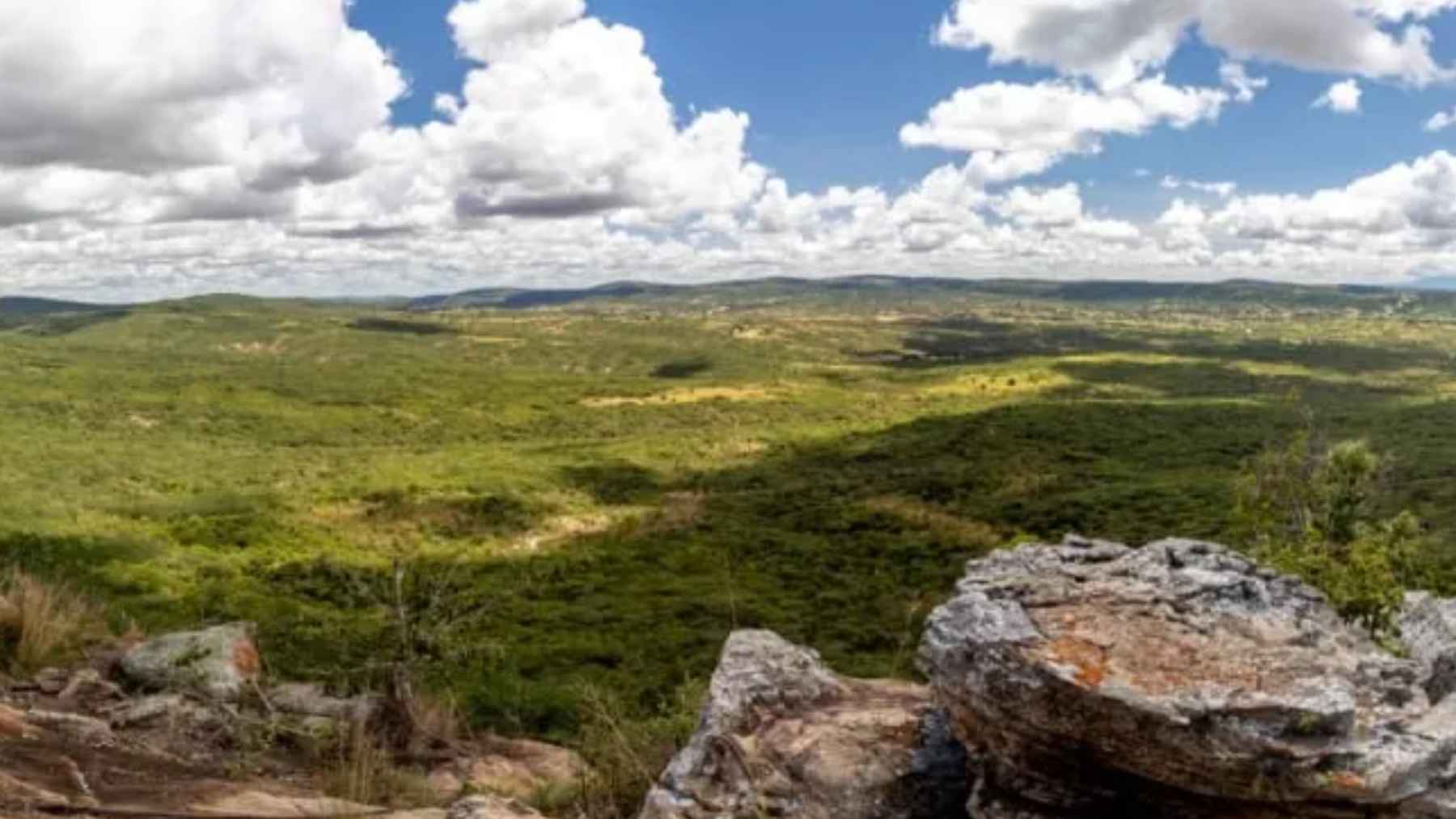
Shropshire Hills, where Brock was hunting, form part of a designated National Landscape that was created in 1958 to conserve natural beauty over more than eight hundred square kilometers of upland, woods, and river valleys. The area covers almost a quarter of the county and is promoted as a place where “nature and people thrive together,” with walking routes, wildlife-rich habitats, and working farmland side by side.
Finding a nugget there is a reminder that protected landscapes are not museums sealed behind glass. They are living places. Farmers graze animals, communities rely on tourism income, and, with permission, detectorists occasionally comb the soil for traces of past lives and lost objects.
A quieter alternative to dirty gold
Gold may be forged in violent cosmic events, yet most of the metal that ends up in bank vaults and jewelry cases comes from industrial operations that move millions of tons of rock. Environmental groups describe gold mining as one of the most destructive resource industries because it often relies on mercury and cyanide, which can contaminate soil and waterways and threaten people and wildlife even at low concentrations.
By some estimates, producing enough gold for a single wedding ring can generate around twenty tons of mine waste. Studies of mining regions in tropical forests have linked gold extraction to deforestation, long-lasting soil damage, and persistent water pollution that undermines biodiversity and local livelihoods.
Compared with that footprint, a hobbyist who follows the Code of Practice for Responsible Metal Detecting tends to leave a much lighter mark on the land. Guidance for detectorists in England and Wales stresses basic rules such as obtaining permission, avoiding protected sites, filling in all holes, and taking care not to damage crops, disturb wildlife, or harm ground nesting birds.
When rallies are run in partnership with landowners and heritage services, many finds enter public records, adding to archaeological knowledge rather than stripping it away.
What this nugget says about our relationship with nature
Brock has said he plans to share any proceeds from Hiro’s Nugget with the landowner, a gesture that underlines how these discoveries depend on cooperation with the people who look after the fields and hedgerows year-round.
So what should readers take away from a golden pebble found in a quiet English field. To a large extent, Hiro’s Nugget is a feel good story about luck, persistence, and a pastime that pulls people away from screens and back into open air landscapes.
At the same time, it quietly contrasts two visions of how society satisfies its appetite for precious metals. One vision digs ever deeper, often at high environmental cost. The other finds value in the rare moments when nature, history, and human curiosity line up in a single beep from a battered old machine.