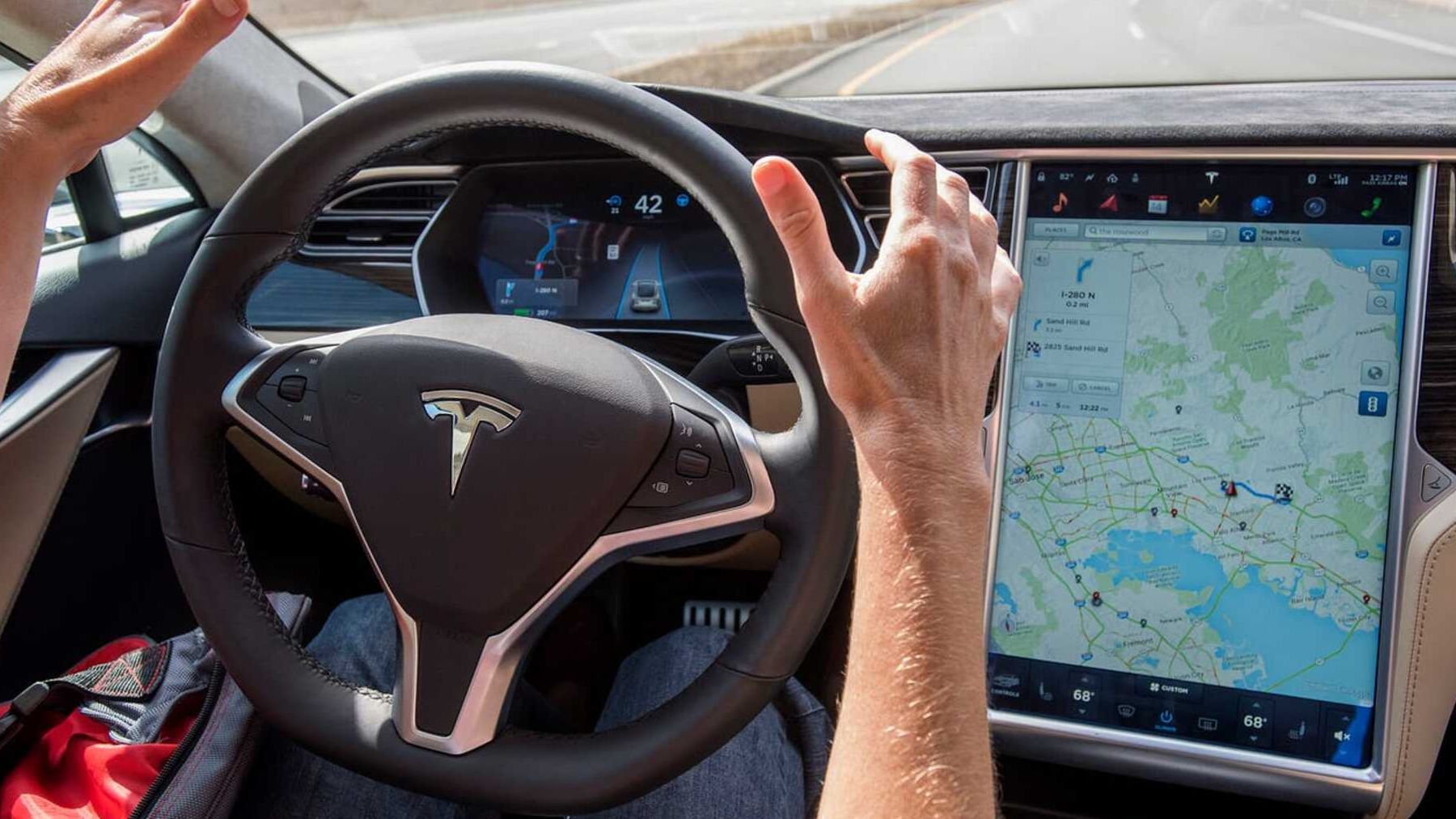
Federal transportation regulators are currently investigating approximately 2.6 million Tesla vehicles due to concerns over the company’s autonomous driving technology, specifically its vehicle-summoning feature. This feature, which allows the car to move autonomously in and out of parking spaces, has reportedly failed to properly detect obstacles such as posts or parked vehicles, leading to accidents and collisions. The investigation comes amid growing scrutiny of Tesla’s Full Self-Driving (FSD) and Autopilot systems, which have been linked to several crashes and fatalities.
Tesla underwire for autonomous driving system accidents
Recently, a formal report submitted to the National Highway Traffic Safety Administration (NHTSA) Office of Defects Investigation has raised concerns about Tesla’s app-based vehicle summoning feature, alleging that a crash occurred while a Tesla was operating under the system. This has prompted NHTSA to initiate an investigation into the safety of Tesla’s autonomous technology.
Originally launched as “Smart Summon,” the feature was later updated and renamed “Actually Smart Summon.” It allows for vehicle owners to remotely move their vehicle using a smartphone app. The previous Smart Summon app was the subject of 12 separate customer complaints according to the NHTSA.
Through Tesla’s smartphone app, owners who subscribe to the Full-Self Driving package can request their Model X, Model Y, Model S, or Model 3 to autonomously drive to their location. NHTSA is focusing its investigation on the speed and driving limitations of the system when active. The formal complaint is supported by reports from three media outlets, which have documented similar incidents, prompting federal regulators to examine whether the technology is operating as safely as Tesla claims.
New complaint builds on Tesla’s self-driving system
Investigators intend to review the remote vehicle control via the app to better understand the reported incident. NHTSA plans to assess whether connectivity delays are contributing to unsafe driving behaviors and whether the software is being used in conditions for which it was not intended.
“NHTSA will evaluate the top speed that a vehicle can attain while Actually Smart Summon is engaged, designed-in operating restrictions for usage on public roads, and line of sight requirements,” the preliminary investigation report reads.
The new investigation builds on previous controversy surrounding Tesla’s technology. Tesla has been under investigation by the NHTSA for four crashes involving their autonomous driving systems. The incidents involve the use of their Autopilot software which allows for Tesla vehicles to steer, accelerate, and brake automatically. The technology has been in development since 2016.
Is a world with autonomous and remote driving operations possible?
While Tesla has always been a visionary for the future of automobile technology, the recent incidents with their smartphone app as well as the previous controversy surrounding their Autopilot system brings to lights questions on if the world is actually equipped to deal with this kind of technology at this stage in development. A remote and autonomous driving world is an exciting concept, but its feasibility involves a complex mix of technological, regulatory, and societal challenges.
Fully autonomous vehicles still face significant hurdles in areas like safety, reliability, and handling complex driving environments such as adverse weather or unexpected road conditions. Moreover, regulatory approval is a major hurdle. Governments need to establish clear rules and safety standards for autonomous and remotely controlled vehicles to ensure they meet public safety requirements. Public acceptance is another challenge, as many people still feel uneasy about relinquishing control to machines, especially in critical driving situations.
Despite these challenges the company is currently facing, Tesla continue to be a leader in developing the automobile world. Currently, their alternative engine technology, specifically in electric vehicles, is more likely to be widely adopted than the concept of fully autonomous or remote-controlled driving. Tesla’s electric engines are already seeing mass adoption, with a growing global demand for environmentally friendly transportation solutions and advancements in battery technology.