What happens when a nuclear disaster clears out entire farming communities and leaves the barns open. In Fukushima, the answer is surprisingly simple and strangely profound. Domestic pigs slipped through broken fences, met wild boar in abandoned fields, and created a living experiment in evolution that scientists are only now beginning to understand.
From nuclear meltdown to natural experiment
After the 2011 accident at Fukushima Daiichi Nuclear Power Plant, more than one hundred thousand people were ordered to leave their homes around the site. Farmhouses, rice paddies, and pig sheds inside a safety zone of roughly twenty kilometers fell silent almost overnight. Many domestic pigs were released or escaped as owners evacuated and could not return.
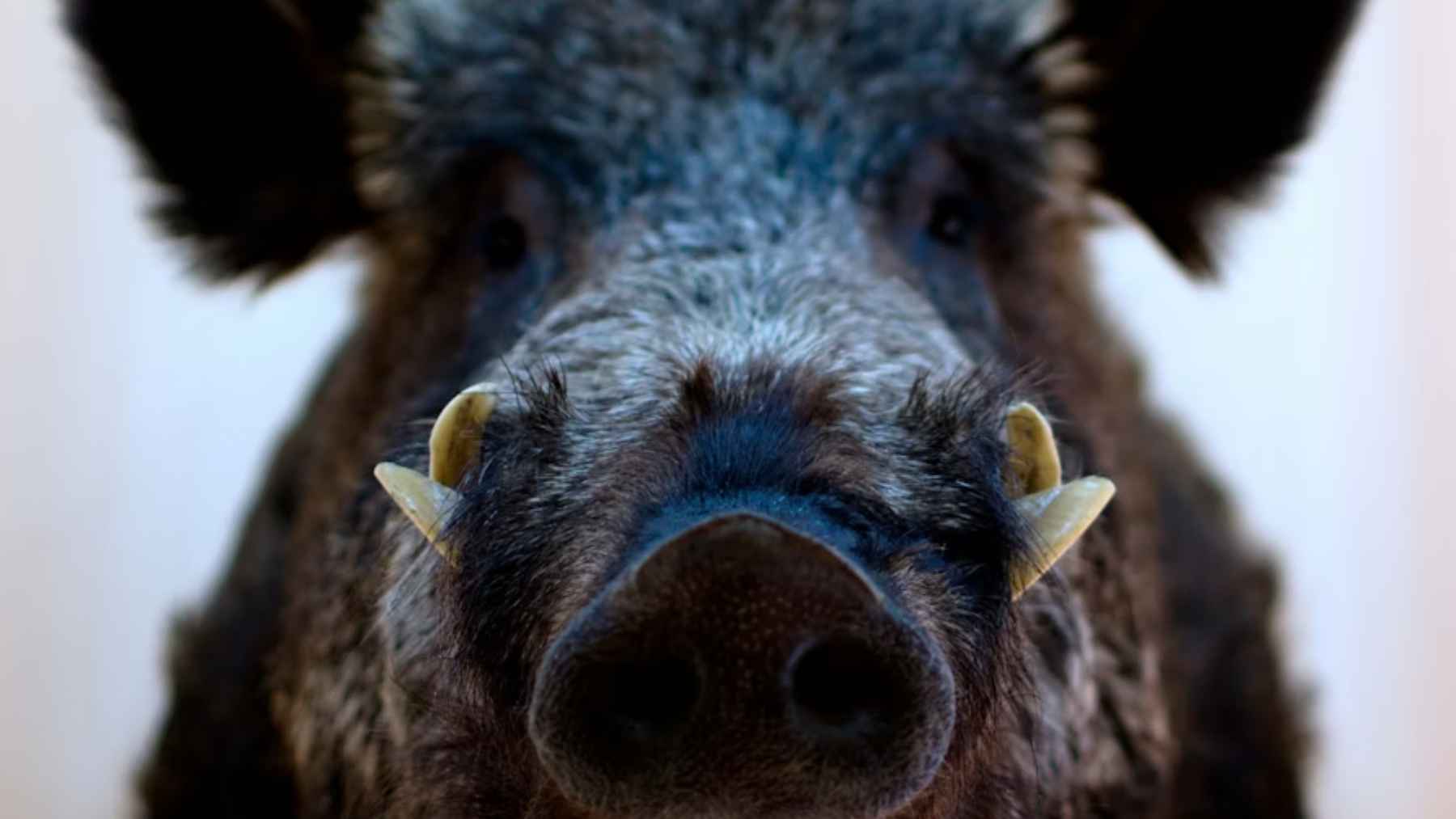
With humans gone, nature moved in. Wild boar, already native to the region, poured into the empty villages, feeding in overgrown fields and rummaging through gardens that no longer had fences or barking dogs. When the newcomers from the barns met the locals from the forests, they bred and produced hybrids that carried both domestic and wild genes.
Domestic mothers, wild children
A new genetic study led by Professor Shingo Kaneko at Fukushima University and colleagues looked closely at what happened to these hybrids over time. Researchers analyzed mitochondrial DNA, which is passed down from mothers, together with nuclear DNA from 191 wild boar and 10 domestic pigs captured between 2015 and 2018 in and around the evacuation zone.
They found 31 animals with mixed ancestry. On paper, that might sound like a modest number. The surprise lay in who their mothers were and how quickly their genomes changed. Most hybrids that carried domestic pig mitochondrial DNA were already more than five generations removed from the original cross, and their nuclear DNA contained only tiny traces of pig ancestry.
Why would pig mothers speed up the erasure of pig genes. The team points to a basic difference in life history. Wild boar in Japan usually breed once a year. Domestic pigs, selected for farming, can reproduce several times per year and are managed for rapid, continuous breeding. That faster rhythm appears to have persisted in the escaped sows and their daughters, which then repeatedly mated with wild males.
In practical terms, more litters in a shorter time meant more opportunities for backcrossing with wild boar. Each generation diluted the domestic genome further, even as the maternal pig lineage kept marching on. As the authors put it in their press materials, the domestic reproductive schedule became a kind of “genetic fast track” for turnover in the wild boar population.
Radiation, mutations, and what really changed
Ever since the accident, many people have assumed that the biggest genetic story in Fukushima’s forests would be radiation. Several studies did check for increased mutation rates in trees, mice, and wild boar exposed to radioactive cesium and other contaminants. To a large extent, those analyses have found limited or no clear rise in mutation rates in the DNA sequences examined.
That does not mean the contamination is harmless. Some boar still carry high levels of radiocesium in their meat, and local authorities strictly control hunting and consumption. Yet when it comes to how genes themselves are shuffled in this landscape, the most striking disturbance did not come from radiation damaging DNA. It came from barnyard animals suddenly thrown into the wild.
A warning for invasive species everywhere
Hybridization between domestic and wild animals is not unique to Fukushima. Around the world, wolves interbreed with dogs, bison with cattle, and wild boar with feral pigs, especially in farmed or logged landscapes. These mixes can boost population growth, change behavior, and complicate conservation, because the resulting animals do not fit neatly into categories like “native” or “invasive.”
What makes Fukushima special is that the pig escape happened once, under well documented conditions, inside a large evacuated area. There were no repeated releases of domestic animals, no intensive hunting, and very little human interference for several years. For scientists, that created a rare chance to watch how hybrid genes spread and then fade as generations pass.
The new study suggests that maternal pig lineages can temporarily speed population growth and gene flow, then quietly leave behind a mostly wild genome with a domestic stamp in its mitochondrial DNA. For wildlife managers, this nuance matters. It means that even when hybrids look and behave like wild boar, their family history can still be influencing how fast populations rebound and how far they spread.
Managing boar in a changing landscape
In Fukushima Prefecture, the number of wild boar captured by authorities rose from about six thousand animals one year after the accident to around thirty six thousand less than a decade later, helped by more intensive trapping as well as natural growth. Many roam through partially reopened towns, rooting up gardens and testing fences around newly replanted fields. Anyone who has ever worried about a garden being torn up overnight can probably imagine the scale of that problem for returning residents.
By understanding which animals carry domestic maternal lineages and how quickly those lineages reproduce, officials can better predict the risk of sudden boar booms and plan control efforts that focus on the most influential family lines. The authors argue that the same logic could help other regions where feral pigs are expanding into cropland and forests, from the United States to parts of Europe.
At the end of the day, Fukushima’s pig boar story is a reminder that human disasters do not just leave behind empty streets and higher electric bills. They also reshape the living fabric of nearby ecosystems in ways that can outlast the headlines by decades.
The press release was published on Fukushima University.