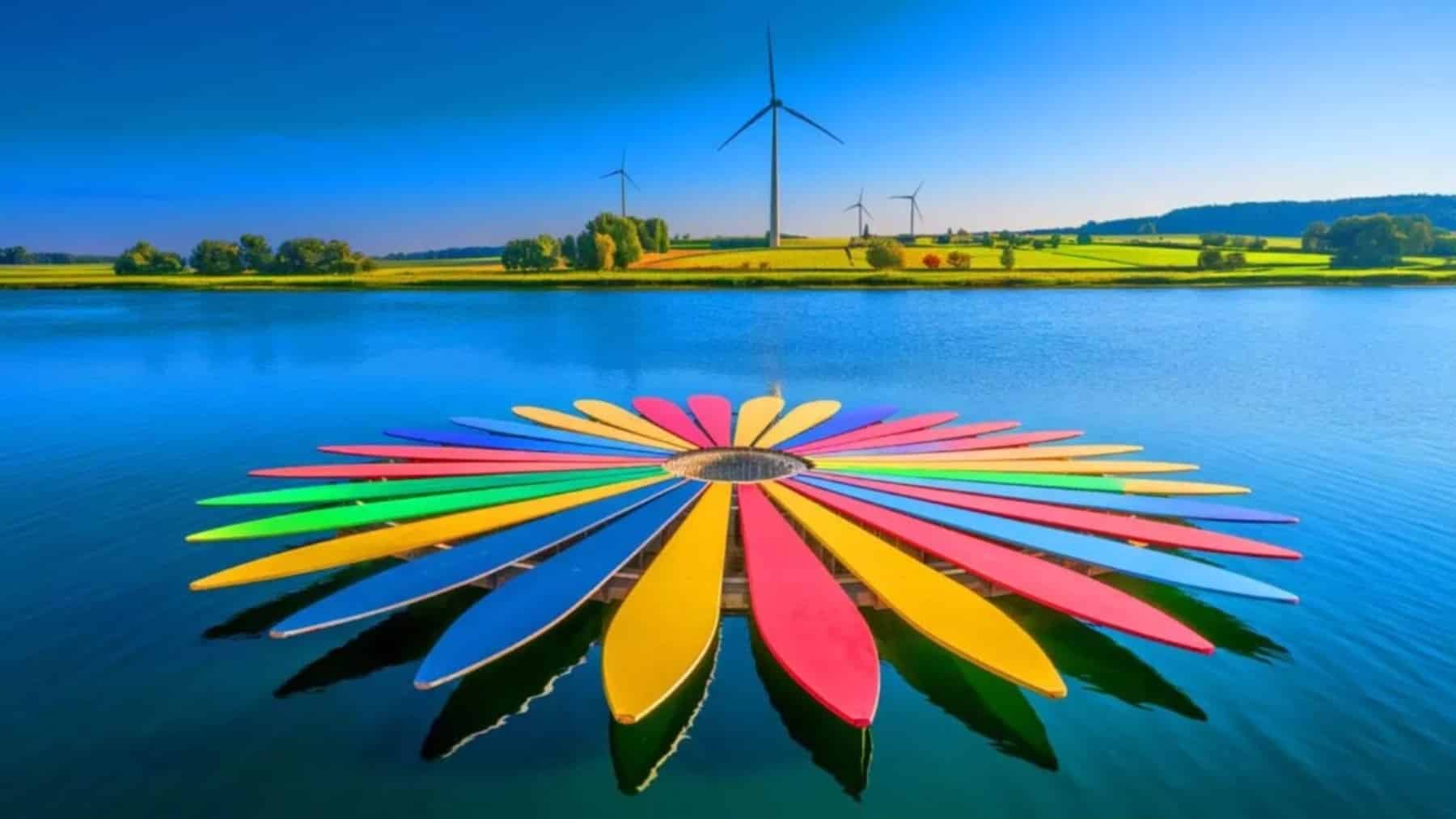
Finland’s floating dock is one such floating device that has been created using repurposed wind turbine blades. Created by the Finnish startup company, Reverlast, these floating docks are working towards addressing a core concern of what to do with waste from aging infrastructure. While renewable energy is often looked at and scrutinized, the aging and redundant infrastructure that was left behind was not being taken care of or even being considered in the slightest until Reverlast changed the tone.
A lucrative solution for wind turbine waste
What Reverlast is doing is using the waste from aged wind turbines in a better way. While wind turbines remain central to the clean energy game, the fiberglass blades that remain from powerful dated wind turbines are impossible to recycle. More commonly, these fiberglass blades are either crushed or burnt in a rather carbon-intensive process. If left unattended, old fiberglass blades could take years to break down.
The company, Reverlast, was founded by alumni from Aalto University in Finland. These enthusiastic alumni considered possibilities other than simply destroying the blades. Instead, Reverlast focused on making use of the more archaic blades. The process of reusing blades entailed cutting the blades and sealing them to ensure that they were watertight.
These blades are then converted into floating docks that are durable and the entire dock comprising of four blades prevent the release of 2,6 tons of carbon dioxide when all blades are repurposed in the form of a floating dock. Reverlast is showing how vital recycling is in the clean energy game.
How does the floating dock work?
The structure of the floating dock makes it so effective. Since wind turbines are generally built to endure different weather conditions, the lightweight fiberglass is strong. Reverlast focused on utilizing the midsection of each blade, which was about 6cm thick. These midsections went towards creating modules. The modules are then filled with polystyrene foam, and at the end of the fiberglass, caps are used for sealing.
The docks float well. The initial prototype dock was made for Aalto University’s community sauna floats and was created using over 300-kg blade sections from old turbine blades.
The structure created is strong, aesthetically pleasing, and great for selected water environments. All these docks have been made without the use of plastic or concrete. With Finland finding energy for 20 million years, the focus is surely on Finland now, and this innovation puts Finland on the map.
Innovation and a clean energy initiative that extends beyond the norm
What Reverlast achieved was more than an aesthetically pleasing dock. The company looked at recycling while keeping up with clean energy initiatives.
Reverlast is turning global waste into a solution that enhances sustainability, and the company is making sure that older turbine blades don’t end up in landfills. The company is showing that the waste products can result in innovation and transformation. Such an innovation could lead to more companies recycling and perhaps utilizing the remains from older solar panels as well.
The good news is that the floating sauna project in Finland will open the entire Alto community next spring introducing innovation that started from garbage. Cleaner energy is not only linked to creating wind turbines, but with what we do with the remains from older turbines.
Reverlast is making a lasting impression whilst keeping up with recycling motives, The company is expanding the lifespan of parts from older wind turbines. Finland has created floating docks that encourage recycling down to the very core without compromising the environment in any way. The good news is that Reverlast has created a recycled object that actually floats, and this innovation may float the boats of many other recycling companies, too. With energy floating on water stealing the show, the world is surely turning its focus to all that floats.