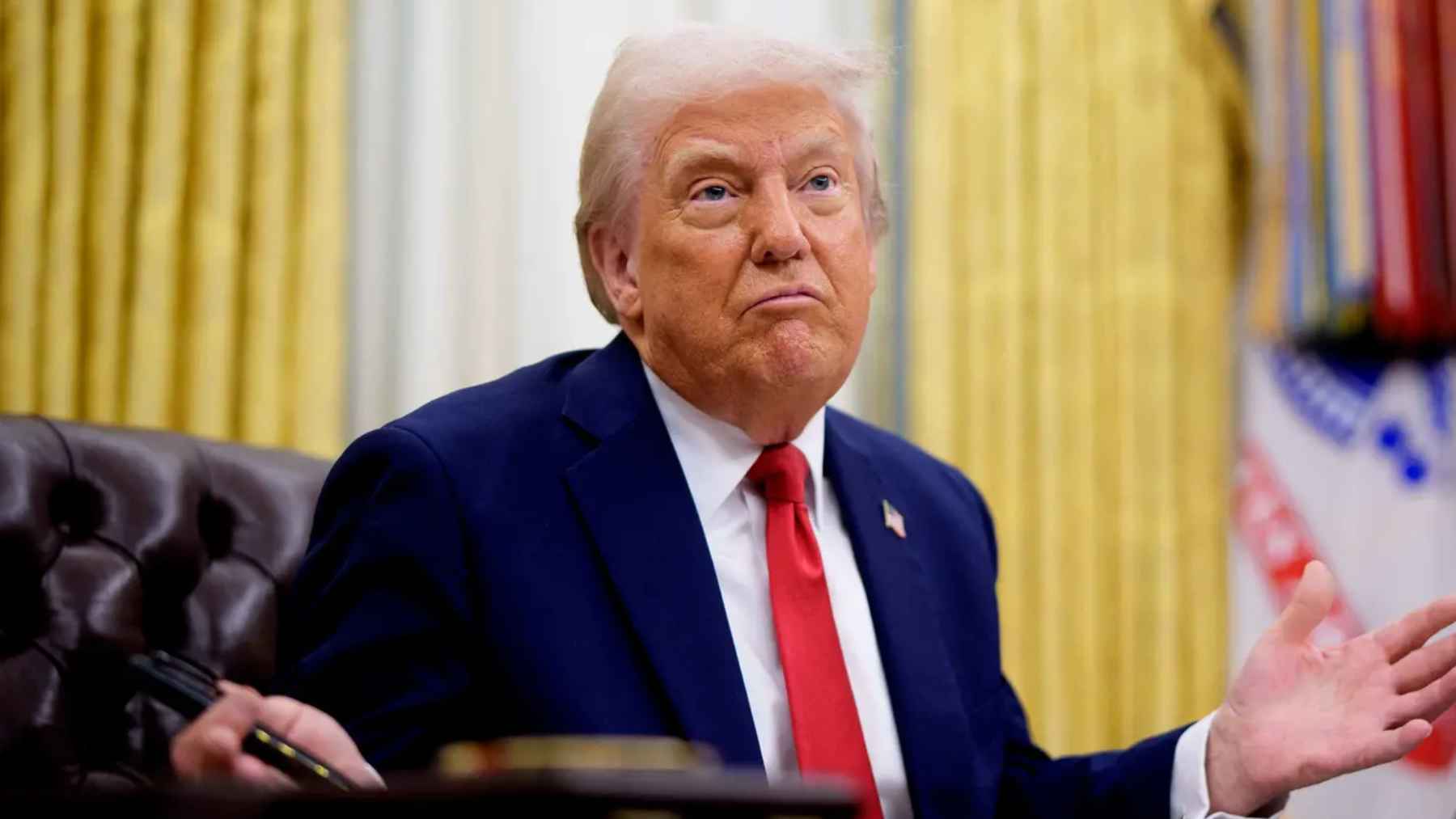
Americans hearing about $2,000 “tariff dividend” checks could be forgiven for feeling whiplash. In November 2025, President Donald Trump said adults would get $2,000 each, funded by his new tariffs. In a recent New York Times interview, when reporters asked when those checks would arrive, he answered “I did do that? When did I do that?” then quickly shifted to a separate $1,776 military bonus.
After that awkward exchange, Trump insisted the $2,000 payments are still coming and could show up “toward the end of the year.” Tariff revenue would fund fresh cash for households, echoing pandemic era stimulus checks and reinforcing his “America First” message.
Congress budget rules and Kevin Hassett’s warning
Trump first floated the dividend in a Truth Social post that promised “a dividend of at least $2,000 per person” for everyone except high-income earners.
Later, White House economic adviser Kevin Hassett told CBS that any checks would depend on Congress, since federal spending has to be approved in a formal budget, and said tariffs were only one possible funding source.
Tariff revenue numbers and why economists are skeptical
Analysis helps explain why experts are skeptical. Investopedia, using data from US Customs and Border Protection, reports that tariffs raised about $216 billion in the 2025 fiscal year and just over $90 billion in 2026, while economists estimate that sending $2,000 to most adults would cost $300 to $600 billion, far more than today’s tariff revenue.
The military bonus Trump cited as proof that tariff cash is already flowing tells a different story. Defense One and The Washington Post found that the $1,776 “warrior dividend” for troops came from $2.9 billion in housing assistance that Congress had already approved, not from import taxes, a reminder to read the fine print on feel-good payouts.
Clean-energy costs, tariffs, and the electric bill
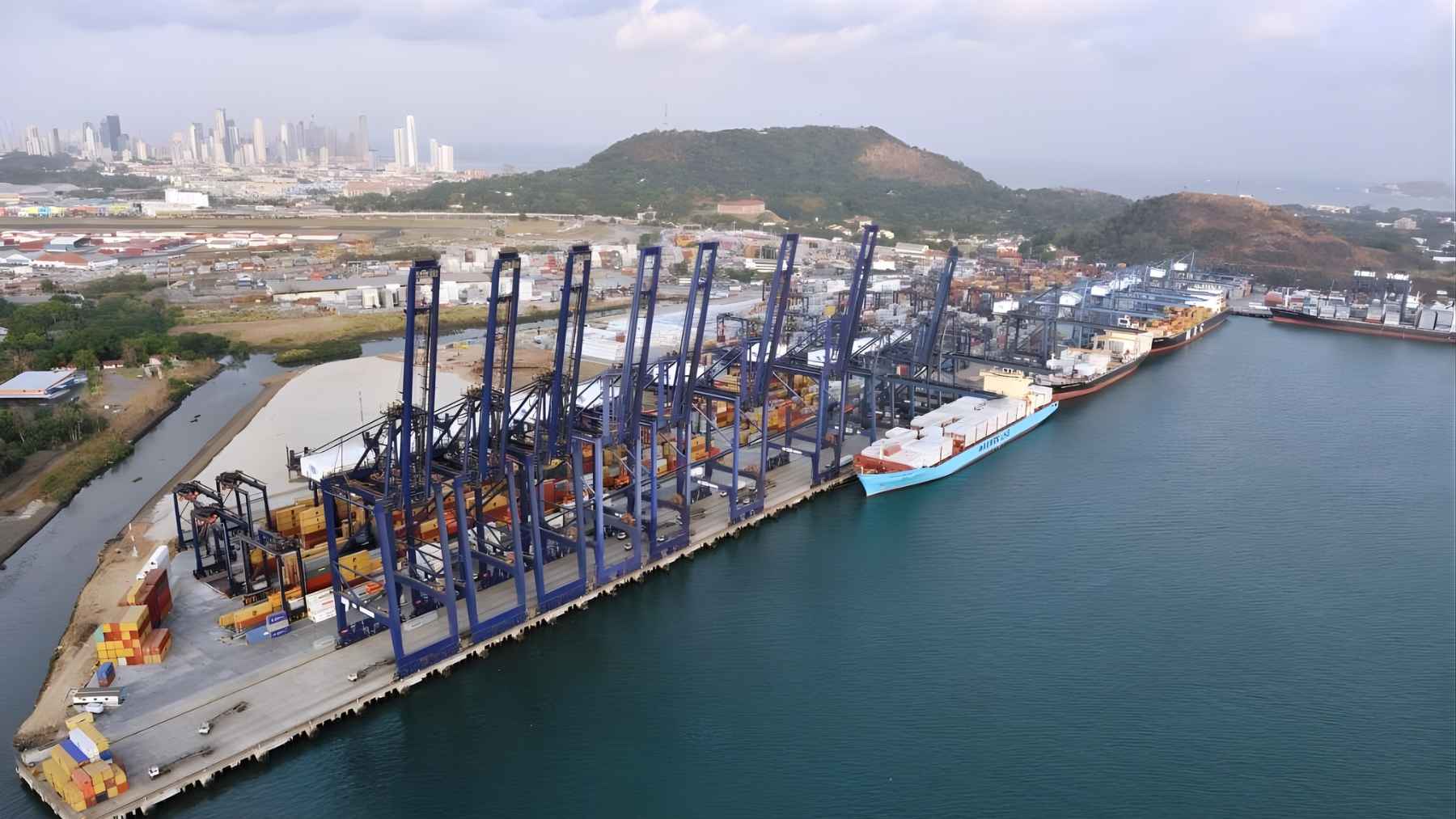
So what does any of this have to do with the climate crisis and your electric bill. Quite a lot. Those same broad tariffs apply to a range of imported goods, including industrial equipment and clean technology parts, and researchers warn that they raise the cost of building wind farms, solar arrays and battery factories in the United States or push companies to cancel projects.
In early 2025, Washington Post reporting documented a wave of canceled electric vehicle and battery plants in states such as Georgia and Arizona as companies grappled with policy whiplash on tariffs, tax credits and pollution rules.
Those scrapped investments threatened thousands of jobs and slowed the move away from fossil fuel cars, even as China surged ahead on electric vehicle manufacturing.
Carbon dioxide emissions and the Carbon Brief study
A study by Carbon Brief looked at the climate impact of Trump’s trade war and reached a sobering conclusion. The tariffs might trim global carbon dioxide emissions by about 0.3% in 2025, while the longer-term damage to clean energy investment could outweigh those tiny gains and leave higher prices and uncertainty for low-carbon technologies as the more likely legacy.
For households juggling rent, groceries and that summer air conditioning bill, a $2,000 check would feel real. Climate policy experts say that if tariff revenue goes back to families, it should be paired with clear support for clean energy so that working people are not paying extra twice.
For now, the tariff dividend remains a slogan rather than policy. Legally, Congress still controls federal spending and the Supreme Court is weighing key pieces of the tariff program, while environmentally the tariffs are already reshaping supply chains for energy, transport and heavy industry with effects that may last much longer than any one time check.
The study was published on Carbon Brief.