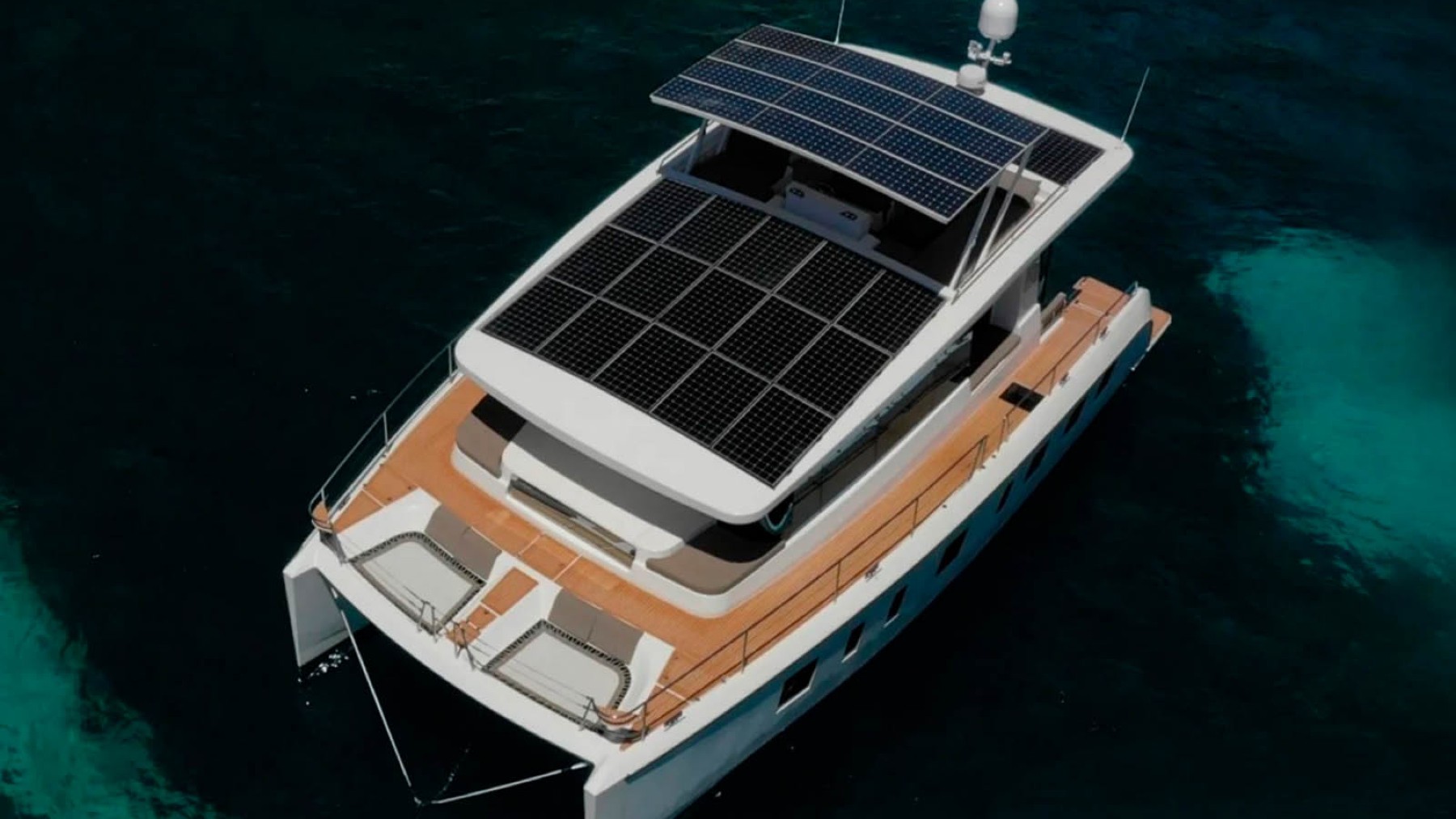
As electric technology continues to revolutionize transportation, it’s not just cars that are making the switch to electric power. The first “Tesla of the seas” is set to set sail, marking a significant step toward sustainable maritime travel. Just as Tesla has transformed the automotive industry, this new electric vessel promises to reduce emissions and offer a greener alternative for the maritime industry.
The fist “Tesla” of the seas set to hit the market
Startup Arc Boats is set to release its $258,000 Arc Sport boat, following the success of its $300,000 luxury cruiser, the Arc One. The company has noticed growing interest from boat owners who are looking for quieter, more reliable, and cost-effective alternatives to gas-powered boats. Arc Boats’ CEO, Mitch Lee, launched the company in 2021 with his friend Ryan Cook, using proceeds from selling a personal finance app called Penny.
Lee’s vision of electrifying boats had been brewing since 2008 when Tesla first introduced its electric car, sparking the idea that electric technology could someday revolutionize the boating industry. Initially targeting affluent customers with high-end, luxury vessels, Arc Boats is catering to a niche market eager to embrace cutting-edge technology.
However, the growing appeal of sustainability and environmental consciousness may expand the market for electric boats, eventually making them more accessible to a broader audience. The shift to electric boating mirrors broader trends in transportation, where clean energy solutions are rapidly gaining traction across industries.
Jonathan Coon among elite customer base
One of Arc Boat’s affluent customers is Jonathan Coon, CEO and co-founder of 1-800 Contacts, an American contact lens retailer. Coon has nothing but praise for the electric vehicles, describing them as efficient and a pleasure to use.
“My view on boats had always been that the best kind of boat is someone else’s boat because they can be such nightmares,” said Coon, “but that’s not the case now. These guys just nailed every little detail on an electric boat that’s just fun to use.”. Coon is set to be the first customer who will be purchasing the Arc Sport. The Arc Sport is intended for designed for popular water activities like wakeboarding and water skiing.
“There’s a lot of enthusiasm for a product like this, because it solves all these core pain points that gas boat owners have today,” said Lee. The boat is equipped with display screens, sensors, Wi-Fi, and a hydraulic system to raise and lower the roof with even aspirations for the boat to include technology to have it autonomously dock. Coincidently, Tesla has been in the news lately with regards to their own autonomous driving function.
Tesla instrumental to Lee’s success
Lee gives all credit to Tesla for making his product possible in the first place. The success of Tesla and other electric vehicles helped establish a supply chain for batteries and essential components, making boat electrification feasible. Today, Arc Boats employs over 100 people, including former engineers from Elon Musk’s Tesla and SpaceX, bringing valuable expertise to the company.
However, the market for electric boats still remains relatively niche and it pales in comparison to the electric car industry. In 2021, global sales of electric boats were only $5 billion, with projections estimating they could reach around $17 billion by 2031, according to Allied Market Research. In comparison, global sales of electric cars exceeded $250 billion last year, highlighting the stark difference in market size.
Interestingly, hydrogen may be a faster expanding solution in the maritime industry than electric boats. The maritime industry is particularly well-suited for hydrogen adoption due to the ability to store large quantities of hydrogen for long-haul voyages, making it an ideal option for shipping, which often operates over vast distances. In addition, methanol could also be a possible alternative solution.