For a moment, it looked like woolly mammoths had clung to life in Alaska until the time of the Roman Empire. Then the lab calls started coming in, and the story changed completely.
Two fossil bone disks kept for more than 70 years at the University of Alaska Museum of the North were long labeled as mammoth vertebrae from interior Alaska.
Radiocarbon tests funded by a public “Adopt a Mammoth” program gave them startling ages between about 1,900 and 2,700 years. If that age had been real for mammoths, it would have rewritten the timeline of their extinction in mainland Beringia, where bones so far suggest they vanished around 13,000 years ago.
Instead, a closer look has turned the “last mammoths” into two very different giants of the ocean and reminded researchers that museum drawers can still surprise them.
A public mammoth hunt that found whales instead
The fossils were pulled from storage as part of Adopt a Mammoth, a crowdfunding project that lets anyone sponsor testing on a specific mammoth specimen. It sounds a bit like “adopt a star” or pitching in for a community garden, except the payoff is a better Ice Age timeline rather than fresh tomatoes.
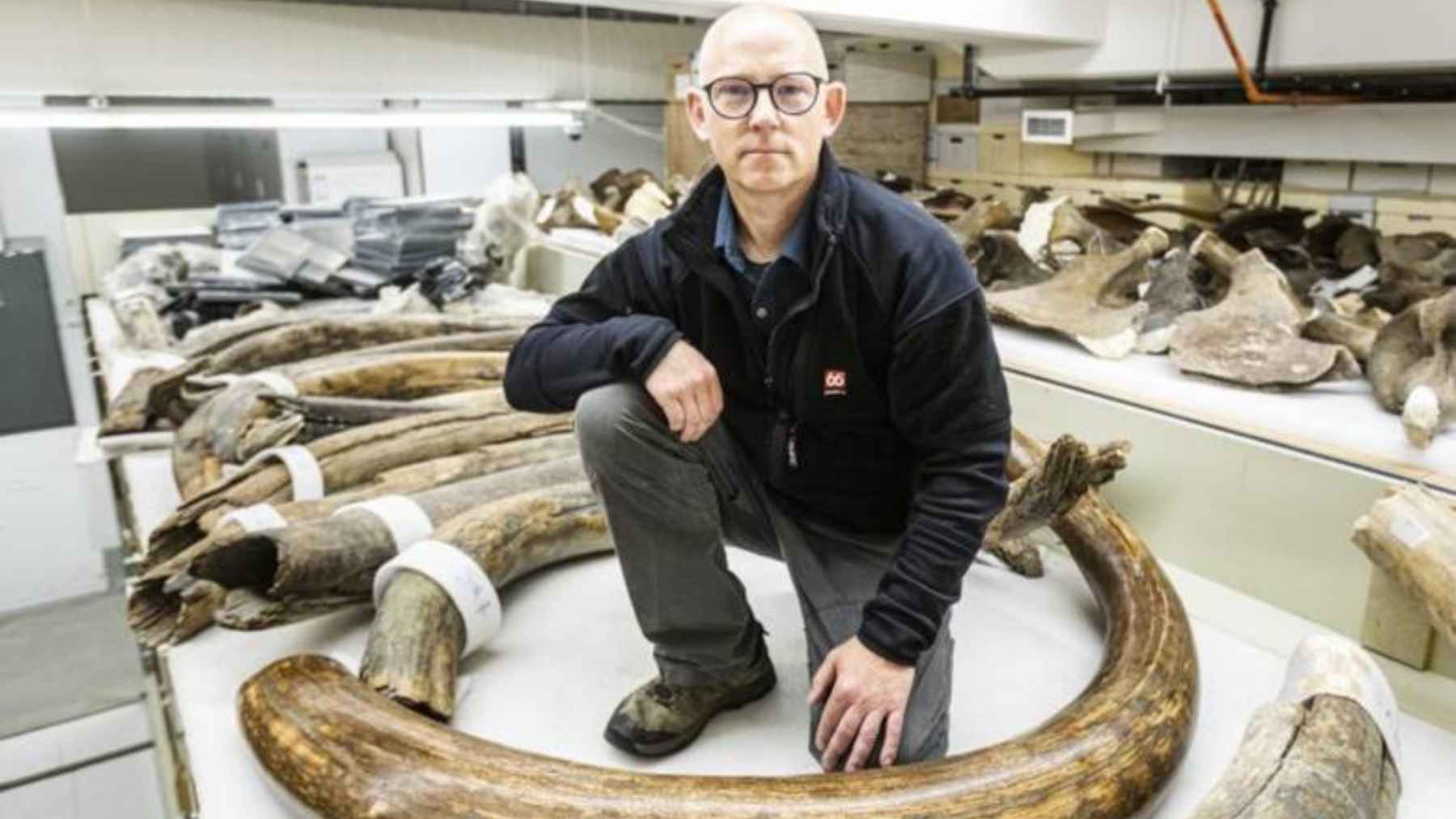
Led by researcher Matthew Wooller at University of Alaska Fairbanks, the team has dated more than 300 mammoth fossils this way, trying to pin down the very last survivors on the Alaskan landscape.
When a California lab reported that two “mammoth” growth plates from near Dome Creek north of Fairbanks were only a couple thousand years old, Wooller later recalled thinking they would be “the youngest mammoth fossils on the planet.” Then skepticism kicked in, and the team started what was essentially a forensic investigation.
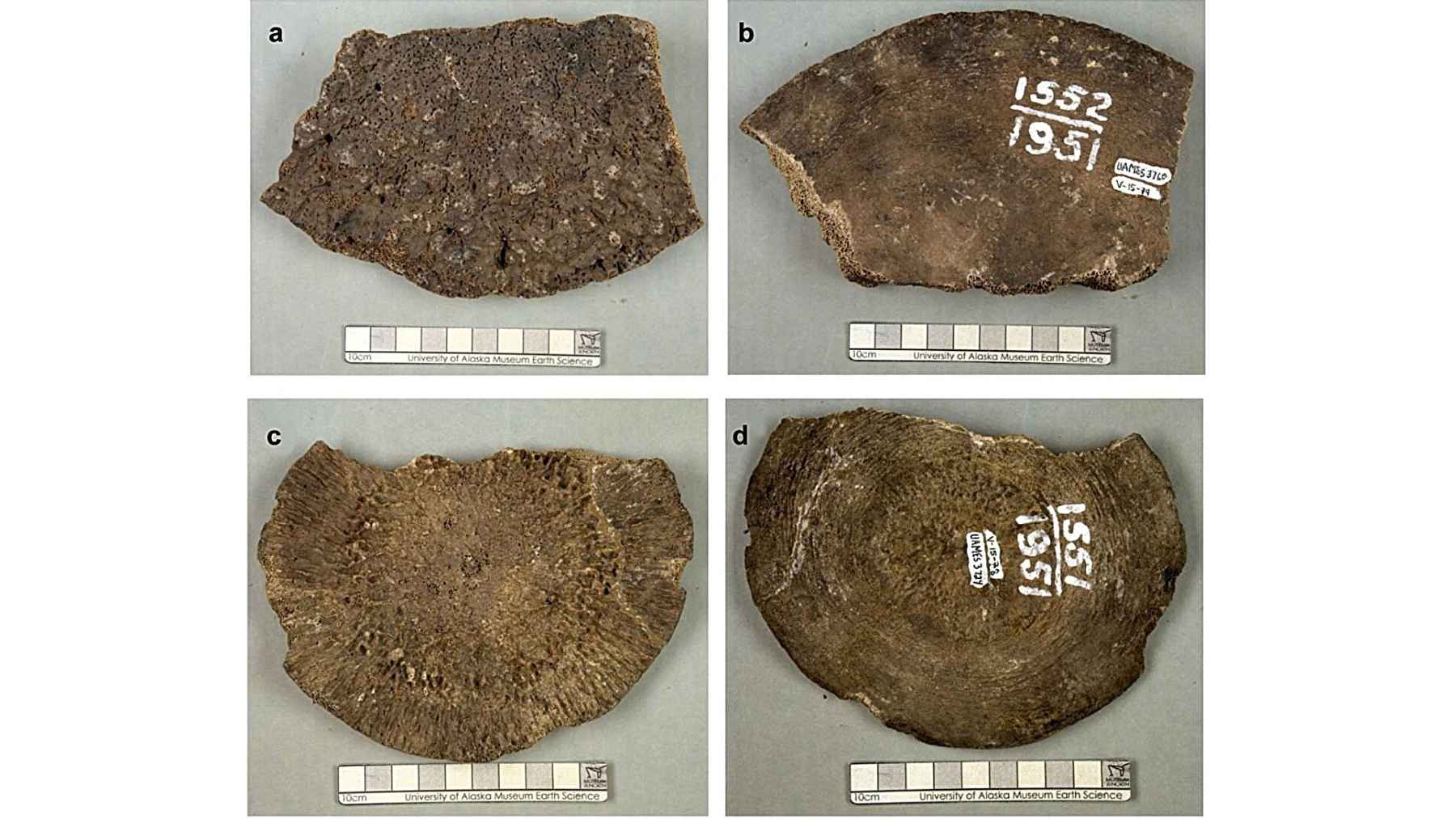
Museum fossil specimens long believed to be mammoth vertebrae were reidentified through isotope and DNA testing as whale bones.
Chemical fingerprints point to the sea
The first red flag came from stable isotope analysis. By measuring different forms of carbon and nitrogen locked into the bone, scientists can tell if an animal fed on grasses from cold steppe, coastal plants, or marine food webs.
For these two bones, the isotope values lined up with marine diets rather than the tundra vegetation that mammoths browsed. In simple terms, their chemical fingerprints looked like they belonged to animals that spent their lives offshore, not trudging across frozen plains.
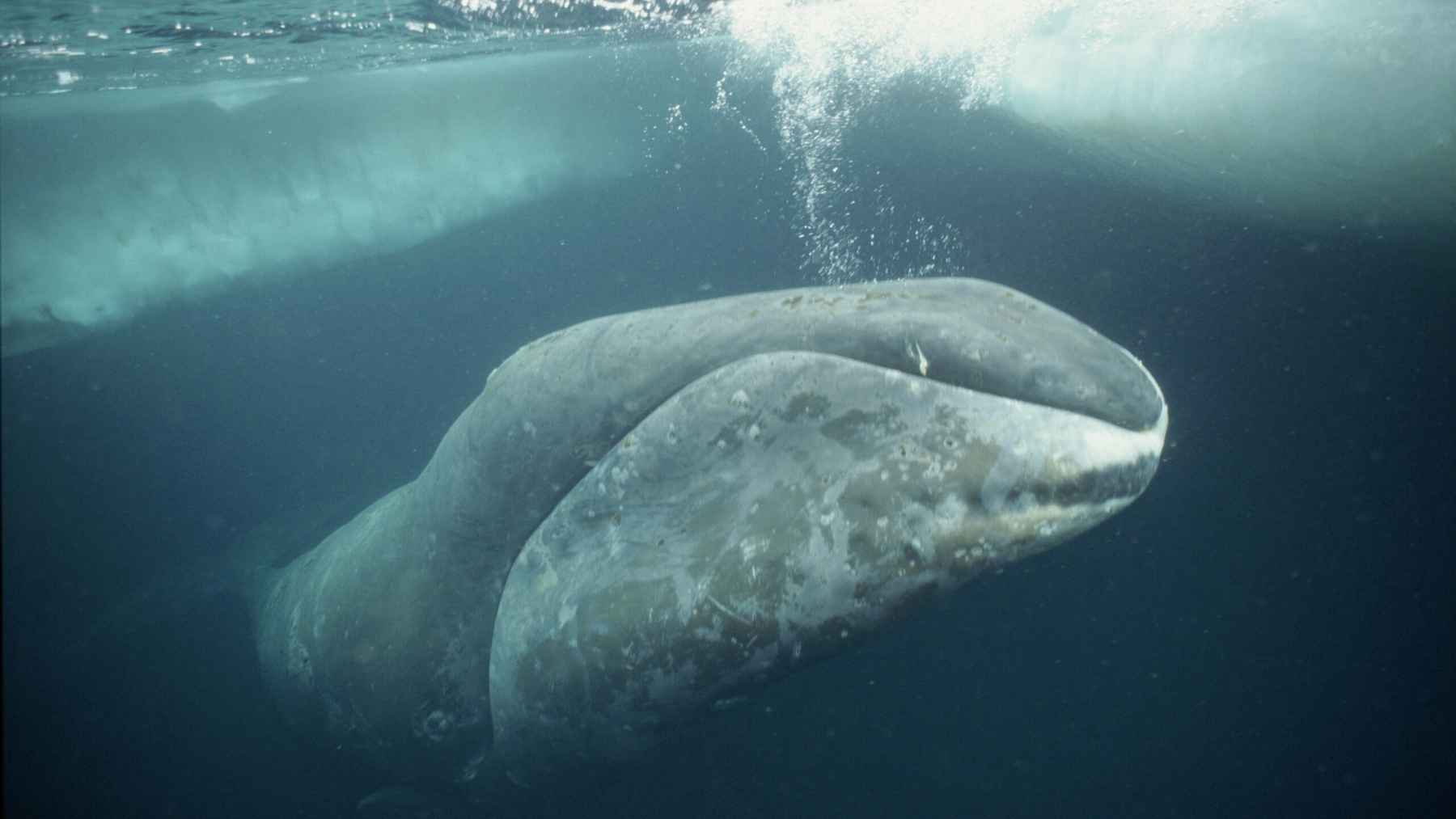
That hint from chemistry pushed the team to sequence ancient DNA. The genetic results were clear. One fossil belonged to a minke whale, the other to a North Pacific right whale. As the authors write, DNA testing “secured identities as whales and corroborated our stable isotope findings.”
Once the bones were known to be marine, the scientists recalibrated the radiocarbon ages to account for the marine reservoir effect, which makes ocean organisms appear older in raw tests. The whales turned out to be roughly 1,100 and 1,800 years old, still ancient but no threat to the mammoth extinction timeline.
So how did whales end up in the Alaskan interior?
Here is where the puzzle gets even stranger. The bones were reportedly collected in the early 1950s at gold mines around Dome Creek near Fairbanks, roughly 250 miles from the modern coastline.
Researchers outlined several possibilities. Maybe one or both whales swam far up the Yukon and Tanana river systems and died inland, although that seems unlikely for a right whale that normally strains plankton in coastal waters.
Perhaps ancient Indigenous communities traded or carried these whale bones hundreds of miles to use as tools or household objects. Archaeological sites in coastal Alaska do show whale bone used in everything from structural supports to carved items.
And then there is the most mundane explanation of all, which some museum workers will recognize immediately. Field collections from coastal and interior sites arrived at the same time, got sorted on the same day, and a few whale vertebrae may simply have been filed in the wrong box. A simple accession error would explain why “marine” bones came with an “interior” label.
For now, no single scenario can be confirmed. The team treats the inland whales as an open question rather than a solved mystery.
Why this matters for climate history and museums
At first glance, this might sound like a quirky labeling story from a faraway museum shelf. In reality, it ties directly into big environmental questions.
Scientists are still debating how much late Ice Age climate warming and how much human hunting contributed to mammoth extinction. To a large extent, that debate depends on getting their last appearance dates right.
If mammoths had survived in mainland Alaska until only 2,000 years ago, models of Arctic ecosystems, human migration, and even permafrost vegetation would need a serious rewrite.
Instead, the new work strengthens the picture that mainland mammoths disappeared around 13,000 years ago while small island populations hung on for several thousand years more. It also highlights how environmental DNA in permafrost, which hints at “cryptic” late mammoth populations, must always be balanced with well-vetted fossil dates.
There is a quieter message here too. Old collections matter. Public programs like Adopt a Mammoth do more than offer a feel good donation link.
In this case, as the authors note, an “unintended byproduct” of dating many bones was the discovery of a completely different conservation story involving rare whales that still struggle with ship strikes, noise, and changing Arctic seas today.
At the end of the day, two misidentified fossils have reminded researchers that climate history, extinction science, and museum record keeping are all tangled together. One mislabeled box in a basement drawer can echo into how we understand an entire lost ecosystem.
The study was published in the Journal of Quaternary Science.