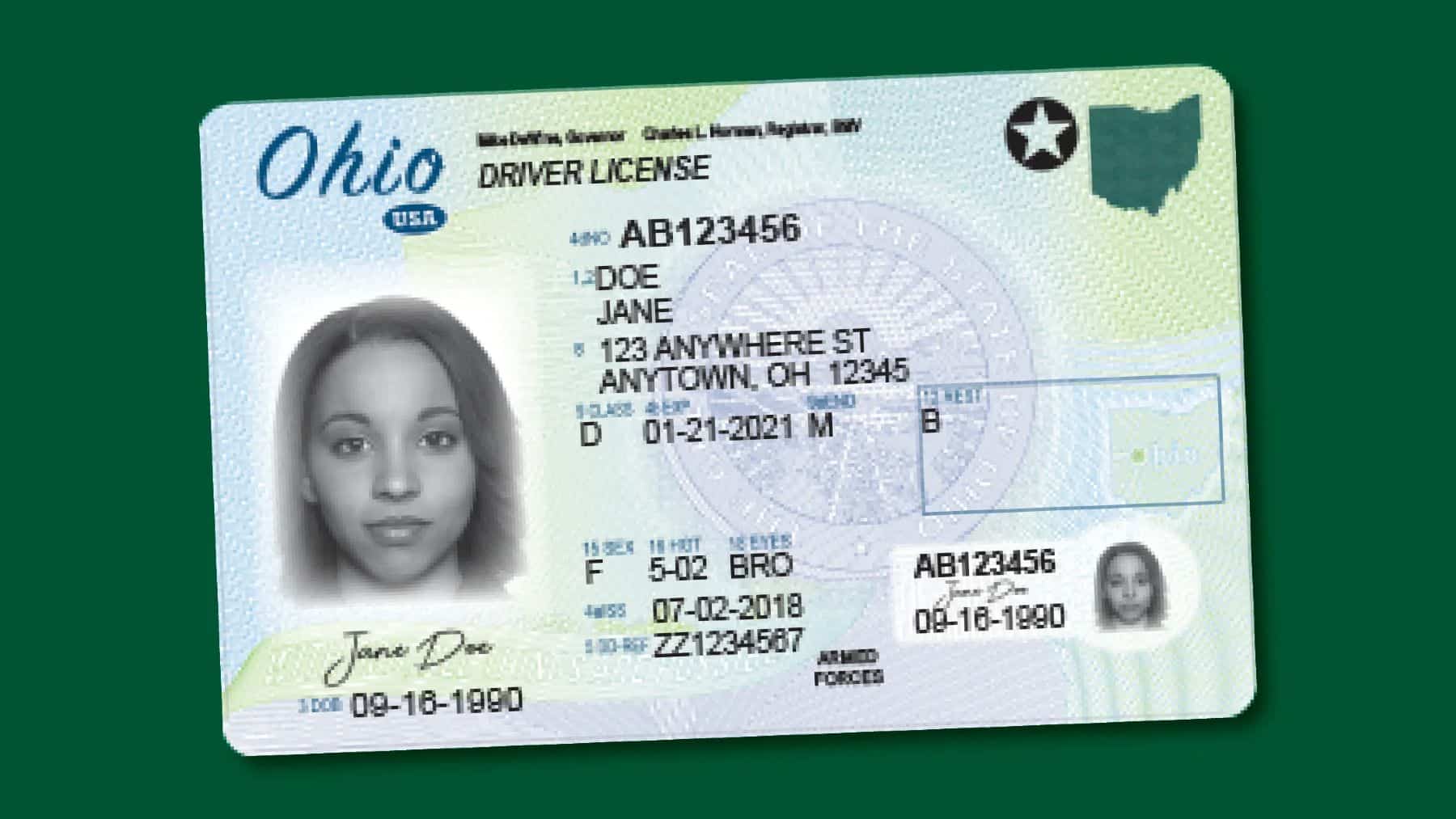
For thousands of Ohio drivers whose licenses were suspended due to unpaid court fines and fees, this is all soon to change. In just four days, a new state law will go into effect, automatically lifting these prohibitions and allowing eligible people to drive again. Hundreds of thousands of Ohioans may be impacted by the policy shift, which is intended to lessen financial burdens and increase mobility for low-income citizens who are notoriously disproportionally affected when it comes to paying for driving fines.
What does Ohio’s new law do for drivers?
HB29 in the Ohio Legislature will put an end to the procedure of suspending driver’s licenses for court fines and fees are not paid. In the past, a license suspension for nonpayment of traffic tickets, court fees, or other legal financial responsibilities made it more difficult for people to work, go to school, or meet other necessities. The bill was passed in December.
“House Bill 29 is smart, practical policy that will enable Ohioans to reinstate their licenses, drive to work, take their children to school, and participate more fully in their communities,” ACLU of Ohio Policy Council Patrick Higgins said in a statement. “A person’s ability to pay should not determine whether they are free to drive. We thank lawmakers for passing this legislation and are grateful that Governor DeWine signed it into law.”
What must you do to get your license reinstated?
If you currently do not have a driver’s license due to having unpaid fines, you will be notified automatically with instruction on the next steps you must do. Importantly, impacted individuals should know that no steps to apply foe the reinstation process will be needed. No fees will be required on your part, unless your license has been revoked for reasons outside of unpaid fines.
“This bill takes a significant step to giving more people a chance to work, which also provides businesses with an expanded pool of workers,” Towards Employment CEO Jill Rizika said in a statement. “Our community — businesses, workers and families — benefit when more people have more opportunity to participate in Ohio’s economy, earning the money necessary to resolve existing debt and build careers.”
Why the law is significant
The new law is a massive win for low-income individuals. Advocates and supporters of the bill have been calling for this change for years, claiming low-income drivers are disproportionately affected by license suspensions. This is due to these individuals becoming stuck in a cycle where they cannot afford to pay for the fines, which means they need to find alternative ways to find work, but they cannot drive to the location.
The number of suspended drivers who would be affected by the legislative change is unknown to state officials. An estimated 600,000 drivers in the state had their licenses suspended by a court order because they have not paid penalties and fees. According to a 2022 analysis, 60% of Ohio driver’s license suspensions were for non-driving-related reasons.
The new law in Ohio offers thousands of people who are struggling with court debt a new beginning and represents a significant change in the way the state handles driver’s license suspensions. The program seeks to end the cycle of poverty while maintaining road safety by giving economic justice precedence over punitive measures.
The new law in Ohio emphasizes how wealth inequality keeps low-income people in debt cycles. Licenses revoked due to unpaid penalties make it more difficult to find employment, which exacerbates financial hardship. By eliminating court debt bans, the approach lessens a structural obstacle that disproportionately hurts drivers who are already struggling financially. In order to ensure equitable access to economic opportunity and mobility, this reform emphasizes the need for more comprehensive solutions to income disparity.