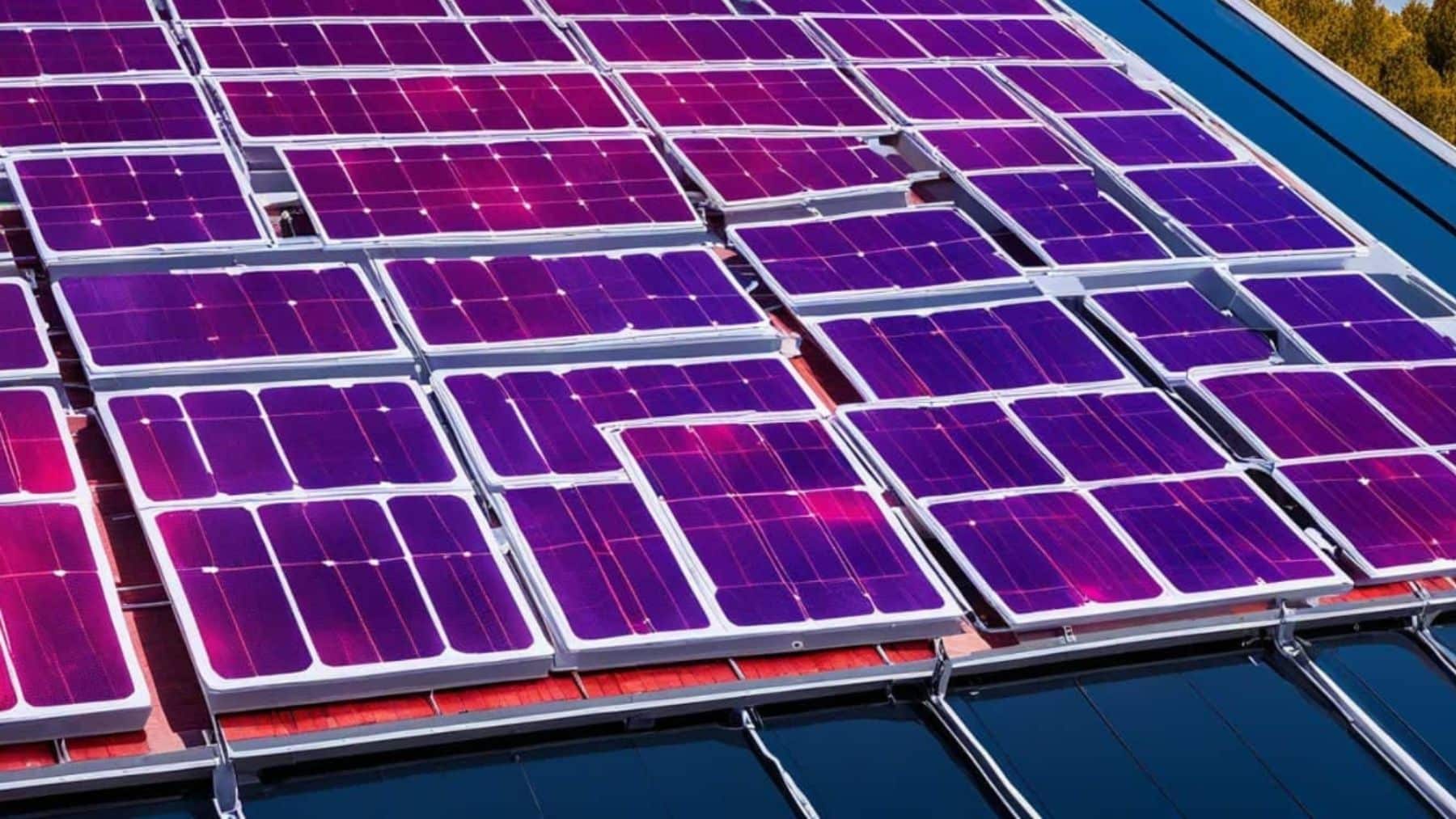
Perhaps the time has come to say goodbye to perovskite solar panels as we start to consider the future of kersterite, a material that is shocking the world. These kesterite cells seem to be shocking the world as researchers from the University of New South Wales (UNSW) broke the record by showing the kesterite solar cell’s efficiency potential. Perhaps the incorporation of kesterite in the solar energy game would mean improving what perovskites could mean for the solar future.
Breaking unimaginable barriers with perovskites
Thus far, kesterite (Cu₂ZnSnS₄, or CZTS) solar cells have not been fully considered in photovoltaic communities as they were known to produce low power conversion efficiency. The pull towards kesterite has always existed since they are made from earth-abundant and non-toxic materials such as copper, zinc, tin, and sulfur. While the interest in kesterite has always been there, its performance stagnated, and as such, it was far too often overlooked.
It was recently in January 2025 that Scientia Professor Xiaojing Hao at UNSW Sydney managed to gain a record of 13,2% efficiency that proves the material is not only useful but capable of possibilities previously believed impossible.
13,2% being the theoretical limit of efficiency is such a significant figure as it showed what many saw as hard limits for kesterite. With proper engineering, the possibilities in terms of kesterite know no bounds.
How did kesterite reach the theoretical limit of efficiency?
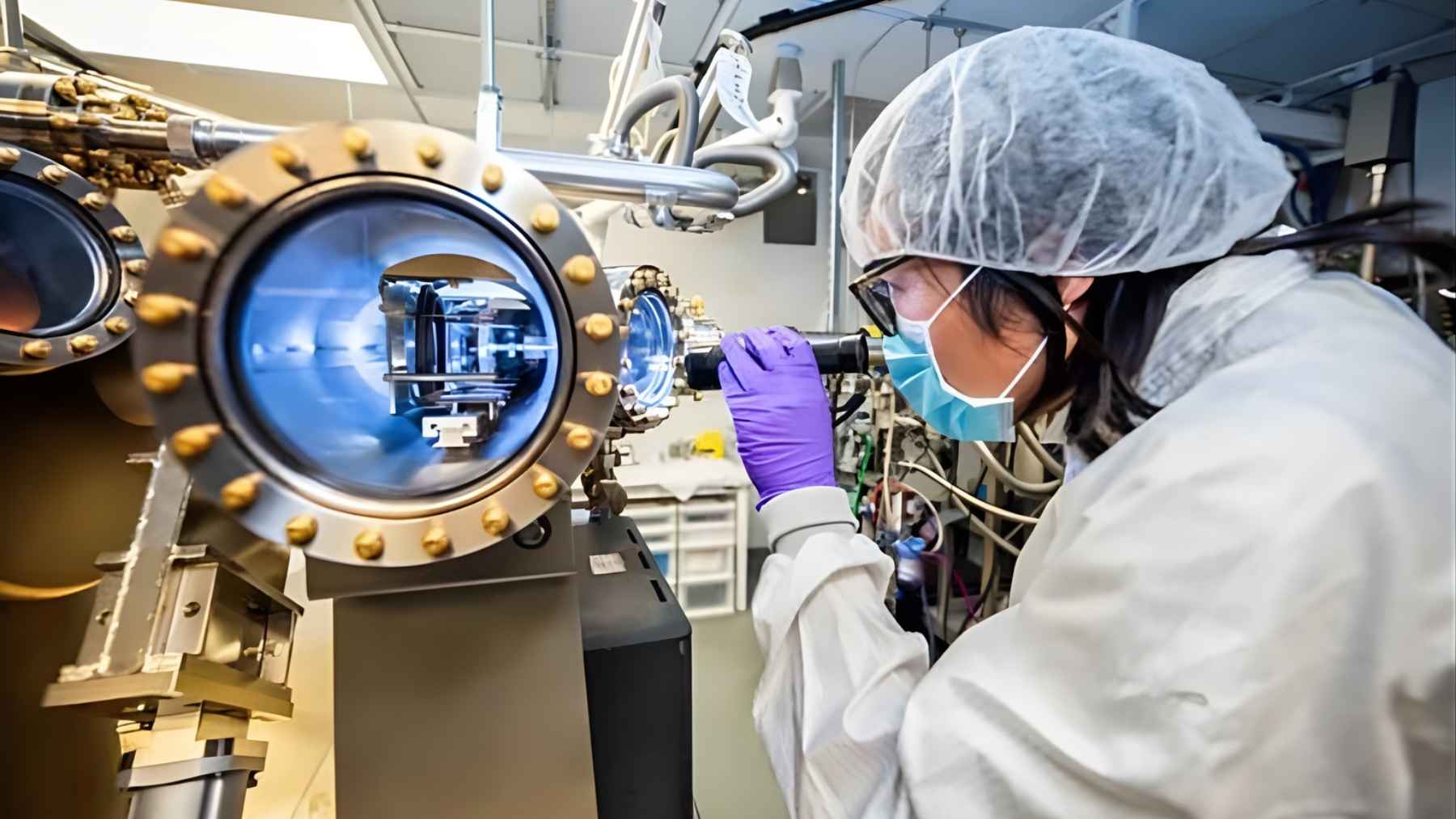
The feat was possible because of how hydrogen dramatically reduces performance-killing defects in the CZTS structure. The reason that the researchers in the UNSW team were so successful was that they considered a process whereby solar cells were solidified in a hydrogen-containing atmosphere.
By considering this hydrogen-filled atmosphere, the research team was able to get rid of various internal defects that hindered the performance of CZTS. Once these hindering factors were removed from the equation, the material was able to transport charges properly, accelerating the conversion of sunlight into electricity. According to Professor Hao, adding hydrogen takes care of defects and can lead to more efficiency.
Why could kesterites replace perovskites?
Although perovskites have always been efficient, there are setbacks to relying on these perovskites. The poor stability and toxicity of these materials when utilized in real-world conditions are certainly factors worth considering. Over time, perovskites tend to degrade due to heat and even moisture, making this material far less durable.
Kesterite is a material that is rather stable, non-toxic, and created from materials widely accessible. Furthermore, using kesterite is a low-cost solution, especially when it comes to scaling up the sustainability agenda. At this point, Professor Hao suggests that silicon modules have reached their theoretical limit, and other materials can be employed to push this limit further. Kesterite theoretically makes the cut.
Are we saying goodbye to perovskites for good?
Perovskites will certainly still cut and will always be seen as the impossible material breaking the laws of physics. Therefore, perovskites will surely be considered for years to come in niche applications and during experimentation. Nevertheless, kesterite’s positive qualities and attractive production costs would be a much better bet. When it comes to kesterite, the UNSW team is rather optimistic, noting that with a 20% efficiency not far out of reach, the promise of this material as a real-world solution cannot be denied.
Kesterite’s role in solar power
Not perovskite, not silicon, but an impossible material makes solar panels perform strangely enough to be considered the ideal solution for the future of solar. With the demand for a scalable clean energy source being required, perhaps kesterite’s role in the future of solar power cannot be denied.