Solar energy has become one of Spain’s key resources, to the point that it already accounts for 34% of the total electricity produced in our grid. This extensive photovoltaic power grid has attracted investments such as this company from the Netherlands that is going to produce green ammonia in Spain. With these new solar panels, we could get even 40% more electricity from the same cells.
New ultra-efficient solar panels: a milestone never before achieved in photovoltaics
Solar energy is one of the great discoveries of our century, and Spain is where we have invested the most in this clean and renewable alternative source. Today, large solar farms can be seen scattered all over the country, as well as self-consumption panels installed on roofs and balconies of buildings and country houses.
However, there is still a major obstacle to solar energy being able to replace other more widely used polluting sources. This is the dependence on daylight hours to achieve the maximum possible efficiency of each photovoltaic cell. This is compensated by mechanical solar trackers, but they are costly and unfeasible for self-consumption.
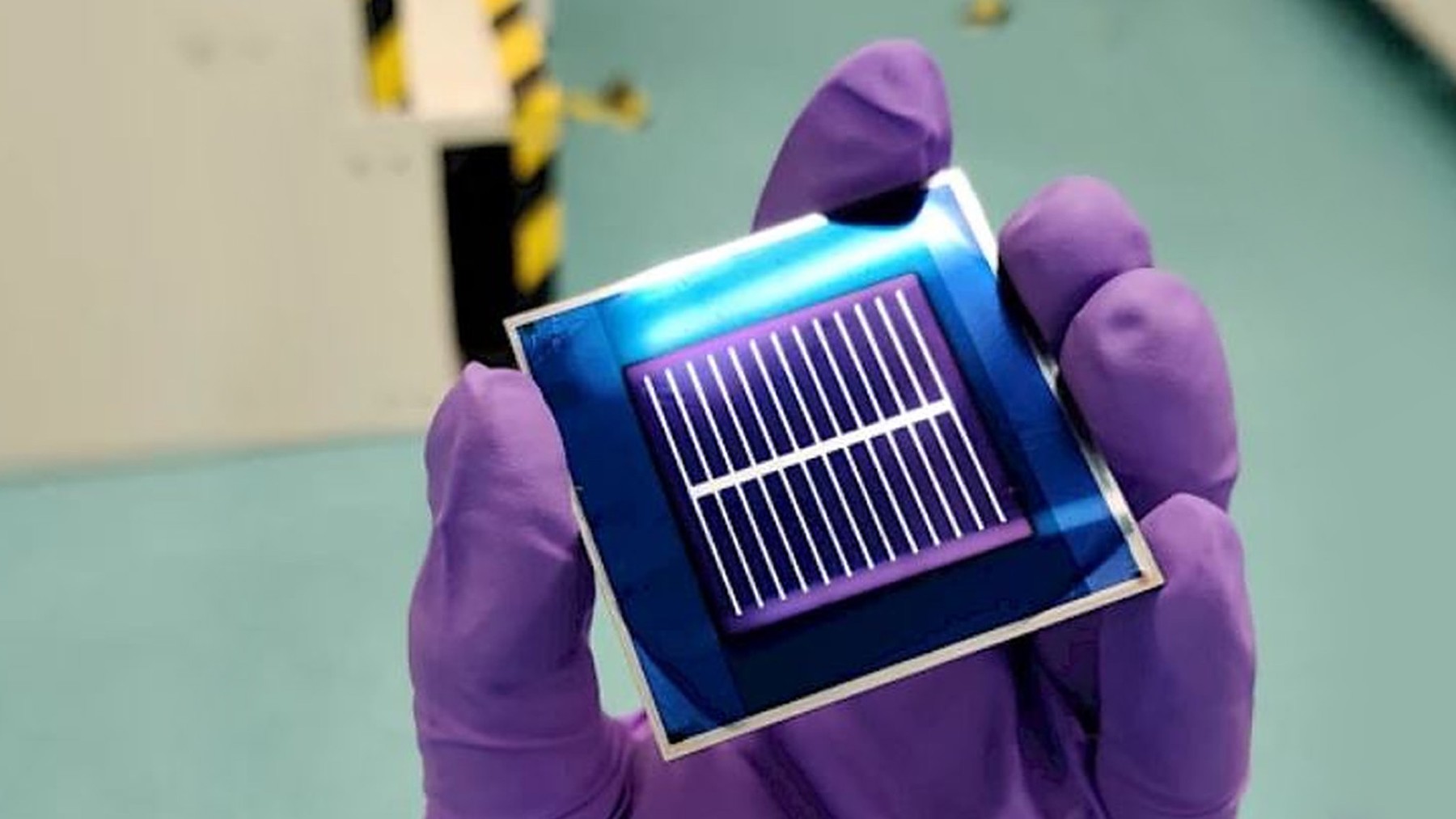
The perfect solution to overcome this major obstacle comes from a team of engineers in India, who have discovered a new type of glass for solar panels that can offer a 20% to 40% increase in energy production. The secret lies in software based on artificial intelligence that can design the most efficient structure for the glass.
Geometry is the key: this is how they have managed to “decipher it”.
The intelligent solar tracking systems that are commonly used in large photovoltaic plants are considerably large and complex. This is a great solution when producing solar energy on a large scale, but for self-consumption, it is impossible to rely on this type of technology, so only a few hours a day are used.
To compensate for the inconvenience of costs and installation, three engineers working at Cisco decided to launch themselves for a personal project. From there was born, in 2017, Renkube, a sustainable project to create new prototypes of more efficient solar panels that are able to take advantage of all the hours of the day without the inconvenience of mechanical trackers.
After several years of testing and prototyping, they have achieved the first viable model based on a prismatic glass for the surface of the photovoltaic cells. Through patent-pending software, they can introduce a series of parameters based on environmental conditions so that the crystalline structure can redirect sunlight whatever the position of the sun at the time.
Up to 40% more efficient: watch what they do with the light when they receive it
The Renkube team spent nearly a decade developing and testing prototypes with the answer, which lies in producing a layer of glass for the surface of solar panels that is capable of redirecting light. The tracking algorithm that allows these panels to harness more sunlight is based on the movement of sunflowers and mimics it through the crystalline structure.
The final price for these new solar panels is expected to be 10% higher than traditional panels. However, thanks to the increased electricity production and simple installation, payback is expected to be much faster, a maximum of two years according to engineers.
Spain, in the race for solar energy
Solar energy production has risen in the last year to 67,000 kW/h and is expected to continue increasing, especially after the interest that our country has awakened for the generation of new green fuels. This new technology is expected to allow our panels to generate much more energy in exchange for a simple change in the glass that covers the photovoltaic cells.