Humans and dogs have lived side by side for thousands of years, but the explosion of modern breeds is surprisingly recent. Smith and Cobb point out that people have created more than 400 distinct breeds, many of them within the past two centuries, by tightly controlling which animals are allowed to mate.
Early on, most dogs were shaped to do jobs such as herding, guarding, or hunting. Over time, especially in wealthier societies, breeding priorities shifted from working ability to appearance, making it more important that a dog looked cute in the living room than efficient in the field.
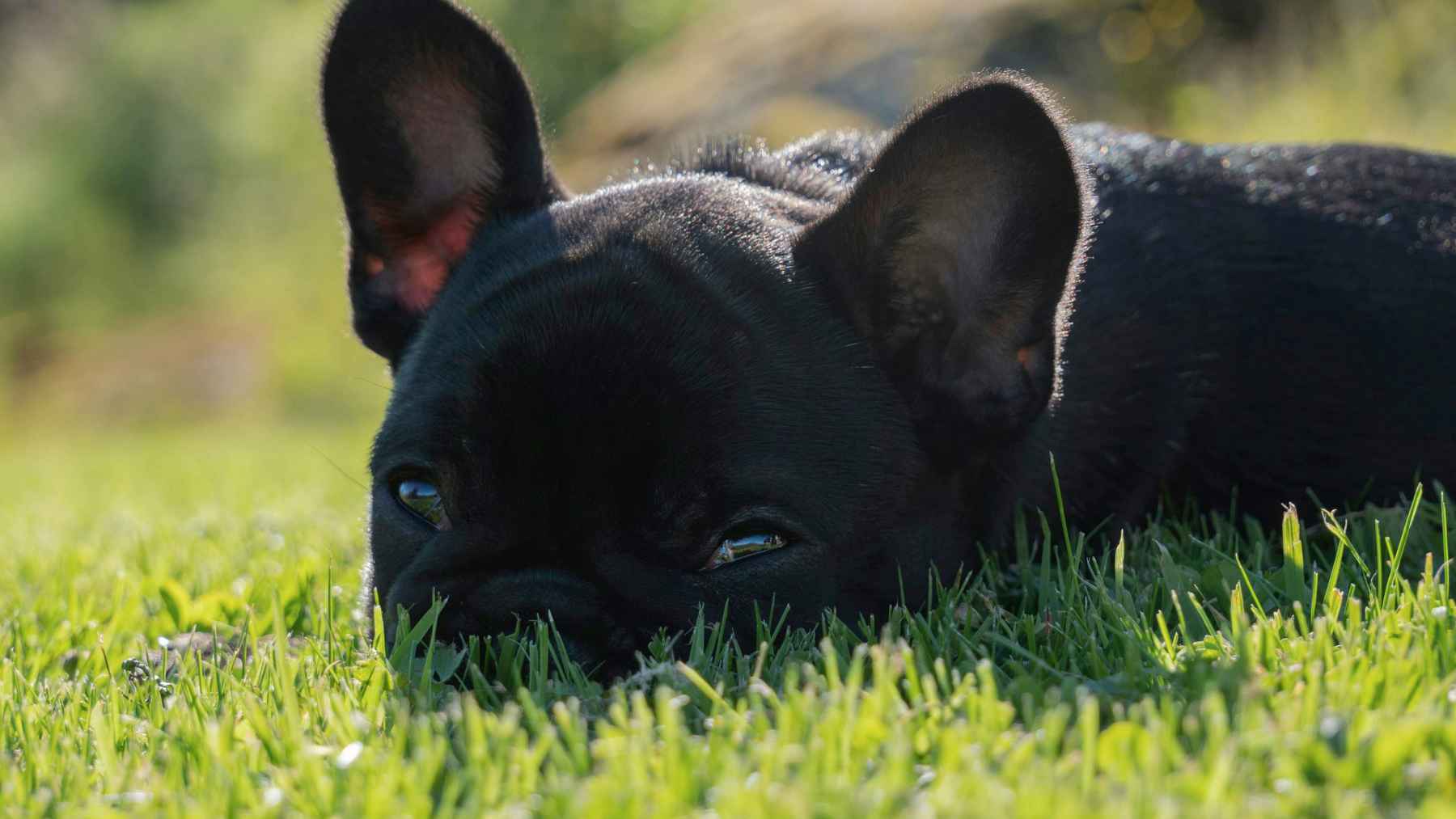
That shift came with a cost. Flat-faced dogs with big eyes, long-backed dogs with tiny legs, or toy-sized companions started to dominate social media and city sidewalks, even though those same traits are linked with breathing difficulties, fragile spines, and problem births.
Some popular breeds such as French Bulldogs and Chihuahuas often need cesarean surgery to deliver puppies because the babies’ heads are too large for the mother’s pelvis, a clear sign that human taste has outrun natural design.
If people vanished, which dogs would survive
Smith and Cobb estimate that only about one fifth of the planet’s roughly one billion dogs live as beloved pets inside human homes. The rest are free-ranging animals that roam streets, markets, and farmyards, surviving on kitchen scraps, dumped food, and whatever else they can scavenge near people.
If humans suddenly disappeared, that steady flow of trash would vanish too. Natural selection would quickly favor dogs that can hunt, digest rough food, handle disease, raise their pups, and cope with heat or cold, while animals that lack these traits would gradually fade out.
Veterinary care would be gone as well, so breeds that rely on surgery to give birth or daily medicine just to breathe would be in serious trouble from the start. In a widely-shared news report, professor Dan O’Neill of the Royal Veterinary College argued that if humans vanished, all those different types of dogs would quickly interbreed and “morph back into one” within about five years, leaving only animals with bodies that can cope on their own.
What the “ultimate dog” would look like
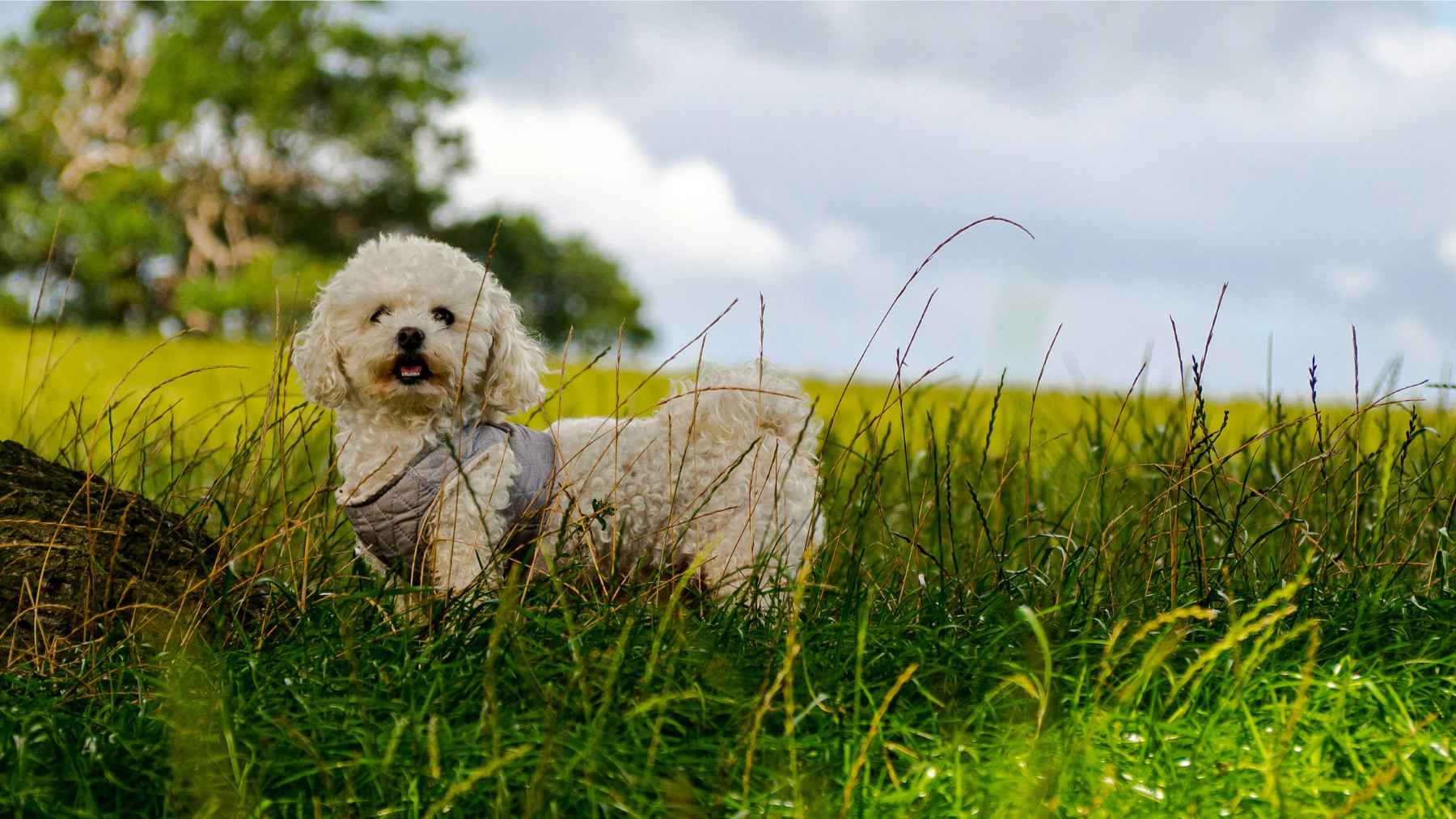
In their thought experiment, Smith and Cobb expect that unrestricted mating would eventually settle on a fairly uniform village dog look. These dogs tend to be medium in size, with balanced bodies, short coats in a mix of colors, and upright ears and tails, traits already common in many free-ranging dog populations across Africa and Asia.
Reporting on O’Neill’s ideas in The Science Times describes this animal as an “ultimate” or “Goldilocks” dog. In that coverage, he suggests that once humans are gone, extreme body shapes would disappear and natural selection would favor a lean, long-legged, narrow-headed dog with a long snout, upright ears, a curled tail, and a short but practical coat, a body built to run, sniff, and stay alert all day without falling apart.
Genetic research on village dogs in Vietnam fits this picture to a large extent. A 2023 study in the open access journal Animals found that Vietnamese village dogs have very high genetic diversity and ancient lineages, and the authors argue that related Southeast Asian dog populations helped give rise to Australia’s dingoes, suggesting that this tough, medium-sized form is a stable outcome of natural selection rather than a new invention. These dogs usually have agile builds and climate-ready coats, much like the “ultimate” dog described by O’Neill.
What this thought experiment says about how we treat dogs
None of these experts are hoping for a world without people or pets. Instead, they use the doomsday scenario as a mirror, showing how far modern breeding has drifted from what a healthy dog would need if it ever had to fend for itself. If only certain shapes and behaviors can survive without constant medical help, it becomes harder to ignore the suffering built into some fashionable breeds.
O’Neill and other veterinarians now talk about “innate health” rather than simply asking whether a dog has a diagnosed disease, a theme he explored in detail on the Vet Voices On Air episode “When Cute Hurts,” which focused on flat-faced and other extreme breeds.
In everyday terms, that means asking whether a dog can run, sleep, play, cool down in summer, and age without constant struggle, not just whether it matches a pedigree picture.
For people choosing a puppy or adopting from a shelter, the world without humans offers a simple test. If a dog could thrive in that harsher world, chasing its own dinner and raising pups in bad weather, it is more likely to live a full, comfortable life beside our sofas and at the dog park too. Thinking this way nudges us away from extreme looks and toward dogs that are built to be dogs first and companions second.
The study was published on the journal Animals website.