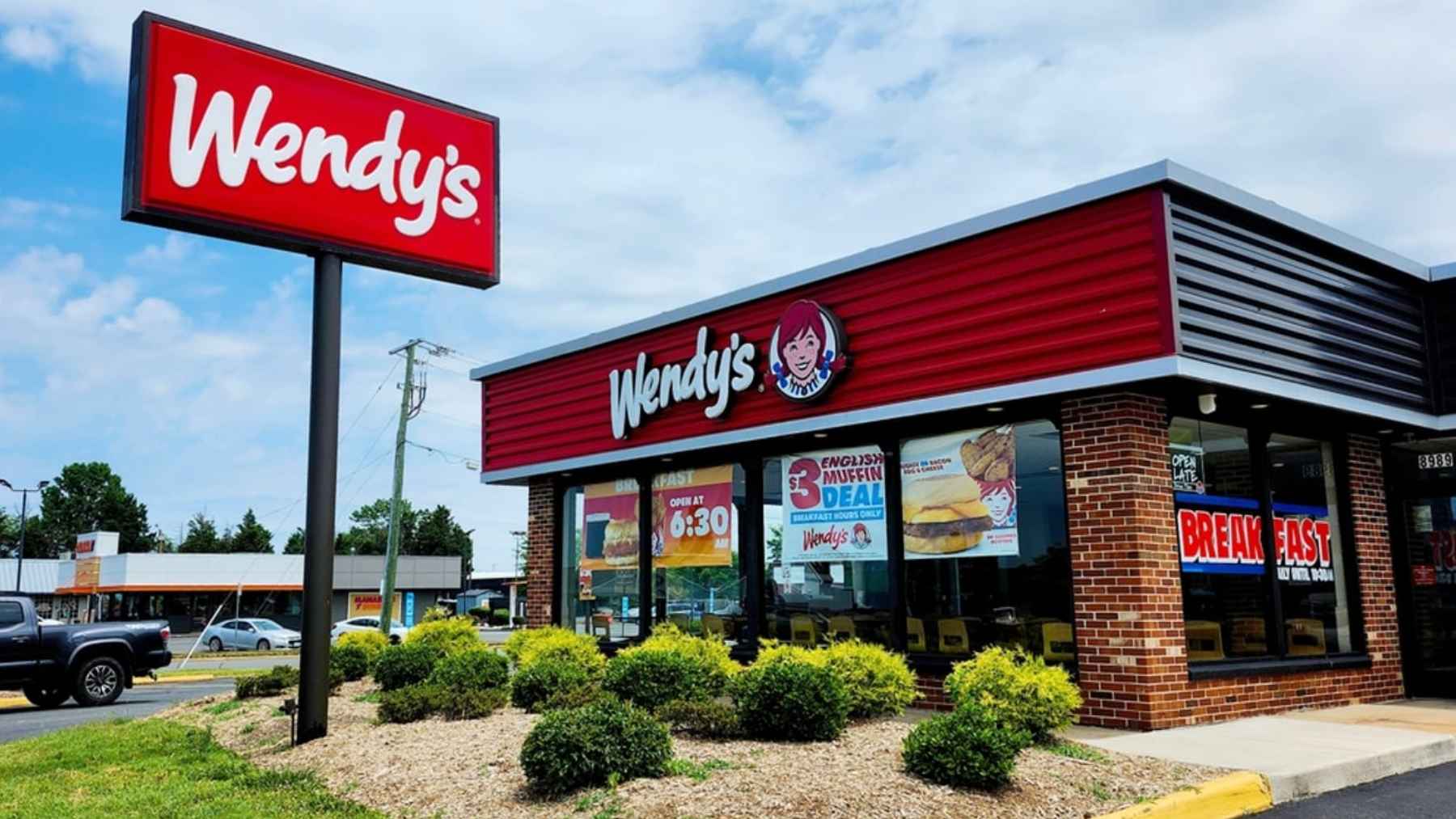
Fast food chain The Wendy’s Company is preparing to close hundreds of restaurants across the United States, turning a familiar red sign into a goodbye message for many neighborhoods. By the company’s own estimates, between 200 and 350 locations will shut their doors for good as part of a sweeping restructuring plan.
Interim CEO Ken Cook told investors that roughly 5% to 6% of the chain’s roughly 6,000 U.S. restaurants will be permanently closed, mainly those that are losing money or no longer match the image the brand wants to project.
Behind that decision sit falling sales, inflation that has pushed lower-income customers to tighten their budgets, and older stores that the company now sees as a financial burden for franchise owners.
Why hundreds of Wendy’s restaurants are shutting down
In recent quarters the burger chain has seen its U.S. same restaurant sales fall by about 5% to 6% compared with the previous year. Systemwide U.S. sales also declined in 2025, even as some global markets managed modest growth.
Analysts and company leaders point to a clear pattern. Many customers with tighter budgets are cutting back on spur of the moment fast food runs and focusing more on groceries, rent, and other essentials, which hits lower traffic locations the hardest.
Company documents describe the targeted restaurants as underperforming units that no longer “elevate the brand” and weigh on franchise profitability. Cook has said that “having the right restaurant footprint in each market is critical to profitability,” and closing weak sites is meant to push more sales toward stronger nearby locations.
Where and when the closures will happen
The chain has signaled that the wave of closures began in late 2025 and will continue through the first half of 2026, as part of what it calls an aggressive turnaround effort. In practical terms that means hundreds of addresses will quietly disappear from the restaurant map over the next few months.
So far the company has not released a full public list of locations at risk.
Reports of recent shutdowns already include restaurants in the Midwest as well as in states such as Texas and California, with specific examples in cities like West Lafayette in Indiana and Stockton in California, where traffic and local demand were not enough to keep restaurants open and, in other parts of the country, similar pressures have already led chains to close their doors one after another.
What this shake up means for customers and workers
For regular customers, the impact will depend on where they live. In some areas the next Wendy’s may only be a short drive away, while in others the closure of a single store could mean the end of a convenient stop for a quick burger on the way home from work or after a late game.
That is the trade off at the end of the day when a company tries to boost averages by trimming the weaker branches of its network.
At the same time, the chain is rolling out a broader strategy known as Project Fresh, which focuses on value deals, updated technology, and remodeled restaurants that promise faster service and a more modern look.
The plan, introduced in an official press release, is billed as a “comprehensive strategic plan” aimed at revitalizing the brand, improving operations, and using capital more efficiently so that the locations that remain can feel more attractive to price sensitive diners.
The official press release was published on the investor relations website of The Wendy’s Company.