What if one nasal vaccine could help during the weeks when coughs, stuffy noses, and itchy eyes all seem to arrive together?
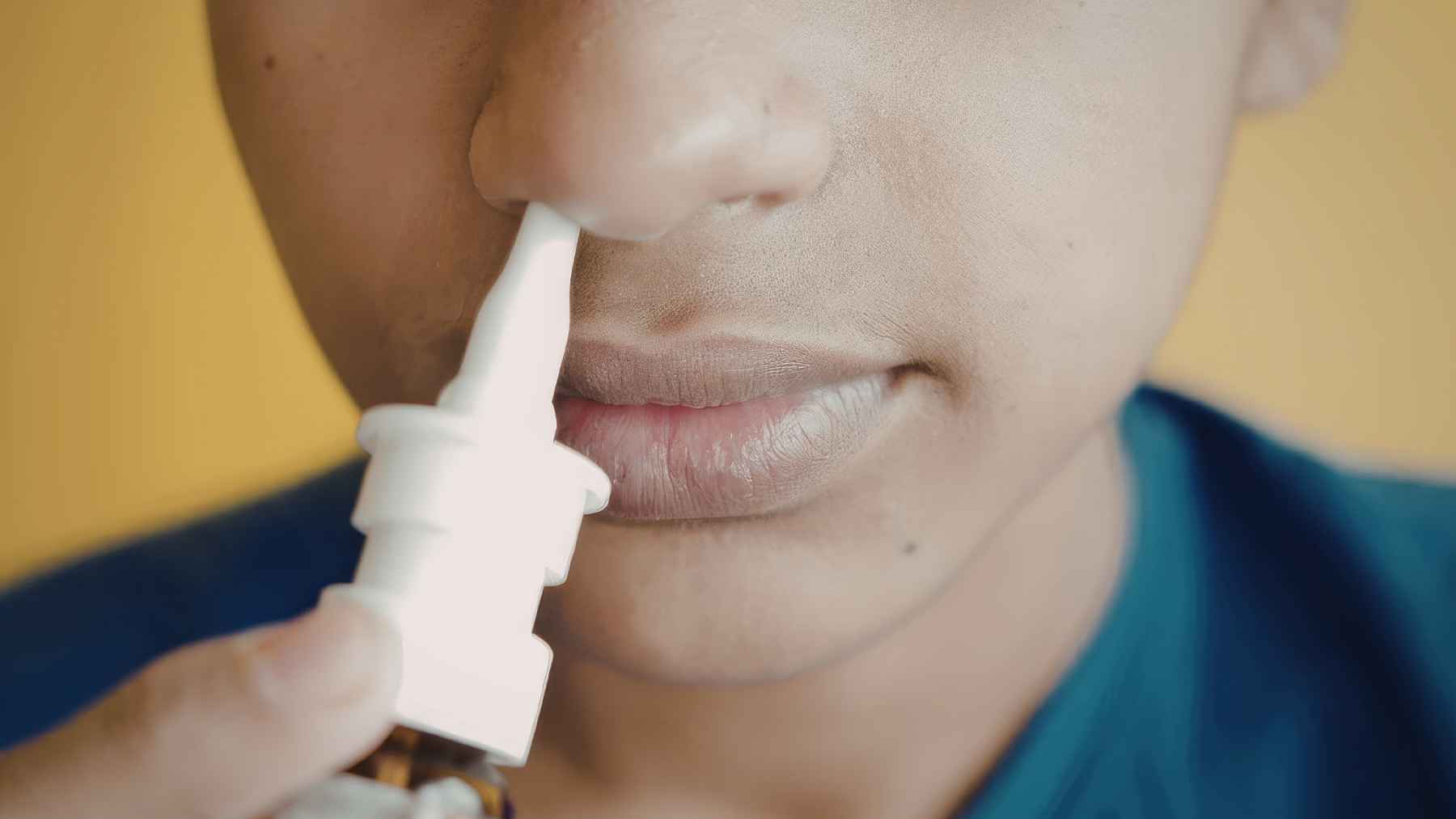
A new Stanford Medicine study suggests that idea may not be as far-fetched as it sounds, after researchers showed in mice that an intranasal formula protected against several respiratory viruses, two bacteria, and house dust mite allergens for months.
The findings do not mean pharmacies will stock such a product anytime soon, but they do mark one of the clearest attempts yet to build a single shield for multiple respiratory threats.
The bigger twist is how the vaccine works. Instead of copying one virus or bacterium, it tries to keep the lungs’ own frontline defenses alert, linking innate and adaptive immunity in the same tissue. That is why senior author Bali Pulendran said the team may have “a universal vaccine against diverse respiratory threats,” even though the research is still preclinical and human testing has not yet started.
A vaccine that does not chase one virus
For more than 230 years, most vaccines have followed the same basic rule. They teach the immune system to recognize a specific antigen, which works well when the target stays relatively stable, but it becomes more complicated when viruses like influenza and SARS-CoV-2 keep changing their outer proteins.
That constant shape-shifting is a big reason people end up needing new flu shots, updated COVID boosters, and repeated reminders before each respiratory season.
Stanford’s experimental formula, called GLA-3M-052-LS+OVA, takes a different path. It combines molecules that stimulate Toll-like receptors 4 and 7/8 with ovalbumin, a harmless egg protein, so the vaccine can mimic immune “danger signals” and draw T cells into the lungs. In practical terms, the goal is to keep broad local defenses switched on longer, right where many infections first gain a foothold.
What the mouse results actually showed
In the mouse experiments, the vaccine was delivered through the nose, and some animals received multiple doses one week apart. After three doses, mice were protected against SARS-CoV-2 and other coronaviruses for at least three months, and the amount of virus in their lungs fell by about 700-fold compared with unvaccinated animals.
They also lost far less weight, a common sign of illness in these studies, and all survived the viral challenge.
The protection did not stop with viruses. Researchers also reported protection against Staphylococcus aureus and Acinetobacter baumannii, two bacteria that can cause serious respiratory infections and are well known in hospital settings.
Just as striking, vaccinated mice began mounting pathogen-specific T cell and antibody responses in about three days, while unvaccinated mice usually needed around two weeks to reach that stage.
Why the allergy result matters
Then came the part that makes this study stand out from a typical vaccine story. When the team exposed mice to proteins from house dust mites, a common trigger for allergic asthma, unvaccinated animals developed a strong Th2 inflammatory response and built up mucus in their airways. Vaccinated mice, by contrast, showed a much quieter reaction and maintained clearer lungs.
That does not mean allergies are suddenly “solved,” and experts would need human data before saying anything that bold. But the result hints that one nasal platform might someday do two jobs at once, helping the lungs react quickly to microbes while also toning down the kind of runaway inflammation that can make dusty rooms or springtime air miserable. That is a very unusual promise for a vaccine.
What happens next in humans
Still, this is where the caution lights turn on. These results come from mice, and plenty of treatments that look exciting in animals fail to deliver the same benefits in people, so the next step is a Phase I safety trial followed, if all goes well, by larger human studies. Pulendran said he thinks two nasal doses could be enough in humans, but that remains an estimate, not a proven schedule.
The timeline is hopeful, not guaranteed. In Stanford’s press release, Pulendran said a universal respiratory vaccine might be available in five to seven years in a best-case scenario with enough funding, which is the kind of phrase readers should underline. For the most part, that means this research is best understood as a strong proof of concept, not as a product around the corner.
Even so, the practical implications are easy to imagine. Instead of chasing each new variant or seasonal bug one by one, researchers are exploring whether the lung’s early warning system can be kept ready through the months when waiting rooms fill up, coughs echo through classrooms, and the medicine cabinet starts looking crowded.
If that approach works in people, it could change how we think about respiratory prevention altogether.
The study was published in Science.