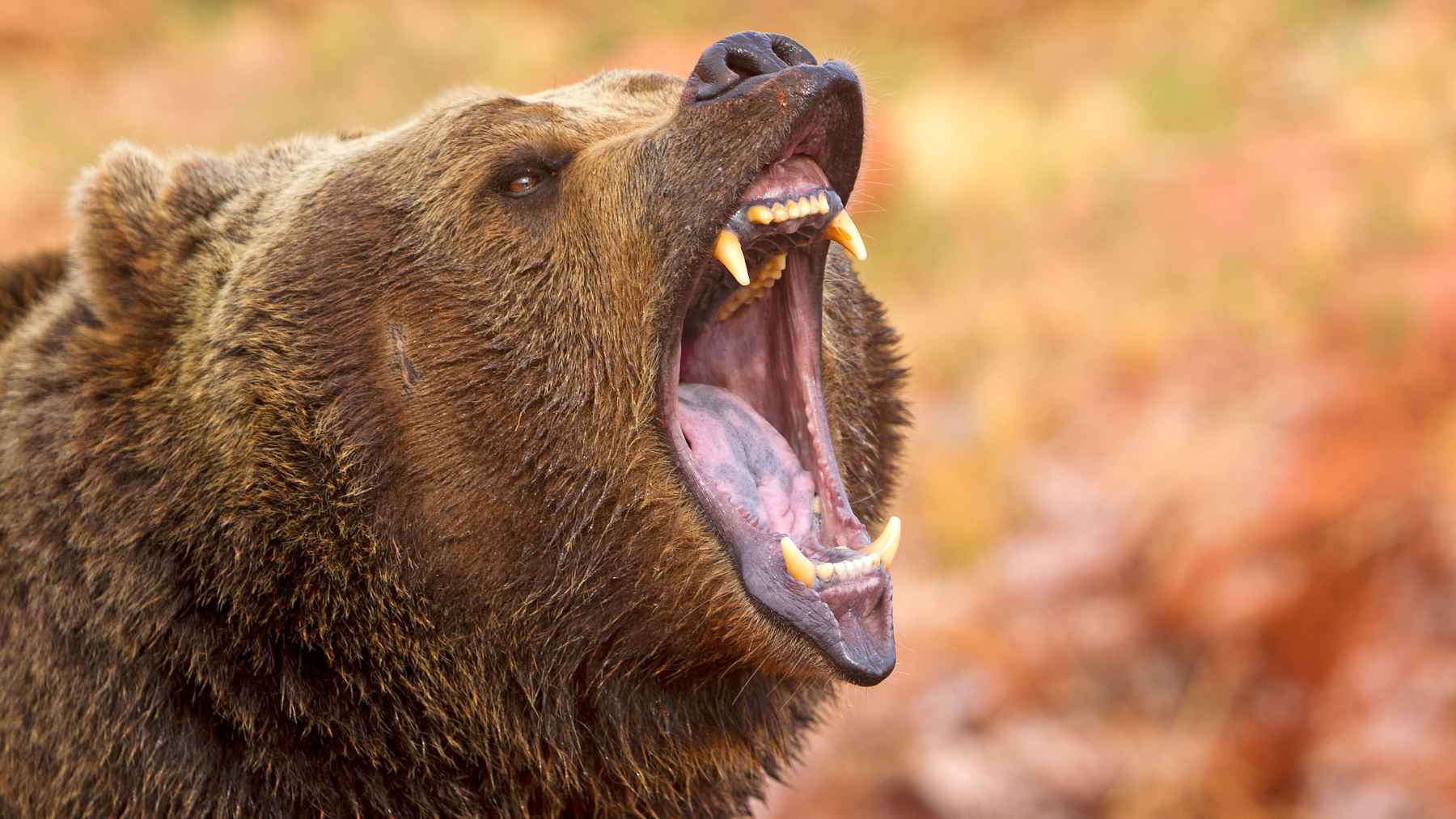
Bears are often pictured as opportunistic predators, the kind of animal that can go from salmon to small mammals without missing a beat. But a new international study suggests many bear populations may lean more heavily on plants as climates warm and the plant growing season stretches.
If a big omnivore starts acting more like a grazer, what changes next?
The research, published on December 3, 2025 in Nature Communications, blends modern diet records with fossil evidence to track how bears move up or down the food chain. The authors describe this as “trophic rewiring,” meaning bears can shift their ecological job depending on what the landscape can offer.
That matters because bears influence prey, plants, and nutrient cycling, not just their own survival.
A bear’s menu changes with the landscape
“Omnivore” sounds simple, but bears do not eat the same way everywhere. Their diets can include berries, roots, nuts, and grasses, along with insects, fish, and other mammals, and the balance shifts by region and season.
To see the big pattern, the team compiled diet data from micro-histological studies of scat and stomach contents. They assembled 210 diet records from 155 studies across the ranges of seven terrestrial bear species, then estimated “trophic position” as the share of dietary energy coming from animal prey.
The result was consistent across species and geography. Bears tended to be more carnivorous in unproductive ecosystems with short growing seasons, and more herbivorous in productive ecosystems with longer growing seasons.
In the analysis, “growing season length” was defined as the number of months when average air temperatures stay above 32°F, which is when plants can keep growing and keep feeding everyone else.
Fossil bones show the same shift over millennia
Diet shifts are not just a year-to-year trick. The researchers also used stable isotope analysis of collagen from fossil and subfossil remains to reconstruct what European brown bears were eating across roughly the last 55,000 years.
Their dataset included 219 brown bear samples and 372 red deer samples collected across Europe. Red deer serve as a strict herbivore reference point, helping the scientists estimate how far brown bears sat above a plant-only baseline at different times in the past.
They found that European brown bears occupied higher trophic positions during the Late Pleistocene than during the Holocene. After the last glaciation around 12,000 years ago, brown bears gradually shifted toward a more plant-based niche as primary productivity increased and vegetation seasons lengthened.
Senckenberg’s press materials also highlight the role of museum collections, noting that bone material came from 14 natural history and paleontological collections across Europe.
Why “trophic rewiring” matters for ecosystems
A bear that eats more plants is not “better” or “worse,” but it changes the way energy moves through an ecosystem. When a large omnivore dials down predation and dials up plant feeding, it can alter pressures on prey populations and change how plants get spread, trampled, or fertilized.
Bears are already known to hunt and scavenge, but they also disperse seeds and move nutrients as they roam. The study argues that shifts in bear trophic position can affect nutrient cycling and energy flows in both terrestrial and aquatic food webs, which is why the work frames diet as a functional change, not just a behavior detail.
Food webs are a lot like the wiring behind your walls. You usually do not see it, but a few rewired connections can change how the whole system runs. That is why researchers suggest bear diets may serve as an early signal that ecosystems are being reorganized under global change.
Warming is one push, land use is another
Longer growing seasons associated with warming can reduce seasonal bottlenecks in plant production. The Doñana Biological Station notes that this kind of change may shorten or even eliminate hibernation periods in some bear populations, which could favor a shift away from animal prey and toward plant foods.
But land-use intensification can pull in the opposite direction by reducing the amount of wild plant production available to wildlife.
When natural foods are harder to access, bears may turn to alternative sources, including livestock or crops, raising the odds of human wildlife conflict in agricultural landscapes.
If you have ever dealt with a ripped trash bag or heard neighbors argue about electric fencing, you have seen the stakes up close. Bears follow calories, and their flexibility is a survival advantage. It can also be a management challenge when climate and land use change the menu at the same time.
What scientists and communities should watch next
One practical takeaway is that bear diets can be monitored as a kind of ecosystem dashboard. Scat studies, stable isotopes, and long-term field monitoring can help track whether local bears are trending toward plants or animal prey as temperatures and habitats shift.
The point is not that every bear will become a near-herbivore. Local conditions still rule, and some populations will remain more carnivorous, especially where the growing season stays short.
But protecting natural habitats and seasonal food sources can influence how often bears rely on human landscapes near farms and towns.
At the end of the day, this research reframes bears as flexible players that can redirect the flow of energy through ecosystems as the environment changes. Quiet shift, big implications.
The study was published on Nature Communications.