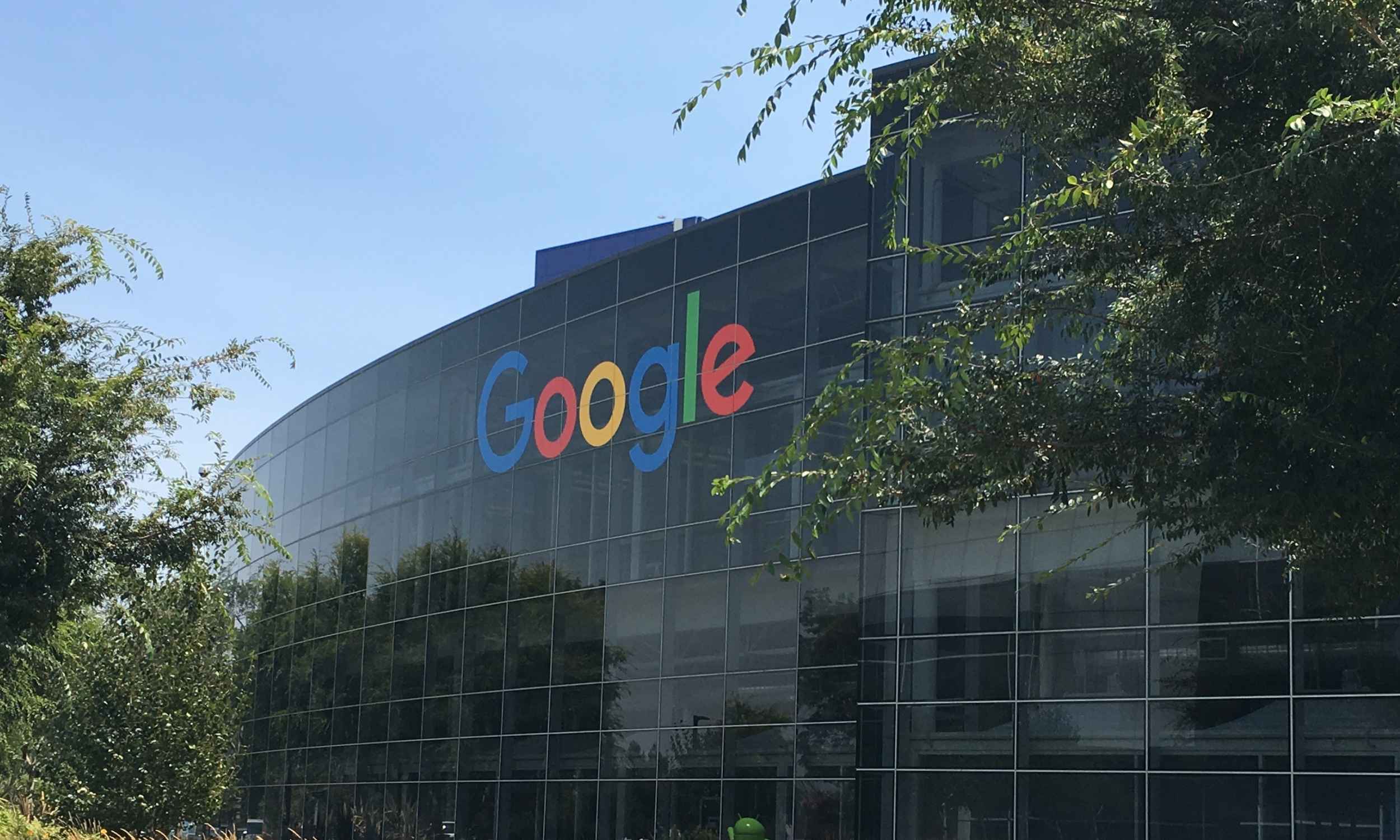
Quantum computers have just cleared a hurdle that many physicists once doubted they could overcome. In new experiments, the Google Quantum AI team showed that when they bundle more qubits together in the right pattern, the combined logical qubit actually makes fewer mistakes.
In technical terms, they have gone below the error correction threshold that future large-scale quantum machines will need.
Why should anyone outside a physics lab care about a tiny drop in error rates deep inside a metal box cooled almost to absolute zero? The answer has a lot to do with cleaner energy systems, new materials, and the race to cut climate pollution.
What did scientists actually achieve?
Quantum chips rely on fragile qubits that lose their information very quickly. Every tiny vibration or stray signal can nudge them off course, which is why today’s devices are still too noisy for real-world climate or chemistry problems.
To fight this, researchers use quantum error correction. Instead of trusting a single qubit, they spread one unit of information across many physical qubits and treat the whole patch as one logical qubit. When the physical qubits are good enough, adding more of them actually protects the logical qubit from noise.
That cut-off point is known as the surface-code threshold. In their latest work, Google’s Willow processor, a superconducting chip with qubits in a square grid, finally operated below that limit, and when the team enlarged their code from three-by-three qubits to five-by-five and then seven-by-seven, the logical error rate fell by about a factor of two at each step.
In simple terms, scaling up reduced the errors instead of multiplying them. One of the resulting logical qubits even lived more than twice as long as the best single qubit that helped build it.
For the quantum community, that shift signals that fault tolerant machines now look less like science fiction and more like a long but concrete engineering project.
Why this matters for climate solutions
At first glance, small changes in error rates inside a cryogenic chip sound far removed from air pollution, food prices, or the size of the electric bill. Yet many of the hardest climate and energy questions depend on solving extremely demanding computational problems.
Climate models that simulate oceans, clouds, forests, and cities already push some of the world’s largest supercomputers to their limits. Optimization problems that decide how to route power from thousands of solar panels, wind farms, batteries, and electric vehicles without blackouts or wasted energy are equally tough.
Quantum algorithms are being explored for better weather and climate prediction, power-grid optimization, and material discovery for batteries and solar cells.
Analysts expect that fault-tolerant quantum hardware could speed up the design of low-carbon technologies and industrial processes. One study by McKinsey, for example, estimated that quantum-enhanced climate technologies might unlock additional emissions cuts of several gigatons of carbon dioxide per year by the mid 2030s.
That kind of potential does not mean quantum computers will magically solve climate change. It does mean they could become powerful helpers for engineers and scientists who are already working on cleaner cement, more efficient catalysts, better carbon capture materials, and smarter, more flexible grids.
The energy footprint puzzle
There is also a catch. Quantum processors like Willow run just a fraction of a degree above absolute zero, inside dilution refrigerators that use a lot of electricity, and studies of quantum data centers show that cooling often consumes far more energy than the computation itself.
At the same time, early comparisons indicate that small quantum systems can already use much less power than today’s largest supercomputers for some tasks, so researchers are testing more efficient cooling, qubit types that work at higher temperatures, and ways to reuse waste heat.
Still a long road ahead
Google’s new result still uses only one logical qubit, so it remains a proof of concept rather than a practical machine. To run meaningful chemistry, climate, or grid simulations, researchers will need many interacting logical qubits and error rates that keep dropping as systems grow.
Even so, crossing the error threshold changes the conversation. Instead of asking whether quantum error correction can ever work, scientists are now focused on how fast it can scale and how to align that growth with planetary limits and climate goals.
For people who care about the environment, the message is measured but hopeful. Reliable quantum computers are not a silver bullet, yet they are slowly moving from lab curiosity toward a tool that could support cleaner technologies, more resilient energy systems, and better understanding of a warming planet.
The study was published in Nature.