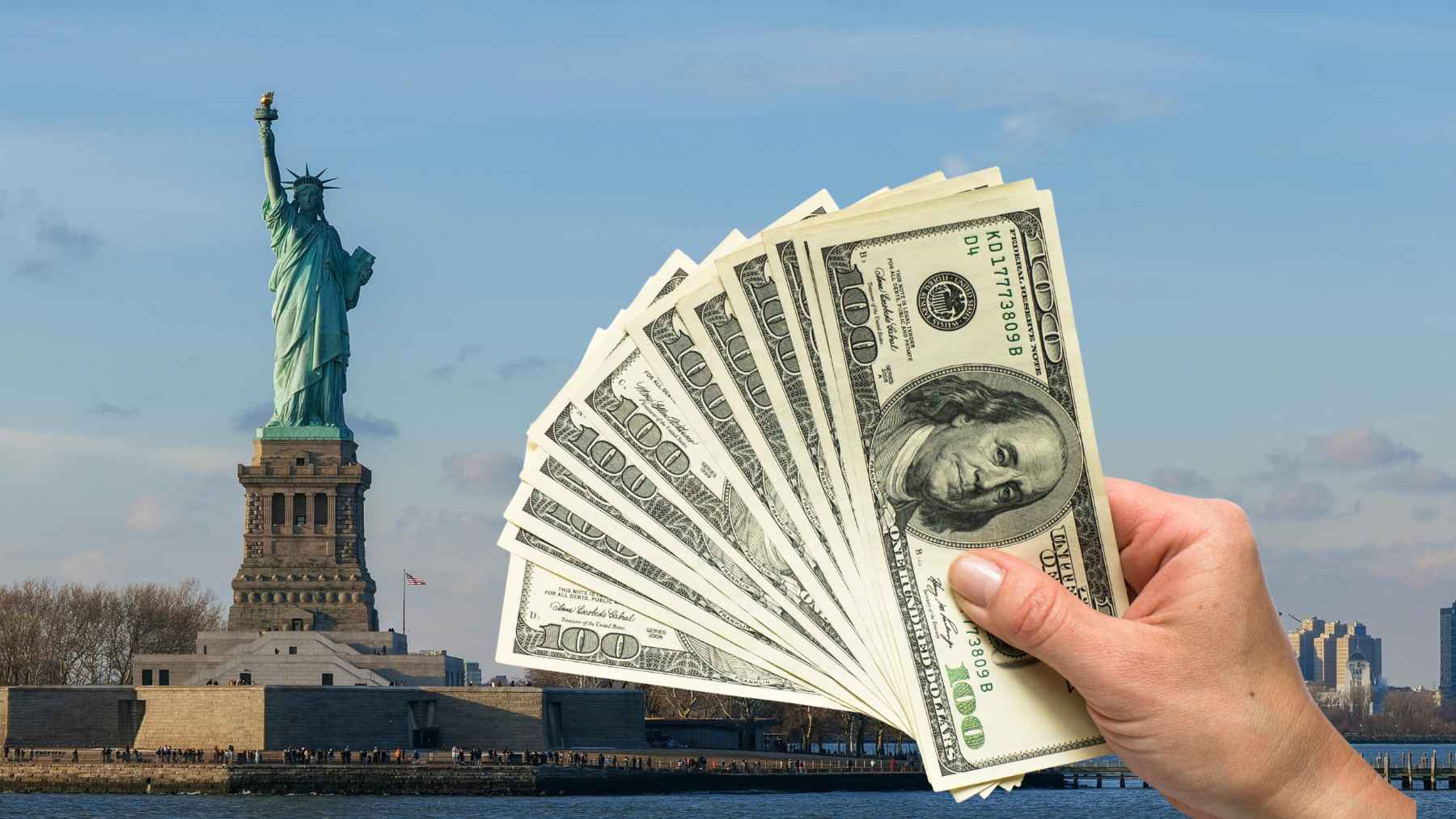
The iconic 100-dollar bills are set to receive a significant makeover. In their continued fight against counterfeit currency, the Federal Reserve and the Bureau of Engraving and Printing are planning to both redesign and enhance security features on the cash currency. The 100-dollar bill will not be the only one seeing a revamp. All bills are set to be redesigned periodically to make bills harder to replicate to avoid the circulation of fake currency.
History of the 100-dollar bill
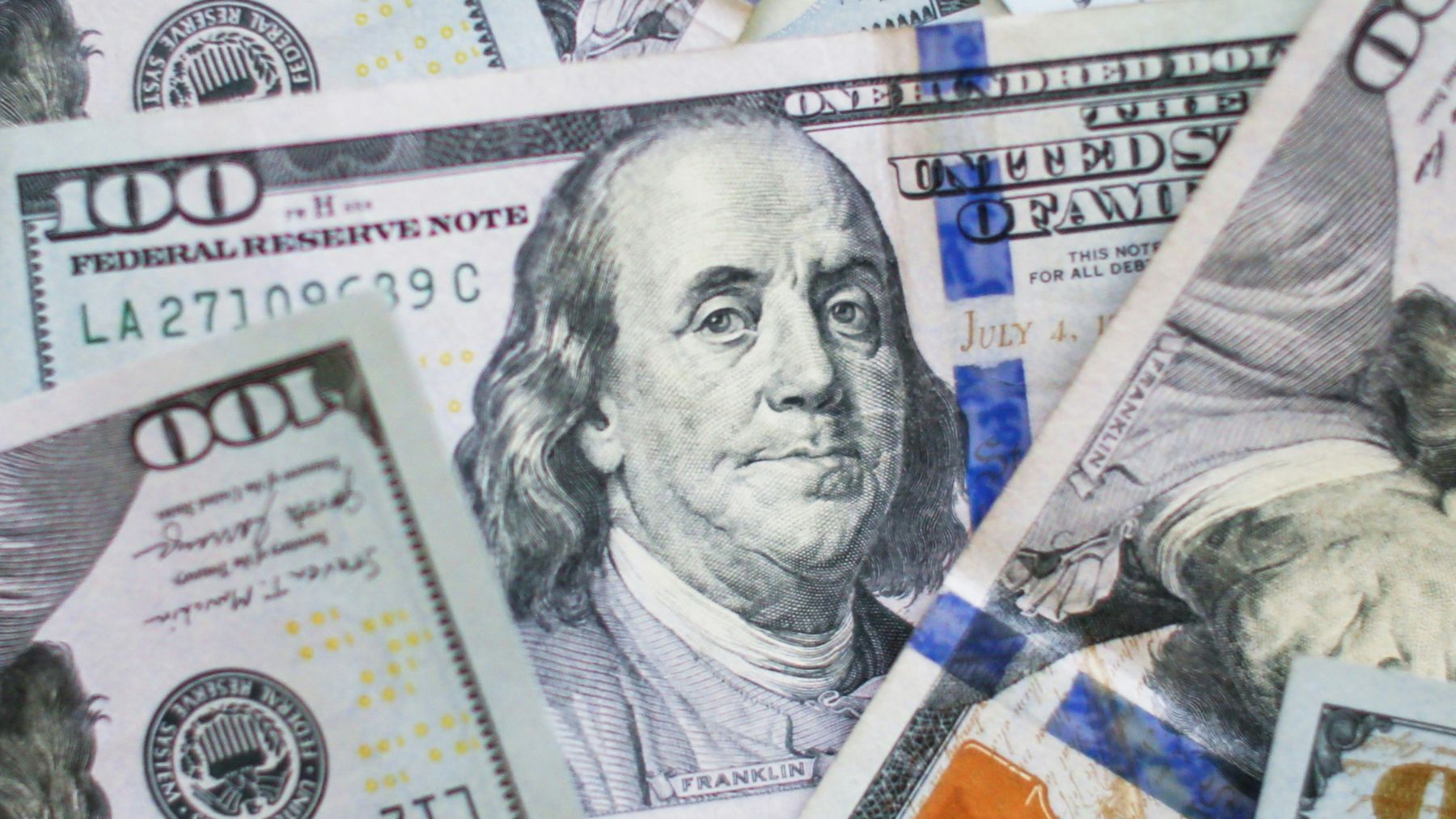
The history of the 100 bill dates back to 1861 when it was first issued as a Treasury Note during the Civil War. Initially, the bill featured a portrait of Salmon P. Chase, the Secretary of the Treasury under President Abraham Lincoln. The 100-dollar bill has undergone several design changes over the years, evolving in both security features and aesthetic details. In 1929, the size of U.S. currency was reduced to its current dimensions, and the $100 bill began featuring the portrait of Benjamin Franklin.
Over time, the bill has seen the addition of numerous security features including watermarks, security threads, and holograms, to deter counterfeiting. In 1996, a new redesigned 100-dollar bill was introduced with enhanced security features including a larger, more detailed image of Franklin and a security ribbon. The most recent redesign was issued in 2013 and featured further improvements to these features with a blue security ribbon and a larger, off-center portrait of Franklin.
The fight against counterfeit money
The fight against counterfeit currency in the U.S. remains an ongoing effort as the government, financial institutions, and businesses work to stay ahead of increasingly sophisticated counterfeiters. The U.S. Treasury, through the Bureau of Engraving and Printing (BEP), has continuously updated the design and security features of U.S. currency to combat counterfeiting. This effort is also supported with initiatives by the Advanced Counterfeit Deterrence Steering Committee (ACD) and the Secret Service.
Part of the fight against counterfeit money is not only to preserve the authenticity of cash bills in circulation but to also protect the monetary value of the currency. The value of any currency is largely based on public confidence in its authenticity and reliability. When counterfeit currency circulates, it undermines that trust which makes people mistrust the circulation of cash.
Additionally, Counterfeit money effectively increases the supply of currency in circulation without a corresponding increase in goods and services. When counterfeit bills enter the economy, it creates a false perception of wealth, contributing to inflation. With more “money” in circulation, the purchasing power of legitimate currency can decrease, leading to higher prices for goods and services. Over time, this inflation can erode the real value of the currency.
Current plan to crack down on counterfeit cash
Initiatives which the Federal Reserve have already implemented to fight against counterfeit money is a tightening of restrictions of the extent of the damage a bill can have to have it exchanged at an ATM, business, or bank. Bills which have been mutilated to the extent where it is difficult to determine their authenticity will have to be inspected and exchanged at specific banking locations. This kind of mutilation mostly applies to water-damage and cash being burnt.
While specific details are yet to be announced for the changes to the 100-dollar bill (including the fate of the face of Benjamin Franklin), it is expected to involve changes to the security strip and other identification features. The updated bill is set to be put into circulation between 2034 and 2038. A new ten-dollar bill is set to debut even sooner than this with the updated bill set to be released as early as 2026. In addition, a new five-dollar bill will debut between 2032 and 2035.