The Asian sustainable mobility market is striving to overtake America, and in some ways they are succeeding in doing so. We saw it with the “merger” of three legendary carmakers, and now we see it again with the first-ever green fuel. Does it really have this color? Why do they call it that? Discover the engine that shatters hydrogen and EVs in an unprecedented concept.
New engine from Japan to revolutionize the roads: goodbye to EVs
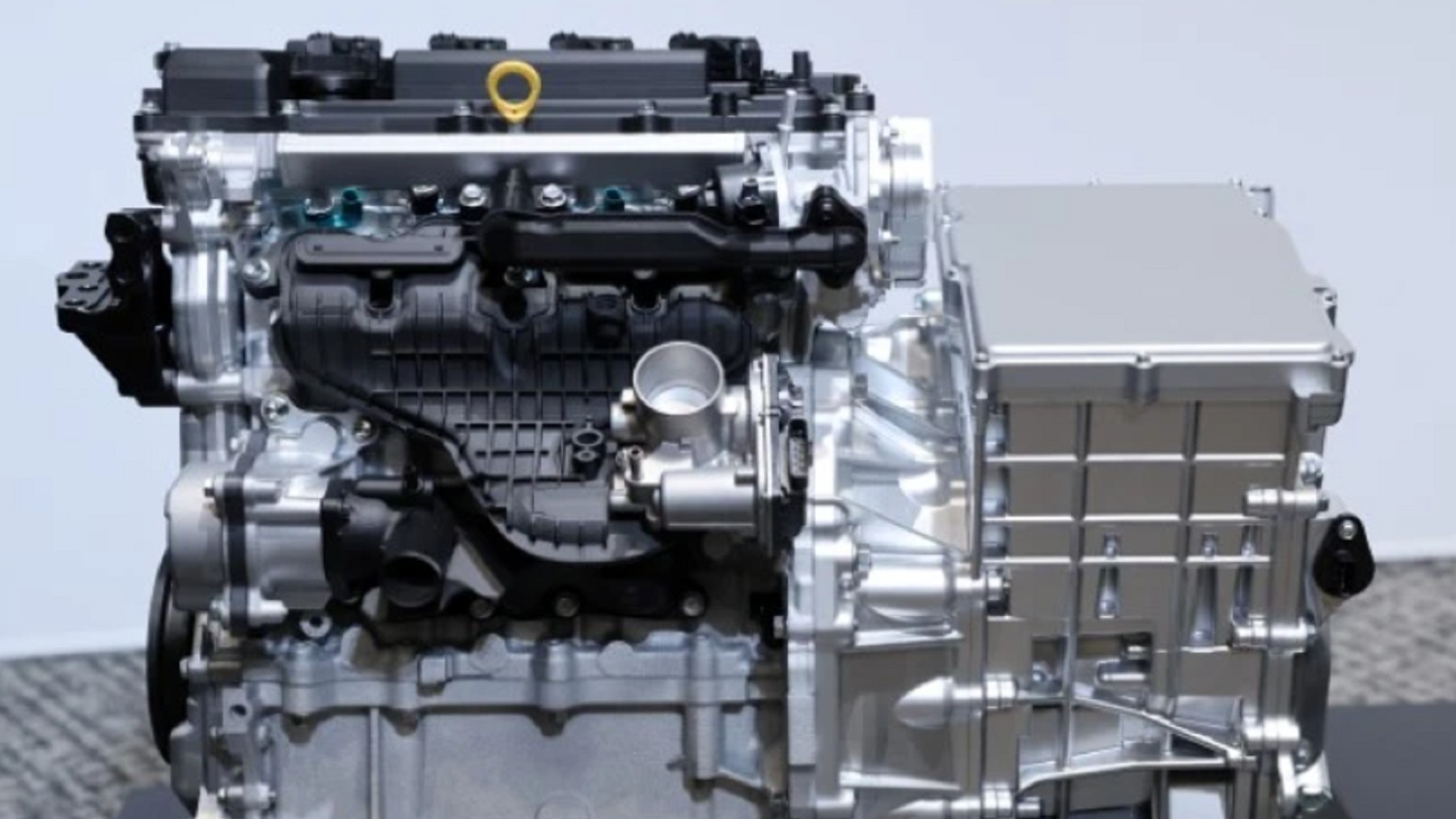
In a surprising unconventional effort, Toyota plans in bringing a new breed of ICEs that can operate on green fuels, such as hydrogen and bioethanol. Suzuki Motors, the Japanese car maker said that this it refers to as “an engine reborn” technologies can go a long way in providing customers with variety of fuel options.
The new family of ICEs in Toyota will be lighter, compact and will demonstrate efficiency in complimenting the electric motors in hybrid vehicles. The engines will act ancillary to the eCM, the electric motor being the primary power unit (but not the only one, what makes the difference).
Through this approach the car manufacturing company intends to create efficient engine for the electrification age with enhanced efficiency, through the creation of cleaner engine functions, yet with the feel and performance of the traditional ICEs (remember that hydrogen is also an internal combustion system).
Japan has focussed on this new fuel: neither EVs, nor PHEVs
Another equally unique characteristic displayed by Toyota’s green fuel engines is the fact that they use hydrogen to power the car’s engine. The motor company has also been focusing on the advancement of hydrogen engine technology, Corolla Sport H2 Concept race car was being used as test for fast improvements.
Specifically for the Moto GP, the turbocharged inline-3-cylinder engine from the GR Yaris has been kept together but with the adjustments for hydrogen fuel which on average burns at a higher temperature and faster compared to gasoline.
Another notable collaboration between Toyota and Denso is the development of standardized fuel injectors that are capable of atomizing hydrogen gas under pressure within the combustion chambers. Abnormal combustion is a major issue in hydrogen engines, and Toyota engine designs employ heat resisting components.
Toyota wants to lead the market in 2050: the other fuel (not hydrogen) they are developing
Besides hydrogen, Toyota new engines will also be adaptable to bioethanol fuels. The company is involved in collaborations with several different counterparts that can push the usage of biofuels since the already bought vehicles can reach carbon neutrality.
To achieve the use of biofuels on a large scale in the emerging markets, Toyota has been offering the biofuel compatible cars in these markets and also guaranteeing the infrastructure to support the biofuel markets. Domestic partners of Toyota, Subaru and Mazda also participate in Toyota’s “multi-pathway workshop”.
The goal was to demostrate their attempts to design the company’s more ecological engines in the preparation for new emission standards. Subaru stressed on their signature smaller horizontally-opposed piston engines, Mazda talked about how their distinct rotary engine is being ready to go for electrification.
However, Toyota does not think that BEVs should replace ICEs around the world since customers and regions are different and need various powertrains. They declared that the company wants to reach net-zero carbon emissions by 2050, and they think that green fuel engines are a good solution together with BEVs and FCEVs.
This new engine shatters hydrogen and EVs, with all the possibilities that will now open up. The key is green fuel that, best of all, you can carry in your own vehicle from now on. Why do it? Not only because you have greater savings, but also because you save polluting emissions into the atmosphere, with the incentives that the IRS has for you in that case.