In an age of climate concerns, alternative engine solutions have been critically evolving within the transportation sector. While they have had the most success within the automobile world, with solutions ranging from electric engines, hydrogen engines, and even biofuels, there has also been development in alternative engines in other transport sectors, including the maritime and aviation industries. MagniX recently launched its new HeliStorm, making us a step closer towards electric helicopters.
Challenges with electrifying the aviation industry
While the automobile industry has had success with futuristic and innovative electric engine solutions, the same cannot be said for the aviation industry. Energy density is one of the primary problems. Electric vehicle batteries are fairly large, however, ground-based transportation can withstand this weight better than aviation technology. Airplanes are extremely sensitive to weight, with even the slightest weight increase having a significant impact on safety, range, and performance. In contrast to automobiles, aircraft need a high thrust-to-weight ratio and must have sufficient energy for both flight and unforeseen circumstances like landing delays and rerouting.
In short, the batteries required to power an electric aircraft would be much too heavy to actually allow the plane to fly. It is for this reason that the aviation industry has been targeting hydrogen engine solutions instead in order to reduce their reliance on petroleum-based fuels and provide more sustainable air-travel solutions going forward.
New Helistorm: A possible game-changer?
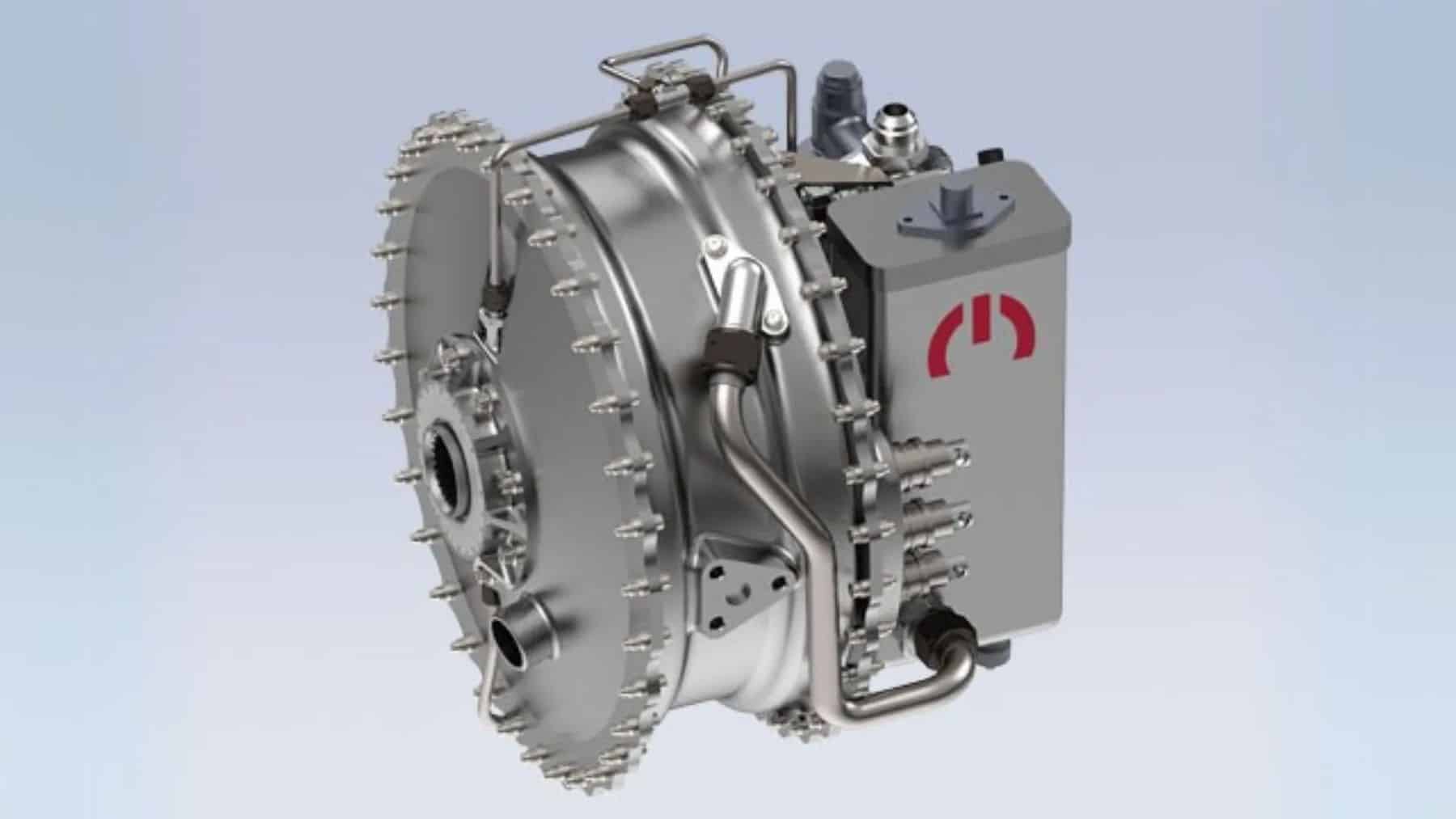
Despite the challenges facing the aviation industry regarding electric solutions, American company MagniX has not given up hope on the idea just yet. Founded in 2009, the company is focused on providing electrical solutions for aircraft. In March of this year, MagniX announced the launch of its new HeliStorm engines, lightweight and high-speed electric engines designed for helicopters.
“The helicopter market represents a tremendous opportunity for magniX, as the strengths of our technology align well with the market need,” said Reed Macdonald, CEO of magniX. “magniX’s HeliStorm engines expand upon our existing world leading capabilities and deliver a step change in performance, reliability, and value for our customers. We look forward to bringing our innovative technology to another segment of the aviation industry.”
Noteworthy features of the engines include the following:
- An operating speed of 6,000-7,000 RPM
- A significantly lighter weight than turbine engines for similar aircraft
- Scalable power output ranges
- Airborne power generation extends the range of hybrid-electric platforms
Is an electric aviation industry possible?
While magniX’s electric developments are promising, it is important to remember that helicopters are much smaller than commercial airline jets and are also used to fly much shorter distances. While this makes them prime candidates to target electrical engine solutions within the aviation industry, the reality of a fully functioning commercial aircraft is much more uncertain.
In addition to the battery density challenges, the aviation industry also faces large regulatory challenges when it comes to changing engine technology. Should a feasible electric engine actually be produced for a commercial aircraft, significant safety testing would be needed to have the engine approved for use before these engines could have widespread adoption.
However, other areas of innovation in the aviation industry with regard to electrification include the possibility of a flying electric car. Tesla CEO Elon Musk has previously hinted that anticipated projects Tesla has in the works include the possibility of a vehicle with some kind of flying capability. While it is unclear to what extent this is both true and possible, it remains clear that the aviation industry is not only committed to finding alternative engine solutions, but the transport industry as a whole is looking towards solutions to suit a rapidly changing and technologically advanced world.