Scams by customers and individuals in America are on the rise, something that happens every time inflation soars or an economic crisis breaks out. Perhaps for that reason we have learned that home insurances companies are taking on air inspections, a controversial practice until now. Will it affect you? Quite a bit, if you have this in your policy and you have not realised about yet.
Air inspections by home insurances? Attention to the new practices is becoming common
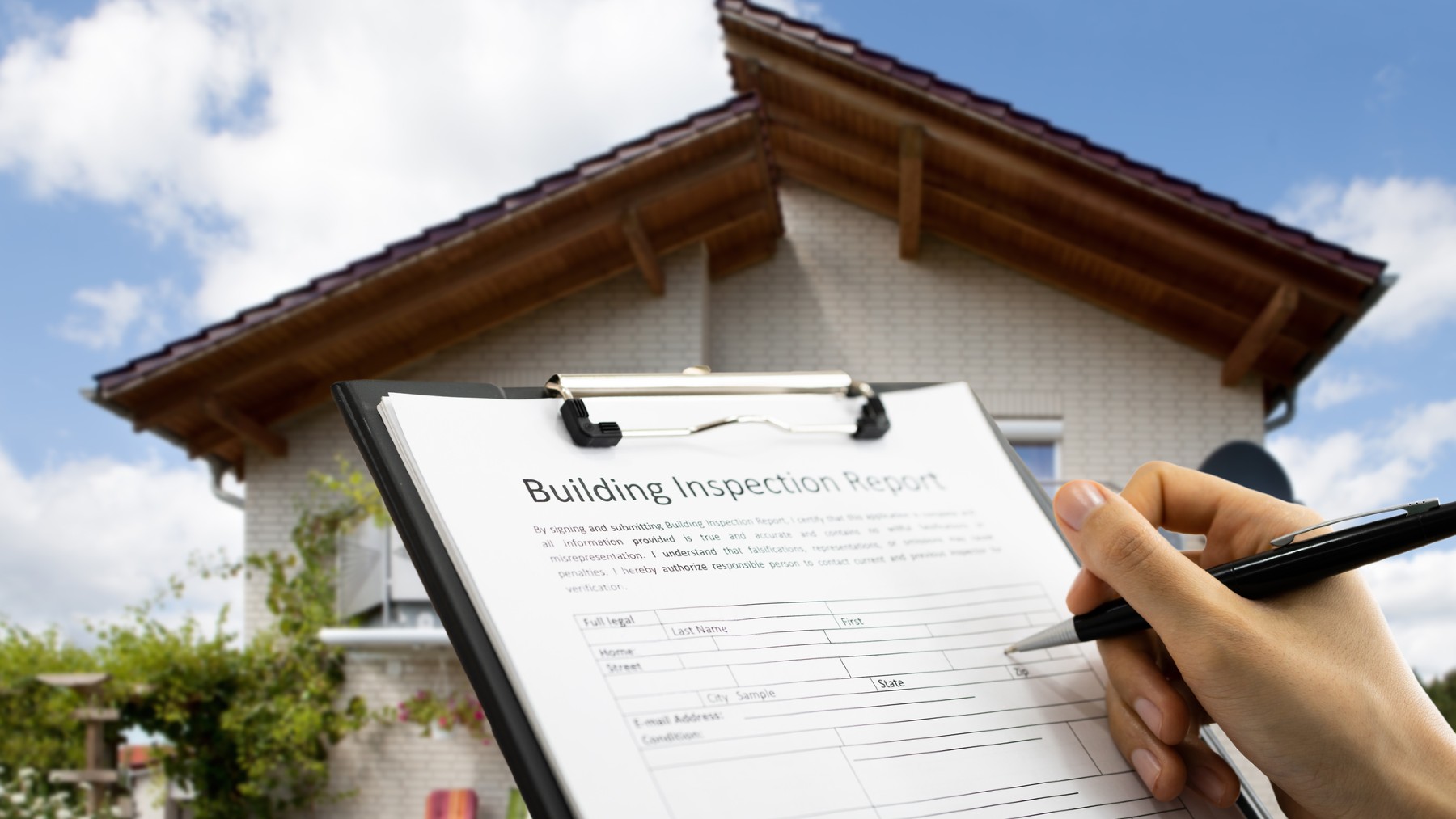
Home insurance companies go through regular inspections of homes they cover to enable them better assess the risk, both to their finances as well as in determining the appropriate premium amount. It is through these audits that the insurers have the privilege of unearthing hidden information such as the condition of the home.
In previous years, such inspections were seldom if ever. They were only carried out subsequent to a claim being filed. Nowadays, however, insurance companies are reviewing each home before issuing a policy in order to avoid destruction of a property. There are a few key reasons for this shift:
- More accurate risk assessment. In situ inspections help insurers to put their finger one on the problem that can not be identified on the sheet, such as unsecured decking or obsolete electrical system. This classifies the house into the low, medium, or high-risk category.
- Prevent fraud. By using images as a part of the verification, insurers will have better chance of admitting that the policyholder has accurately given a description of the home. One thing here that is, like that people mention honestly below intentionally personal invoice.
- Understand claim causes. The health of a property to insure becomes clear by exploring the background of the property and this enables the insurer to determine a probable reason for such a claim. The human risk assessment is effectively performed by this measure.
Air inspections pass by your house, but not in a helicopter: you won’t believe what they’re wearing
The contemporary years have seen an extension of drones being used by the insurance industry to inspect buildings and properties. Drones enable insurers to get bird’s eye views of roofs, gutters, siding, windows, and other components which down below are among the toughest to account for.
Drone with high precision cameras can take a good photo and video footages to show the condition of it and identify any blemish or break down. This is effective especially for homes which have multi-story buildings or rooftops with drastic slopes.
While a human eye inspector can be stuck on the floor trying to see what is behind and above the structure, a drone is free to roam around, climbing and soaring over these areas for a bird’s eye view. The giants of the insurance industry such as State Farm and Allstate have its respective fleets of drones.
Drone services have made it possible for insurers to use drones to circle over the property and take videos without having to go through the pain of obtaining ladders and scaffolding. As the meteoric rise in drone use in the insurance industry continues, it is evident that as the technology improves and becomes more affordable.
Unexpected impact on customers: why you should be concerned
In the perspective of homeowner, security may be the major concern when letting insurance corporations fly drones to inspect the vicinity of property. Different to the time when professionals used to observe a house outside and inside, a drone can be deployed to take sharp photos if it has high resolution camera.
This is obviously an area of great concern on the part of people, and it is likely to evoke questions like whose territory is covered and what purpose the data will serve. Moreover, some drones have sensors that are thermal registered or otherwise advanced in nature and can detect problems imperceptible to the naked eyes.
The homeowners should be properly concerned about the potential additional data collected that would allow an insurance provider to better monitor their home’s condition; however, the homeowners should ensure their consent may be explicitly sought and that full transparency concerning how the data is being utilized.
As you can see, air inspections at home insurances companies are going to be more frequent now, something that the federal government approved several years ago, but had been stalled. With the rise of insurance scams, it has been decided to take this measure, which has already had several unexpected consequences, such as dramatic increases in premiums or contract suspensions due to concealment of information.