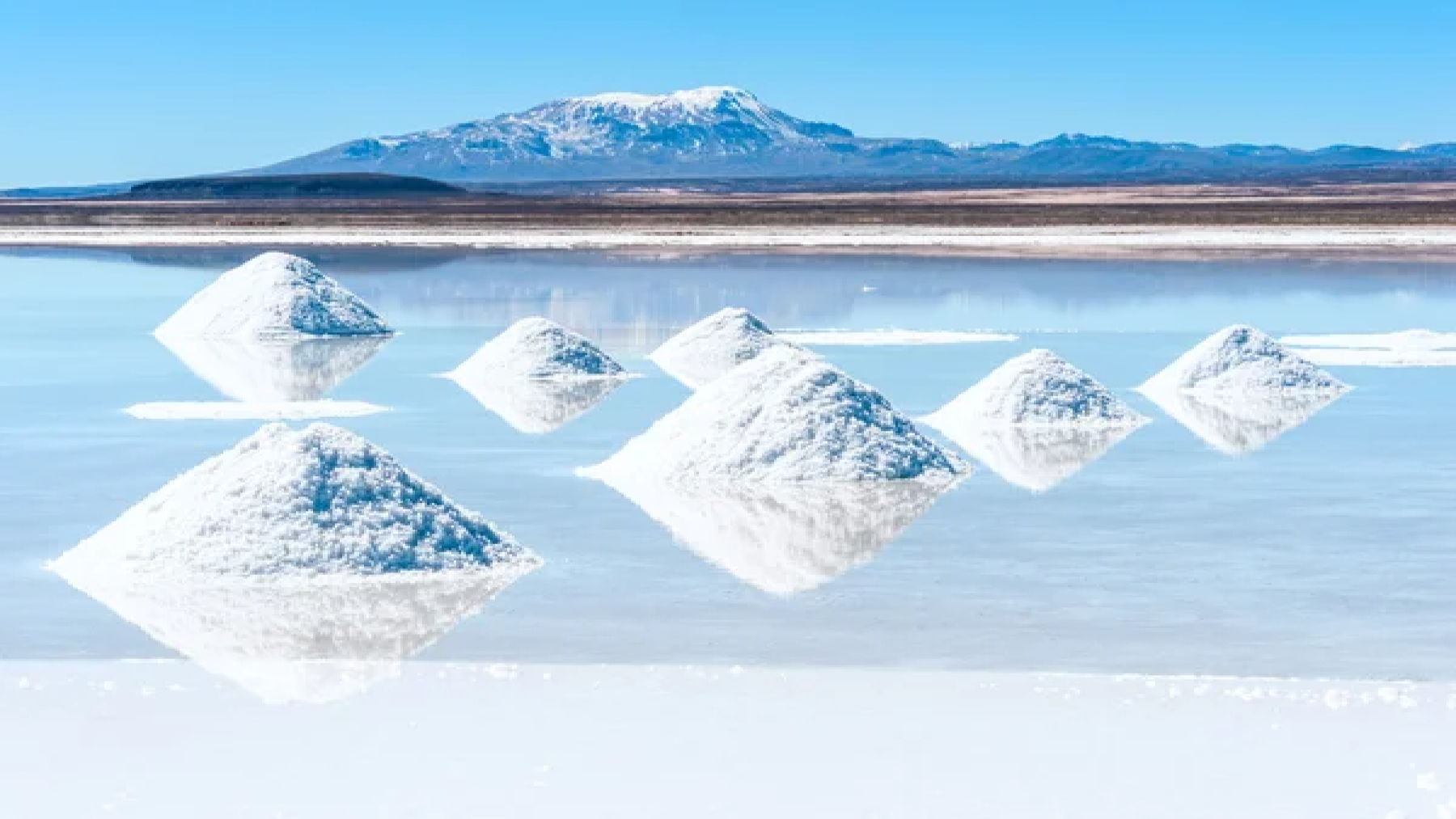
One of the biggest issues in the hydrogen industry is transport. Hydrogen is flammable, unstable and low density so it’s hard to handle and expensive to ship as a gas or liquid. While countries like the US are spending billions to refine traditional transport methods, Australia has found an innovative and cost-effective solution – shipping hydrogen as a powder.
The future of hydrogen: Australia’s powdered resolution vs US traditions
Hydrogen is called the “fuel of the future” but it’s an energy vector for renewable energy storage and export. However, its physical properties create big problems. Transporting hydrogen as a gas requires high pressure tanks and safety measures, while liquefying it requires extreme refrigeration adding big energy and cost.
The US has invested heavily in traditional transport methods. Specialised vessels and pipelines move hydrogen across the globe but it’s still inefficient and expensive. Australia has gone the other way – using sodium borohydride (NaBH4) powder as a hydrogen carrier.
Waste to wealth: Restoring sodium borohydride for hydrogen transportation
Australia’s solution involves transporting hydrogen as a powder. Sodium borohydride releases hydrogen when it meets water, and the byproduct is sodium borate (NaBO2). Historically this byproduct was expensive to recycle but researchers at John Curtin University have developed a chemical catalyst process to regenerate sodium borohydride cheaply and efficiently.
The Kotai Hydrogen Project, part of the Transformative Research Accelerating Commercialisation (TRAC) Program, is refining this process. By converting sodium borate back into sodium borohydride with our proprietary electrolyzers powered by renewable energy we can reduce the cost by 20 times. This makes sodium borohydride the cheapest hydrogen carrier to date.
Compared to other carriers like ammonia, sodium borohydride has many advantages. One ton of ammonia produces 178kg of hydrogen, one ton of sodium borohydride produces 213kg. More hydrogen and safer and cheaper transport could make Australia the green hydrogen exporting nation.
Gawler Craton: Cracking natural hydrogen for a sustainable future
Australia’s push to become the leader of the hydrogen export market is being driven by big public and private coin. By 2030, the country will provide huge quantities of green hydrogen to the world market, when supported by novel technologies such as powdered hydrogen transporter.
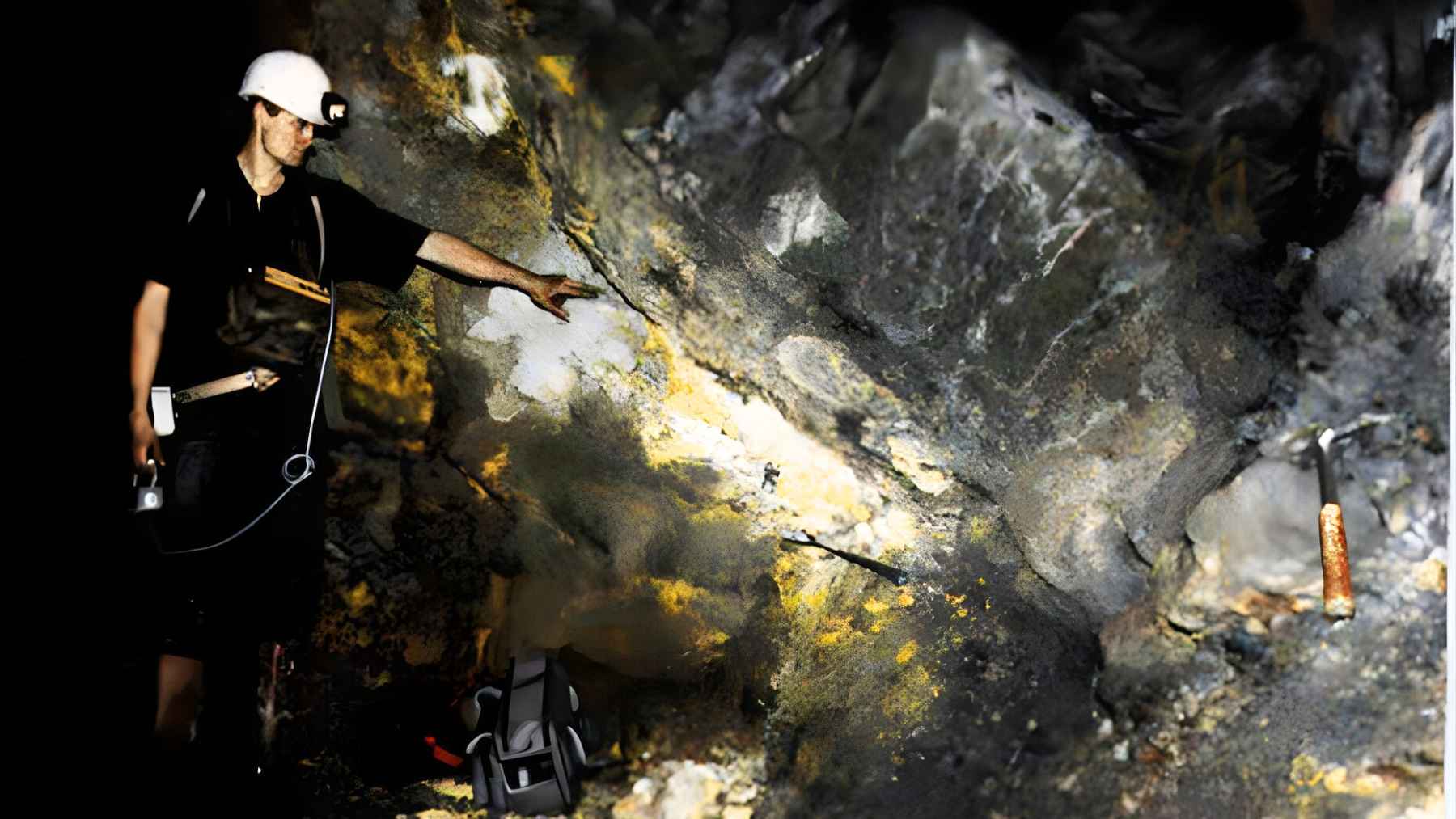
The country’s natural advantages further strengthen its position. The Gawler Craton, a geological structure that contains iron and uranium mines in southern Australia, appears to contain up to millions of tons of natural hydrogen supplies.
This unexploited resource, and with the progress in the technology of the transport of hydrogen, guarantees an advantage to Australia. In addition, a method of powdered hydrogen of Australia is in harmony with the attempts made worldwide in decreasing the carbon footprints (just like this solar hydrogen which was discovered after decades).
Conventional hydrogen delivery is an energy-demanding process of compression and liquefaction, which leads to emanations. The sodium borohydride process, using renewable energy, not only decreases costs but also serves as a greener option for hydrogen distribution worldwide.
Australia’s innovation challenges the status quo of hydrogen transport. In as much as the US continues to expend billions of dollars for traditional techniques, the powdered hydrogen route provides a safer, more efficient, and reliable alternative.
This breakthrough has the potential to reorient the global hydrogen market to bring clean energy to a wider population in an affordable manner. In conducting the regeneration of sodium borohydride, the Kotai Hydrogen Project is an innovation in hydrogen technology.
The project’s dedication to cost reduction and scalability shows that focused research and development can address persistent problems. The Australian variant of powdered hydrogen transportation is the next step towards achieving affordable, clean energy.
Through the challenge of the physical properties of hydrogen through innovative technology the country is becoming a new benchmark for the international market of energy. While countries invest to reveal the promise of hydrogen, Australia’s low-cost way of producing it offers a view of the future of a greener, more sustainable world (such as the world’s 6 trillion tons of hydrogen).