Hyundai has been revolutionizing sustainable mobility with the hydrogen engine for two years and now rivals only Toyota (yes, they’ve taken Tesla’s competition off their hands). The brand has a growing presence in the market thanks to this “magic fuel”, but what if they were responsible for its end? Many experts fear this when they learn about the new technology they are working on that will revolutionize everything we know about EVs and HICEVs.
Hyundai shocked the world with the hydrogen engine: Now, they have something even better
Hyundai Motor Company has recently presented its new extended-range electric vehicle (E-REV) concept, which is an indicator of a transition in the automotive market toward sustainable transportation. This new electric vehicle (EV) makes use of battery electric vehicles (BEVs) and hybrid electric vehicles (HEVs), and it would be ideal for solving issues with range and infrastructure in charging.
The new Hyundai E-REV model has been developed on a compact SUV platform to meet the current increasing market trends and the need for practical use of electric cars with ample storage space. Exact dimensions have not been provided, but the concept designs reveal a modern and aerodynamic outside look that aligns with the current Hyundai branding.
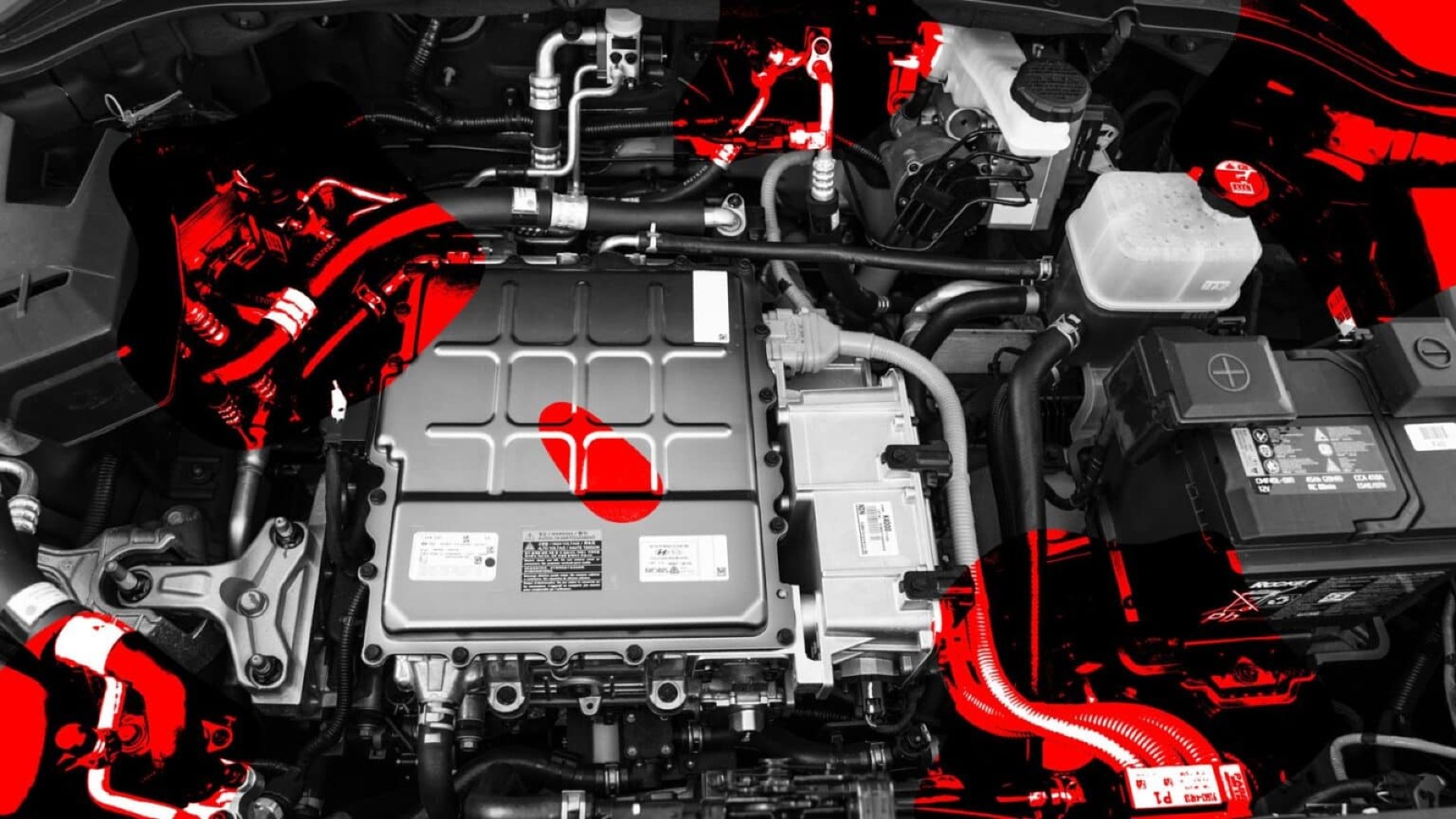
The powertrain layout of Hyundai’s E-REV concept is at the very center of the automaker’s strategy. It is chiefly an electric vehicle using a high-storage battery pack for the exerted power supply. However, unlike other regular BEVs, it also has an ICE, which is a range extender with a small capacity.
The new Hyundai electric engine, to revolutionize the roads: Some keys about its impressive performance
While Hyundai has not released detailed performance figures, the company has provided some impressive estimates that highlight the E-REV’s capabilities:
- It is estimated that the E-REV will provide up to 600 miles total electric & fuel cell range for a single charge and fuelling.
- Under fully electric power, the car might have a range of around 62 miles (100km).
All these figures show a better picture than in many of today’s EVs and directly counter one of the main issues that those who might consider an EV have – range.
- The E-REV concept offers flexibility in terms of energy replenishment:
- The battery can also be charged using mainstream Electric Vehicle charging equipment.
- ICE onboard can either recharge the battery or supply electricity to the electric motors.
- The fuel tank for the ICE, on the other hand, can be easily refilled at regular filling stations.
All of this makes it possible for drivers to operate using the most convenient and effective power supply depending on their circumstance as well as the existing network.
Do you think this new Hyundai electric engine will mark the milestone we are waiting for in zero-emission mobility? The drop in sales around the world is attributed, among other factors, to the lower degree of innovation in EVs, which seem to have found a theoretical limit of autonomy. However, now Korea has found the key to bring it back into the public debate, beyond Chinese inventions that promise to “add 50 km of autonomy” (which is still debatable).