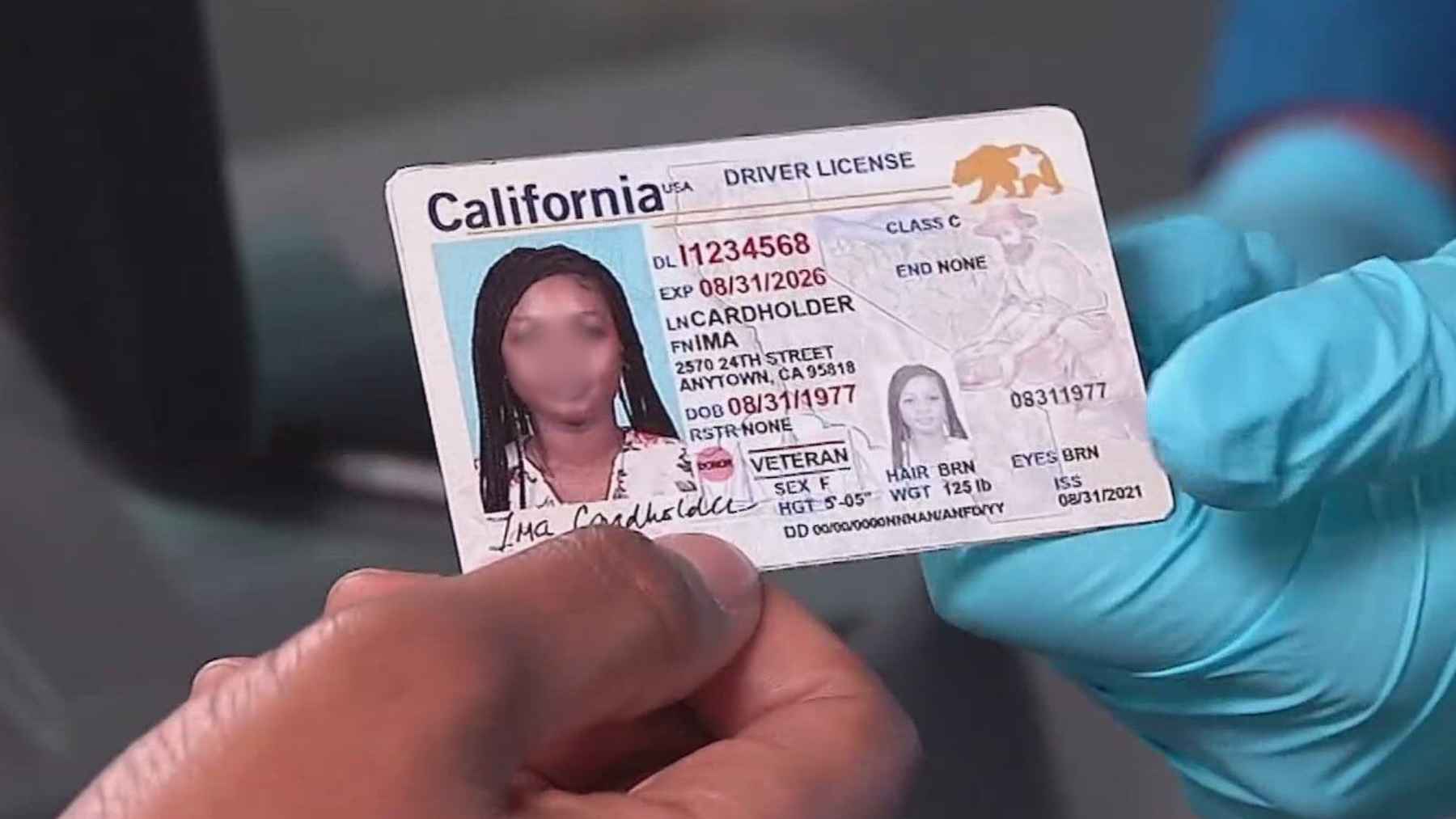
What began as a historic win for undocumented migrants in California is now entering a tougher phase. Holders of AB 60 driver licenses are being reminded that their credential can be suspended or revoked for traffic violations just like any other license, with no special protections if they break the rules.
State authorities have warned that any driver who piles up violations, or commits a serious offense on the road, can lose the right to drive. For thousands of people who rely on their car to reach work, school, or medical appointments, the message is simple and a little alarming at the same time.
What the AB 60 license really is
AB 60 grew out of the Safe and Responsible Driver Act, a state law that opened licenses to residents who cannot show proof of legal presence but still meet all normal driving requirements. It was designed to bring hundreds of thousands of undocumented drivers into the legal system and make roads safer by ensuring they are trained, tested, and insured.
On its AB 60 information page, the California Department of Motor Vehicles explains that “AB 60 driver’s licenses are for individuals who are unable to provide proof of legal presence in the United States” but who can prove identity and California residency.
Immigrant rights groups such as ACLU of Northern California stress that this card is a valid California license in police encounters and traffic stops inside the state.
The card looks slightly different, with the words “federal limits apply” on the front and a note that it is “not acceptable for official federal purposes” on the back, yet out on California streets it functions as a regular license and is subject to the same traffic rules and sanctions as any other.
How the California points system works
Behind every suspension is a simple numbers game. The DMV assigns points for moving violations and at-fault crashes, and once a driver crosses a certain limit, that record is treated as negligent.
The current driver handbook explains that adults can face suspension if they reach 4 points in 12 months, 6 points in 24 months, or 8 points in 36 months, no matter which type of license they hold. These limits apply both to standard licenses and to those issued under AB 60.
Minor violations usually add one point while major convictions such as reckless driving or some drug and alcohol offenses can add more, and those points stay on the record for years, quietly adding pressure with every ticket.
When the totals are too high, the DMV can move from warning letters to probation and finally to suspension or revocation of driving privileges.
Serious violations that can mean instant loss of your license
Some actions behind the wheel are treated as so dangerous that they can trigger an immediate suspension or revocation, on top of any points on your record. These are the situations where a single incident may be enough to lose your license.
Driving under the influence of alcohol or drugs, joining an illegal street race, leaving the scene of a crash without stopping, or trying to escape from police, especially when someone is hurt, all fall into this category and bring heavy fines, criminal records, and the real possibility of jail. In several of these cases, state rules allow the DMV to revoke a license outright.
For an AB 60 driver who finally felt safe from roadside impoundments, a single night of bad choices after a party or a race on an empty avenue can bring everything back to that old fear of losing the car keys and the job at the same time.
In practical terms, that can mean months without legal driving while trying to keep up with rent and the electric bill.
Other everyday mistakes that also put your license at risk
Not every problem starts with a crash. Sometimes it starts with a missed court date after a simple ticket that ends up ignored in a kitchen drawer.
Failing to appear in court, driving with altered or unreadable plates, letting a friend without a license drive your car, or watching videos on a screen visible to the driver that is not part of the navigation system are all violations that can lead to fines and add points to your record.
Consumer guides for AB 60 holders also warn that too many unpaid tickets can lead to suspension and even towing of the vehicle.
For drivers who already have several incidents on file, that extra ticket can be the one that pushes them over the limit and prompts a suspension letter in the mail. By the time that envelope arrives, the choices that caused it may feel like distant history, but the consequences are very current.
Harsher rules for drivers under 18
Teenagers with a provisional license are monitored even more closely than adults, because collision risk is higher in the first years behind the wheel. California’s graduated licensing system for young drivers brings earlier and stricter interventions once problems appear.
Research carried out for the state shows that a first violation or responsible crash can bring a warning, a second incident can lead to temporary driving only with supervision, and three in a year can result in a six-month suspension and one year of probation. These measures apply to all provisional licenses, including those held by teenagers who obtained their credential under AB 60.
If any of those incidents involve alcohol or drugs, under age drivers can face an immediate suspension that does not allow appeal. At the end of the day, an AB 60 card does not soften that outcome, since the rules are written to treat every young driver the same when safety is at stake.
The main official information has been published by the California Department of Motor Vehicles.