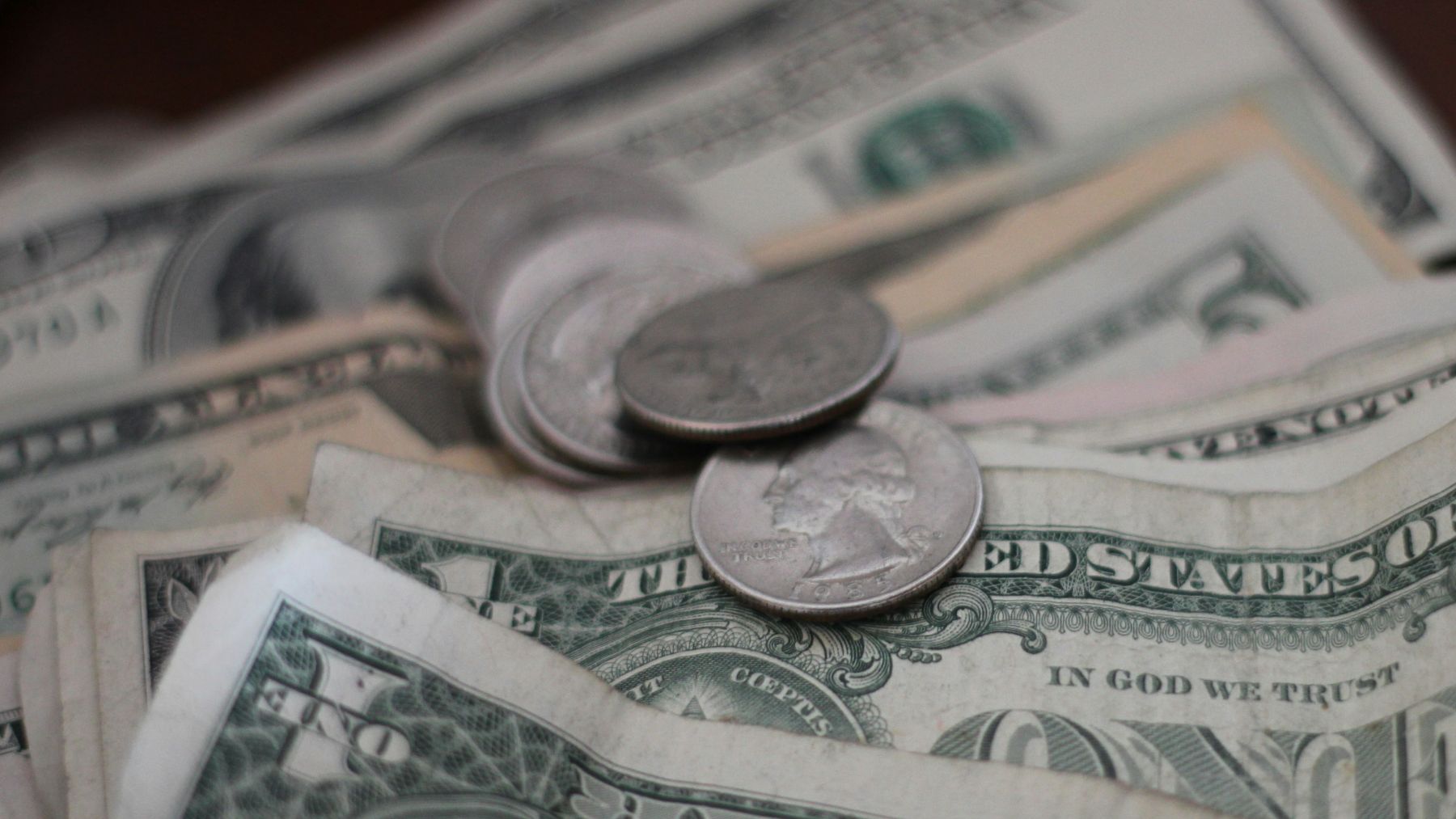
Collectors of old money, often referred to as numismatists, are individuals who take a keen interest in acquiring and preserving historical currency, including coins, banknotes, and other forms of money that hold historical significance. These collectors are drawn to the rich stories and cultural heritage embedded in old money, as each piece can reflect the economic conditions, artistry, and political events of its time. Many of these old money pieces are sold at auction for thousands of dollars, and you may be in luck if you have such a piece.
Significance of the 1976 Bicentennial Quarter
If you happen to possess a 1976 Bicentennial Quarter, you may be holding a piece which is worth up to $20,000! The 25c coin was produced to celebrate the U.S’s 200th anniversary of independence. American independence from British rule, formally declared on July 4, 1776. The ensuing Revolutionary War saw the colonies unite against British forces, culminating in victory in 1783.
The 25c coin collectors are on the hunt for were only produced by the Mint between 1975 and 1976. They were the first quarters in over 50 years to feature a reverse design. An acclaimed 1976-S Bicentennial Quarter was sold for just under $20,000 a few years ago. However, there are other versions of the coin which also are worth thousands of dollars.
Your old quarter may be worth thousands
There are two things to bear in mind when determining how much your quarter from this period may be worth: the presence of a double-struck error and its High Mint state. The double-struck error is a rarity and will significantly increase the worth of your coin. This is when the design of the coin is printed twice on the front of the coin which creates a shadow effect on George Washington’s image. Its uniqueness is what make sit so desirable to collectors.
The coins Mint State is also important, as coins which are worth more money than others are those which are in near perfect mint condition. Mint State means that the coin has never been circulated. All coins are graded according to this state. The following is a guide you can use for determining if your 1976 Bicentennial Quarter’s grade is worth investigating:
- MS60-MS64: Some light marks but retains luster—worth looking into.
- MS65-MS67: This is the sweet spot for value. These coins are nearly flawless and can fetch a few hundred dollars.
- MS68-MS70: Mint perfection. These rare coins, with no visible wear even under magnification, are the ones that go for thousands.
The material of the coin will also determine its worth
If you happen to have a 1976 Bicentennial Quarter, its material will also determine how much it can sell for. Most of these coins were, and still are, “clad”. This means that they were composed out of multiple metals such as nickel, copper and zinc that are layered together like a sandwich. However, some of the bicentennial quarters were composed of 40% silver — this would make your quarter more valuable as silver is a precious metal.
To determine if you have one of these rare quarters, you must look at the design and mint marks. Your quarter should have the dual dates 1776-1976. The obverse will feature the face of George Washington, while the reverse side shows a colonial drummer with a victory torch and 13 stars. You must also check for a mint mark. The most valuable of these come from the Denver (D)and San Francisco (S) mints. Coins from the San Francisco mint (S) are especially valuable in silver-clad form.
If you have not lucked out on winning the lottery yet, maybe your old 25c coin which has been sitting in your wallet for years may be the solution yo your financial troubles.