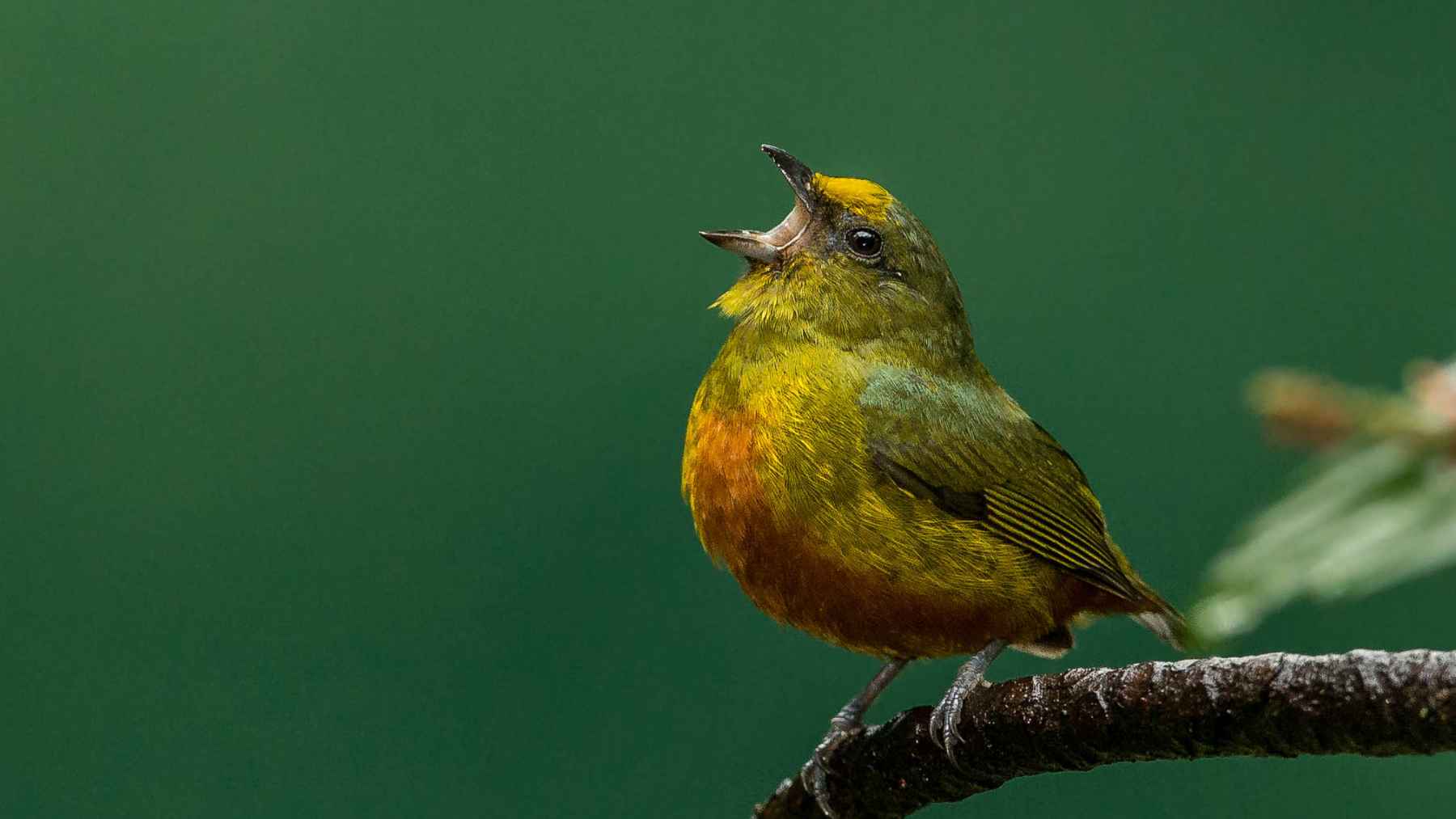
When you open a window at midday and hear birds singing, it can feel like a small gift. In many cases, it is also a clue about what your local environment is doing right, because birds usually invest in loud, repeated songs where they can communicate and stay safe.
So what does it really mean when the chorus shows up in your yard, not just at sunrise? It often points to usable habitat and a soundscape that is not drowning everything out, and research suggests those nature sounds can support our mental health too. But there is nuance here, because human-made noise and light can push birds to sing at unusual times.
Why birds sing after sunrise
Birdsong is not background music. For many species, songs are tied to territory defense and mate attraction, while shorter calls handle things like contact and alarms.
That is why you can hear singing well beyond the dawn chorus, especially during the breeding season. A bird calling from your tree is basically broadcasting “this spot is taken,” and the timing depends on when rivals and potential mates are active.
You will also hear quick, clipped notes mixed in, the sounds that warn of danger or keep a group in touch. In other words, daytime sound is a running conversation, not a one-time performance.
Birdsong as a neighborhood health check
Birds are widely used as bioindicators because their behavior and populations respond to habitat change and urban stressors. Researchers have even argued that common city birds can serve as “biomonitors” for exposures that can affect wildlife and people alike.
So if birds are comfortable enough to sing near your home, it often means there is shelter, food, and a place to perch, plus a soundscape where communication still works. It is not a full certification label for ecosystem health, but it can be a greener sign than silence.
What your ears pick up about noise pollution
Constant low-frequency noise from engines, construction, and even that steady hum of traffic can mask birdsong, forcing birds to sing louder or shift to higher pitches just to be heard. Reviews of bird communication in noisy environments describe masking as one of the main ways human noise disrupts critical signals.
In Madrid, researchers using the city noise map found great tits sing with higher minimum frequencies in noisier parks. If you rarely hear birds over the street roar, the issue may not be the birds – it may be the background noise winning.
Light at night can make birds sing longer
Here is the twist. More singing does not always mean better conditions, because artificial light at night can stretch a bird’s daily schedule.
A 2025 study in Science analyzed a global acoustic dataset with more than 60 million detections from 583 daytime bird species. On average, light pollution prolonged vocal activity by about 50 minutes, with birds starting around 18 minutes earlier in the morning and continuing about 32 minutes later in the evening.
The authors warn that longer activity could have mixed outcomes, from extra time to forage to higher energy costs and disrupted rest. So if the “daytime chorus” you notice creeps into late evening, it might be worth looking not just at your garden, but at porch lights and bright streetlamps.
Why birdsong feels good to people
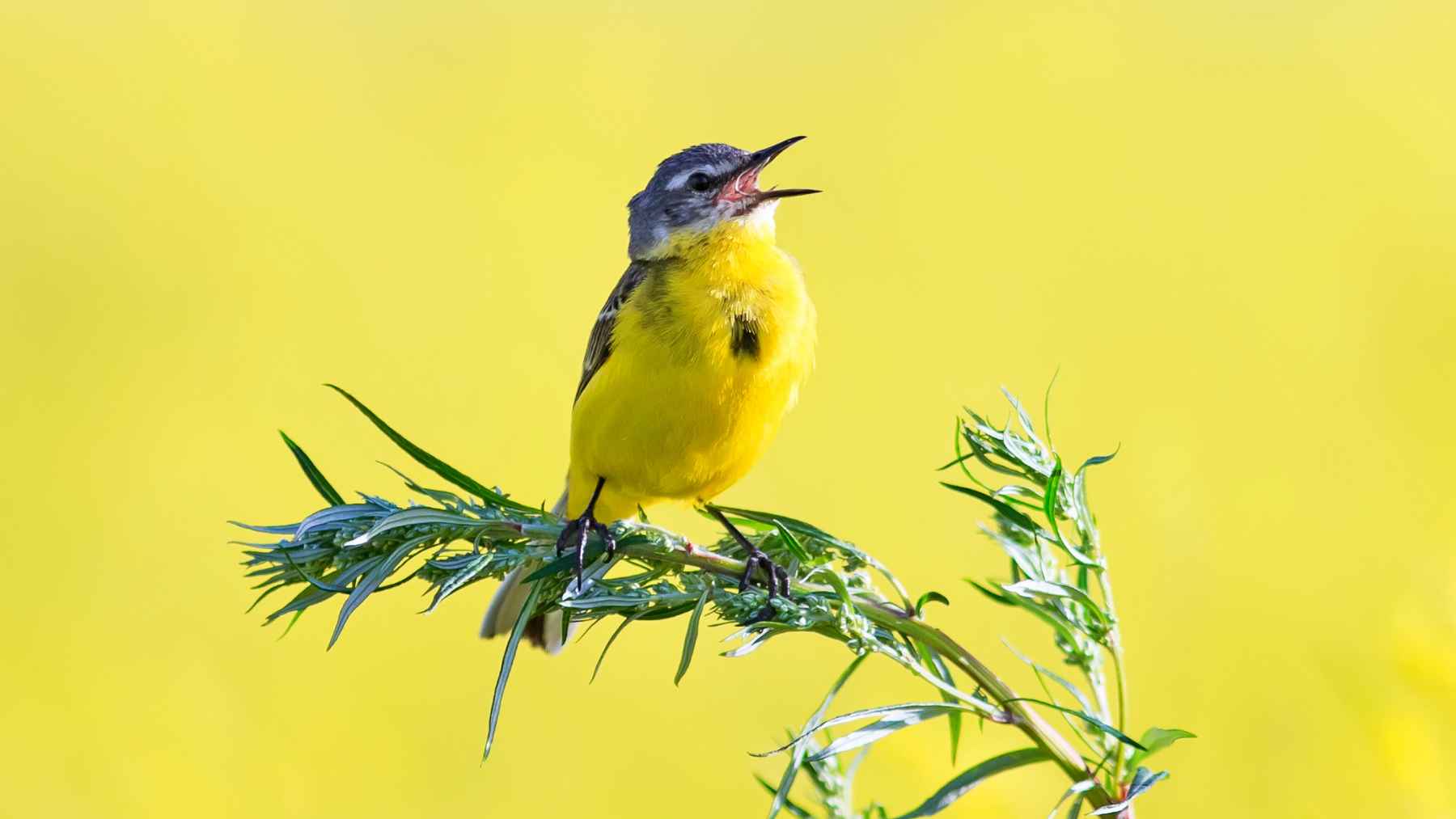
No wonder so many cultures treat birdsong as a sign of renewal and good fortune. Science does not test symbolism, but it does suggest that hearing birds can measurably shift how we feel.
In a 2022 smartphone-based study led by King’s College London, 1,292 participants reported their mental well-being in real time, and seeing or hearing birds was linked to better mood that could last up to eight hours.
In Scientific Reports, a randomized online experiment with 295 participants found that six minutes of birdsong reduced anxiety and paranoia, while traffic noise increased depression scores.
How to invite more birds without harming them
If you want more of that sound, the basics are simple and surprisingly practical. Native trees and shrubs provide shelter and the insects and fruits many birds depend on, and a small clean water source can make a yard more usable during dry spells.
Cutting back on pesticides matters too, since broad-spectrum insecticides can reduce the bug supply that feeds many songbirds, and chemicals can harm wildlife when misused. The U.S. Environmental Protection Agency advises using pesticides only when necessary and treating only the areas that need it to help minimize harm to birds and other beneficial species.
Finally, pay attention to the hazards we forget about because they are so normal. Turning off unnecessary outdoor lights at night helps keep natural rhythms in place, and if a bird builds a nest in an awkward spot, the safest move is usually to leave it alone and consult a local wildlife professional before intervening.
The study was published on PubMed.