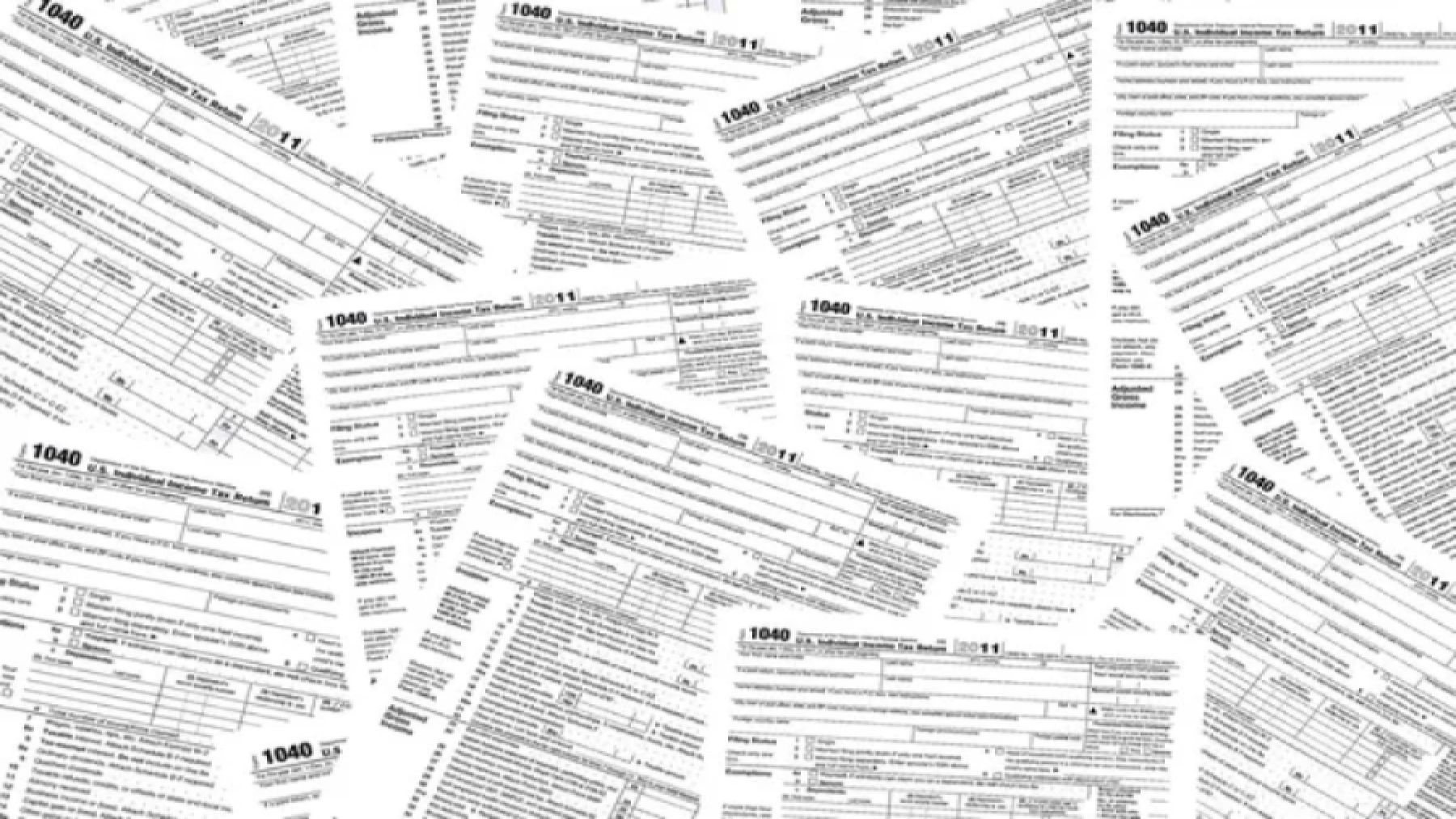
In mid-January, Pennsylvania’s Department of Revenue issued incorrect 1099-G tax forms to tens of thousands of residents, causing confusion and potential complications for taxpayers. Approximately 240,000 people received forms with incorrect figures, a mistake that was only recently discovered. These forms are critical for individuals who need to report state income tax refunds, credits, or offsets when filing their tax returns. Fortunately, the department is taking quick action to correct the error, ensuring that affected taxpayers will soon receive updated documents.
The scope of the mistake
The Pennsylvania Department of Revenue confirmed that about 240,000 1099-G tax forms were issued with incorrect information. These forms are typically used to report various tax-related items, such as state income tax refunds or credits. According to the department’s spokesman, Jeffrey Johnson, the error specifically impacted individuals who had requested a carry-forward credit. Unfortunately, the department inadvertently doubled the amount on the forms.
This mistake came to light when taxpayers began reviewing their forms and noticed discrepancies in the amounts reported. The department explained that the issue only affected those who had requested a carry-forward credit, which is used to apply unused tax credits from one year to the next. With the amounts incorrectly doubled, taxpayers were at risk of filing inaccurate returns unless the forms were corrected.
How the department is addressing the issue
The Department of Revenue is moving quickly to resolve the issue, ensuring that the corrected forms are distributed as soon as possible. While most affected taxpayers had their forms issued to online accounts, starting February 3, new, corrected forms began to appear in these accounts. Taxpayers are encouraged to check their online accounts for the updated forms.
For the approximately 2,000 individuals who received paper forms, the department assured them that they would receive corrected versions by mail in the coming days. In the meantime, the department has urged taxpayers to contact the Department of Revenue directly if they have any questions or concerns about their forms or the correction process.
“We apologize for any inconvenience and anyone who was affected is encouraged to contact us if they have questions,” the department said in a statement. This proactive communication helps to reassure taxpayers that their concerns are being addressed promptly.
A quick resolution in time for tax season
Despite the confusion caused by the erroneous forms, the Department of Revenue has stressed that the issue will be resolved quickly, offering reassurance to taxpayers. Johnson noted that the correction would take just over a week, allowing enough time for individuals to submit their 2024 tax returns by the required deadline. The department emphasized that the swift resolution of this issue would not hinder taxpayers from meeting their obligations. For residents affected by the error, the department’s commitment to resolving the mistake is critical, particularly given the looming tax filing deadline.
While receiving incorrect tax forms can be stressful, Pennsylvania’s Department of Revenue has moved swiftly to mitigate the impact of this error. Taxpayers who were affected can rest assured that corrected forms are on their way and that the department is working diligently to ensure that everyone can file their taxes accurately and on time.
In other news, once again, federal income tax brackets are also set to change this tax season. Adjusting federal income tax brackets each year is crucial to ensure that tax rates reflect changes in inflation and the cost of living. Without these adjustments, taxpayers could end up paying higher taxes simply because their incomes have increased slightly to keep up with inflation, a phenomenon known as “bracket creep.” This could push individuals into higher tax brackets, even if their purchasing power has not actually increased.