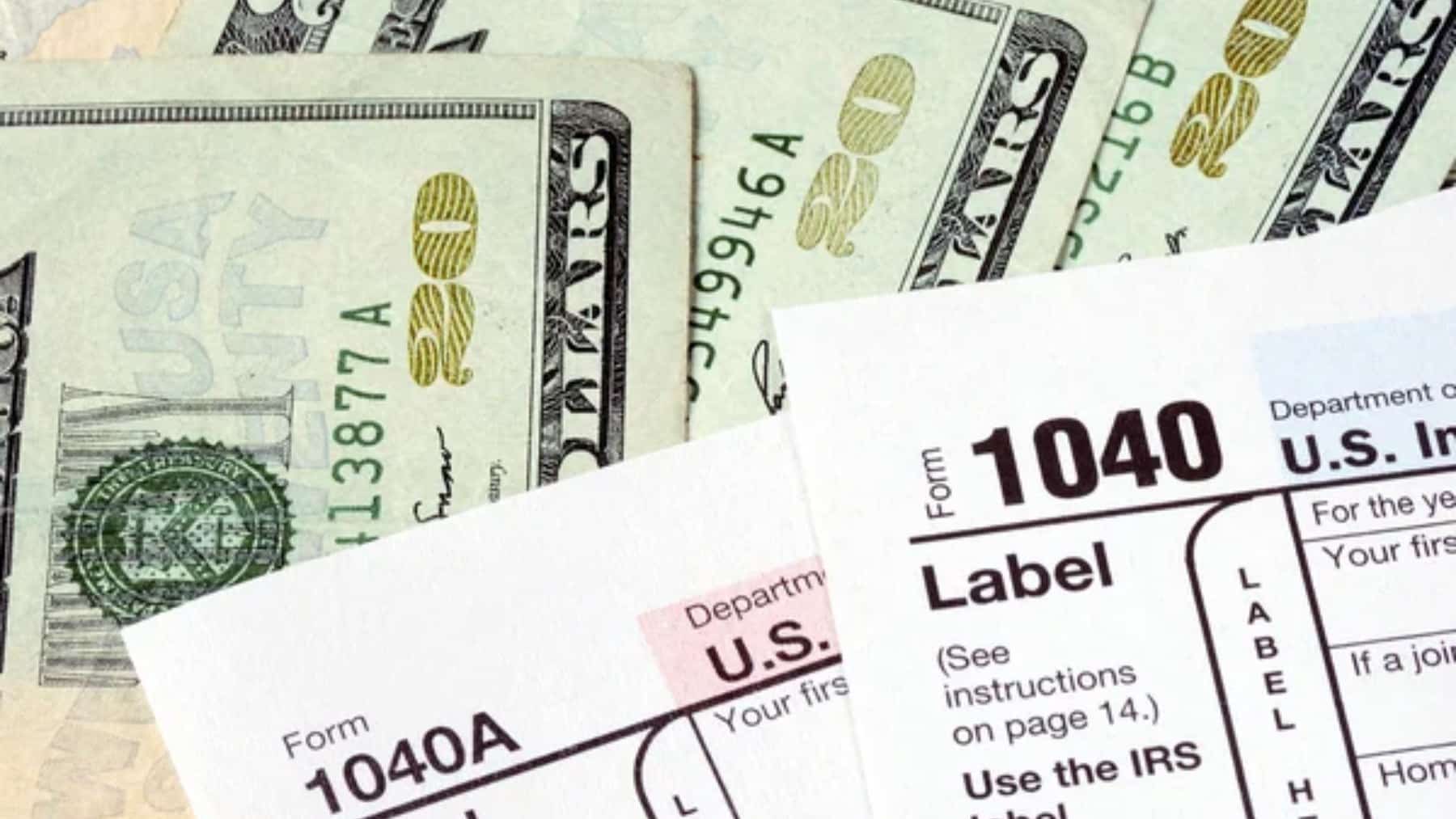
The tax season is currently in full swing. Every year, millions of Americans need to file their income tax statements. This is a federal requirement that requires all citizens earning above a certain threshold of income to report their income to the Internal Revenue Service (IRS) to pay their taxes. The good news is, many Americans can also be expecting to receive refunds on their taxes this month, with amounts differing depending on how much you overpaid the IRS, and how much debt you owe the federal government.
Who must report their income?
If you have never filed your taxes before, the process can seem very confusing and daunting. Generally speaking, if you are employed by an employer, the process is relatively simple. However, if you are self-employed, or also possess other income-earning assets such as investments, the process can be a bit more complex. The IRS requires that you report on all income that you earn, which means if you are earning money outside of a salary, it may take more time to file your taxes to ensure you are completely transparent on where your sources of income are coming from.
The IRS requires that you must file your taxes if your income meets the following criteria:
- You are under the age of 65 and earn over $14,600 as a single filer
- You and your spouse are under the age of 65 and earn over $29,200 as a married couple filing jointly
- You are over the age of 65 and earn over $16,550 as a single filer
- You and your spouse are over the age of 65 and earn over $30,750 as a married couple filing jointly
There are additional income limits for those whose spouses fall into different age brackets to them as well as for survivors, married couples filing separately, and heads of households. Importantly, even if you do not meet the income limits to file your taxes, you must file if you want to receive a tax credit. This is to ensure that the IRS can verify your annual income to determine if you qualify for the tax rebates.
When to expect your tax refund this month
According to the IRS official website, this month, you can expect to receive your Earned Income Tax Credit and/or the Additional Child Tax Credit. The Earned Income Tax Credit is for low-income families with children. The Additional Child Tax Credit is also designed for low-income families with children, however, to qualify for it, you must first meet the eligibility requirements for the Child Tax Credit. Both the Earned Income Tax Credit and the Additional Child Tax Credit are refundable tax credits.
If you have already claimed for the Earned Income Tax Credit and/or the Additional Child Tax Credit, you should have received your credit on March 3 provided you did the following:
- You opted for the e-filing method instead of mailing in your tax returns
- You indicated that you would like to see your refund be refunded through direct deposit
- The IRS did not flag any problems with your returns
What to do if you do not know how to file
If you are struggling to file your taxes, the IRS official website provides useful resources for you to use to help you determine if, and how, you must file your income tax. If you need more time to file your taxes, you can also request an extension from the IRS. If you earn less than $67,000, the IRS will provide you with a certified volunteer to help you file your taxes correctly. This is also the case if you are disabled, need language support, or are older than 60.