Finding a place to retire can feel a bit like online dating, with glossy promises and then the hard reality of your budget. If you dream of mild, sunny weather all year, far from crowds but close enough to water to watch the light on the waves, you are not alone.
That is exactly what a MarketWatch reader named Esta asked for, with $125,000 to spend. She wants something that sounds almost mythical: a warm, sunny version of Alaska, ideally with low humidity and a sense of remoteness.
Add in the requirement of living on or near the water, and the hunt becomes even trickier. The good news is that there are still small towns and even a floating option that match parts of that wish list. The less fun news is that some compromises will probably be necessary, whether that means accepting winter, summer humidity or a different kind of shoreline.
Why is it hard to find a warm, remote waterfront town under $125,000?
Warm, sunny, mild weather all year, low humidity, a remote setting and waterfront access rarely come packaged at a bargain price. Once you insist on being near lakes, rivers or the ocean, prices in many coastal communities quickly run past a $125,000 budget. Guidance from MarketWatch’s Where to Retire tool, which now shows results by county and lets users filter by politics, snowfall and other factors, suggests adjusting at least one part of the dream.
In practice this means choosing between cooler lake towns that get winter weather, or warmer spots where the air feels heavier in summer. The key question is simple, even if the answer is not: do you care more about January temperatures or August humidity?
Which cooler lake towns match this retirement wish list?
If Esta, or anyone with similar tastes, can live with some winter weather, two small northern towns stand out. North Hero, Vermont, sits on Lake Champlain, and Penn Yan, New York, is on one of the Finger Lakes. Both places offer homes that fit the $125,000 budget while still giving that combination of water access and a slower pace of life.
The trade-off is that these towns do not offer year-round mild conditions. For some retirees that is a deal breaker, but for others the idea of a quiet town by the water in every season is a fair price to pay for staying within budget.
What warmer small towns by rivers and lakes could work instead?
For retirees who refuse to give up on warmth, the picture changes. If you can be flexible about humidity and let go of the dream of oceanfront property, more choices appear in the form of small river and lake towns. Here are three of the towns highlighted in the MarketWatch column:
- Washington, North Carolina, in Beaufort County, sometimes called “Original Washington” or “Little Washington”, sits where the Tar and Pamlico rivers meet. It serves as a gateway to the Albemarle-Pamlico sounds, described as the second-largest estuary on the East Coast. It is about an hour and 40 minutes by car from North Carolina’s Atlantic Beach, features Victorian and pre-Civil War buildings that survived fires in 1864 and 1900. With a population under 10,000 as of 2021, it has humid summers.
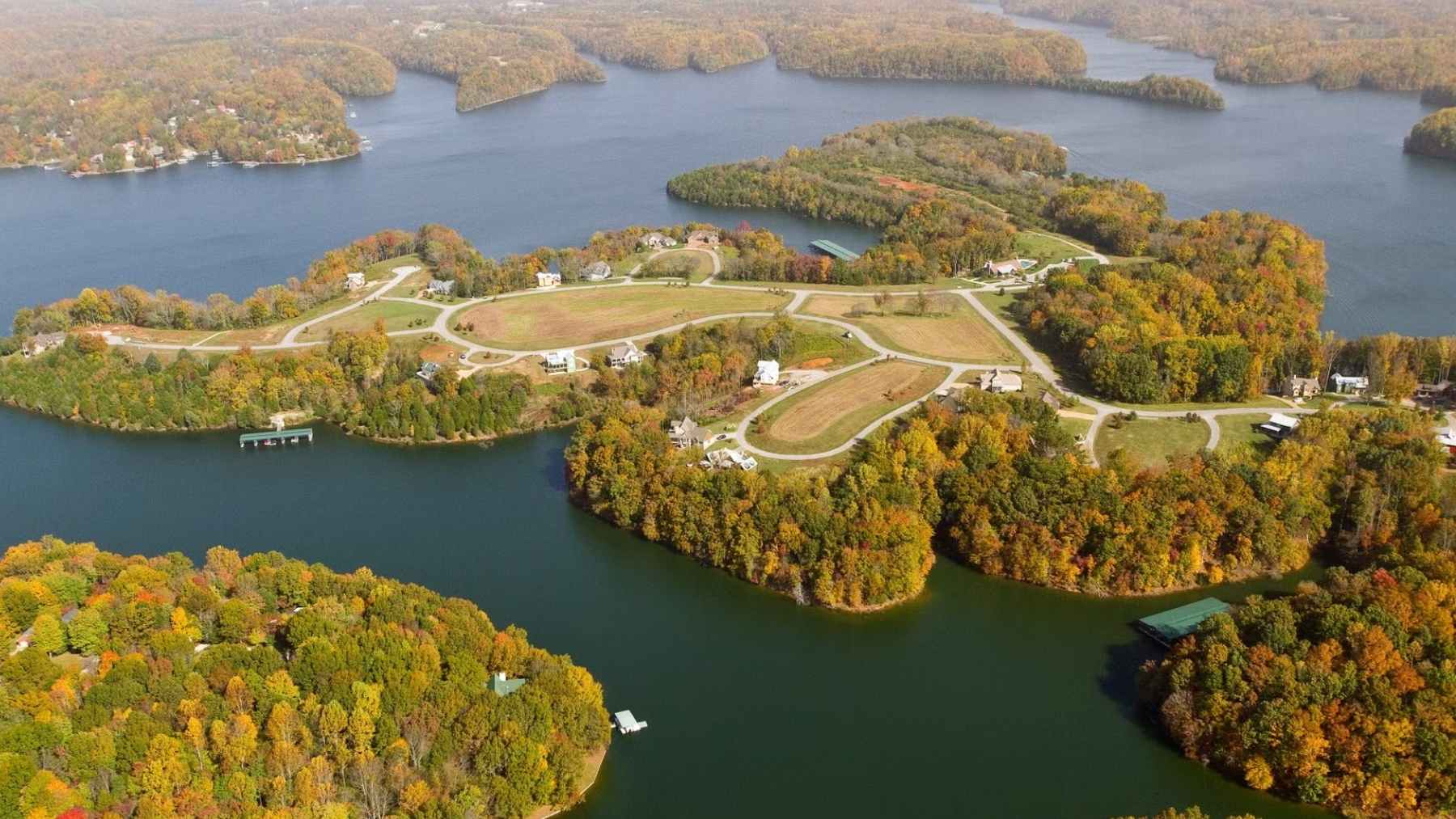
- Winchester, Tennessee, on Tims Ford Lake in Franklin County, also has fewer than 10,000 residents and features an Art Deco courthouse, a historic theater, small shops and restaurants and community events such as concerts and wine tastings, with the lake close by for those who prefer peace and quiet.
- Camdenton, Missouri, in Camden County, lies on the Lower Niangua arm of the Lake of the Ozarks, described as one of the country’s largest man-made lakes, and has a population of about 3,700; it is close to Ha Ha Tonka State Park and Bridal Cave, known for its stalactite and stalagmite formations, the pointed rock shapes that hang from cave ceilings and rise from the floor.
In Washington, the column notes that summer humidity is simply part of life, a reminder that year-round warmth rarely shows up alone. Anyone considering these warmer towns has to decide how much they mind thicker air in exchange for lighter winters.
How does a houseboat change the retirement equation?
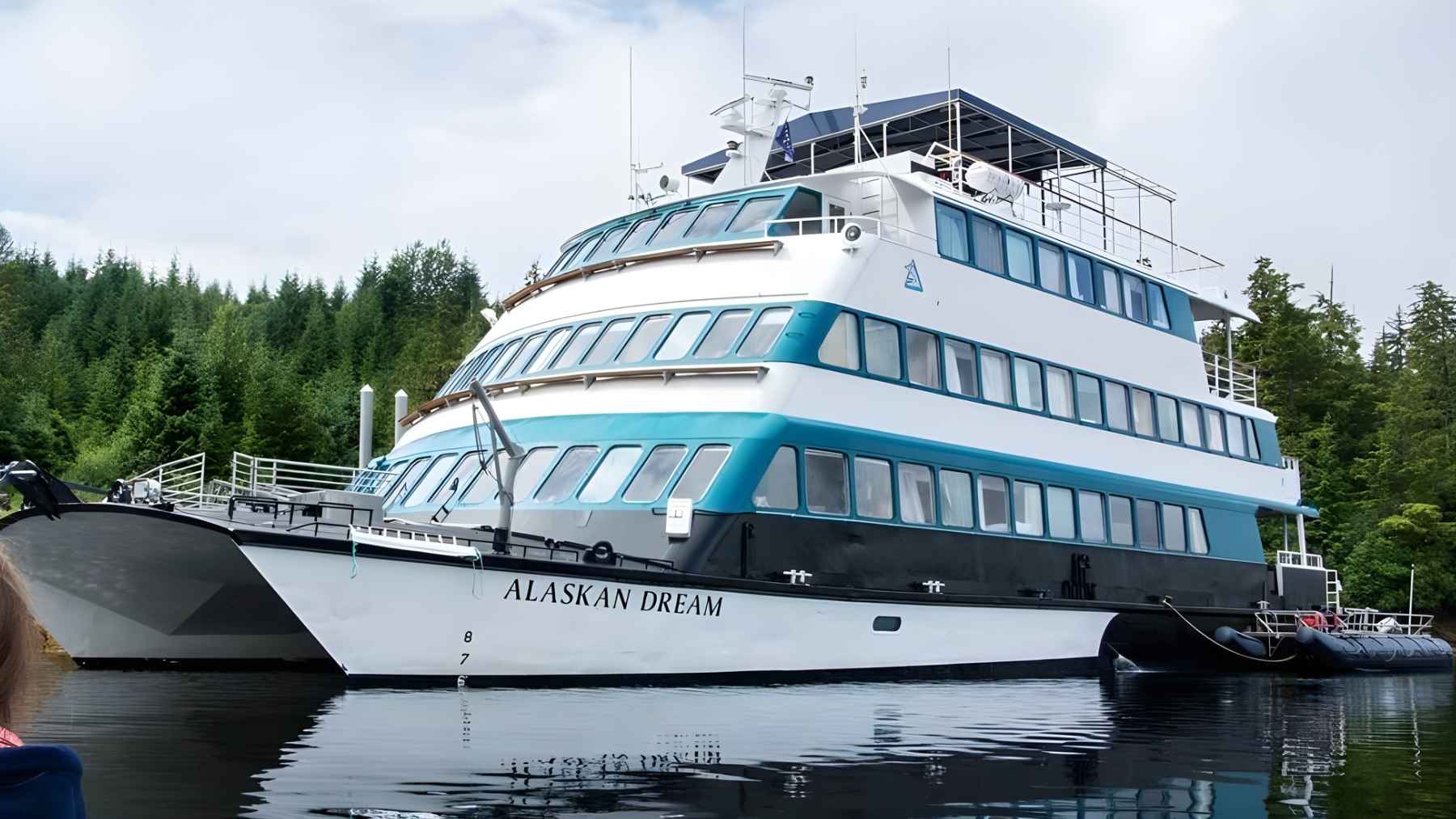
The column also floats a more unconventional idea for retirees who cannot find a single town that checks every box. Instead of picking one place on land, it suggests looking at a small used houseboat that could be docked in a location of your choice, as long as the purchase price stays within the $125,000 limit.
That approach comes with its own ongoing costs. Each year you would have to budget for mooring fees (the charge to keep the boat tied up in a marina), insurance, fuel, maintenance and pump-out fees (the cost of having the boat’s waste tanks emptied).
What practical steps can retirees take from these examples?
Taken together, these options underline one main lesson for Esta and anyone in a similar situation. First, decide which preference is truly non-negotiable: living near the water, staying under $125,000, avoiding winter weather or avoiding humidity. Keeping all four at once is very difficult.
From there, you can follow the same path used in the column. If you can handle some winter, lake towns like North Hero and Penn Yan come into play. If warmth matters more and you can be flexible about humidity and location, small inland communities such as Washington, Winchester and Camdenton offer river or lake access without oceanfront prices. And if every town still feels like a compromise, the houseboat idea leaves room, quite literally, to move.