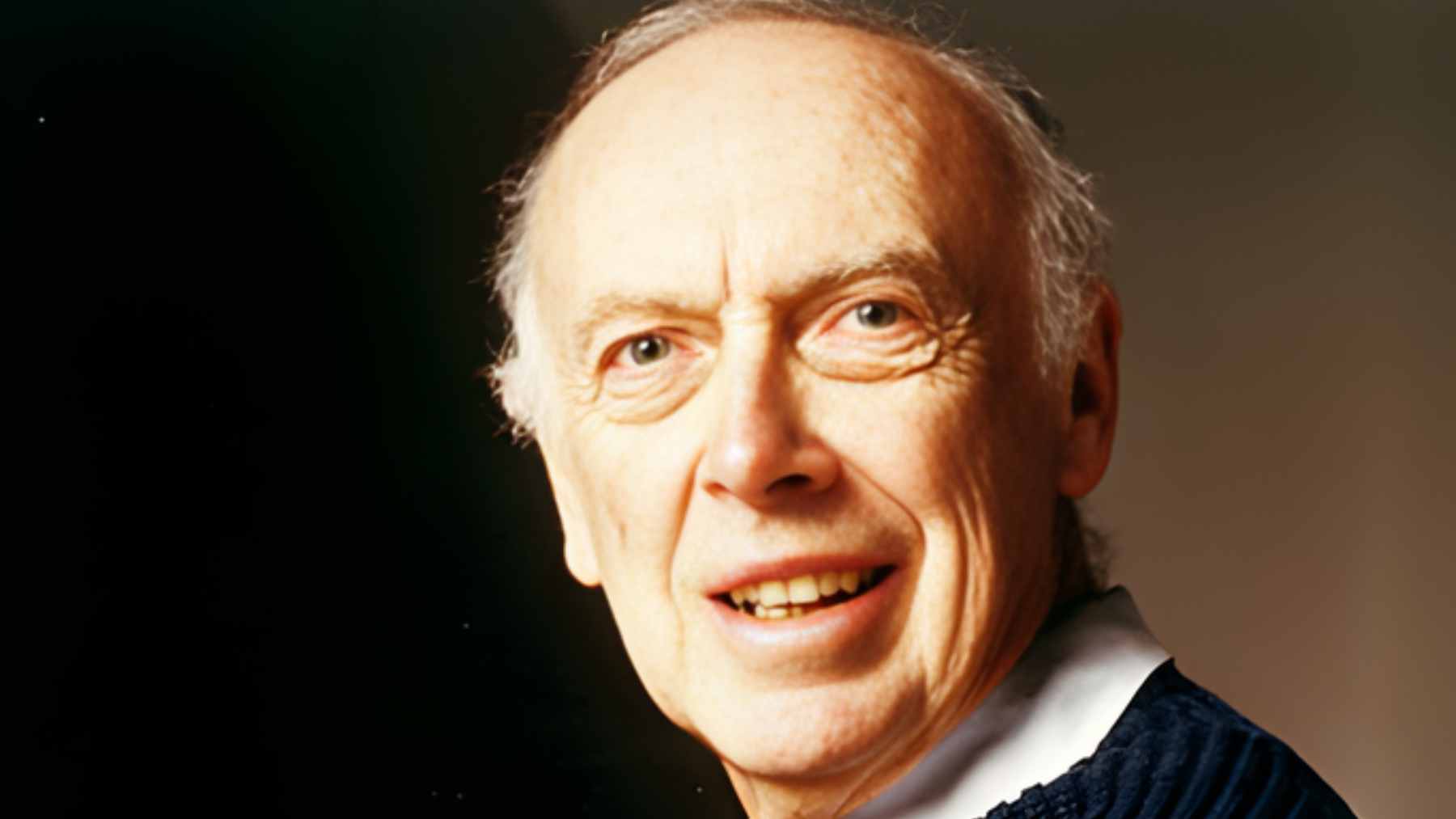
How does a scientist go from Nobel hero to cautionary tale? James Watson, the American biologist who shared the 1962 Nobel Prize for helping reveal DNA’s double helix, died on November 6, 2025, at age 97 with a legacy split in two.
One part reshaped modern biology, while the other was broken by years of racist claims about race and intelligence that institutions later rejected as baseless.
That split matters because Watson was never a fringe figure. He helped shape molecular biology, guided the early Human Genome Project, wrote books that influenced generations of students, and spent decades helping turn Cold Spring Harbor Laboratory into a major center for research and education.
But prestige only goes so far, and when he reaffirmed his views in 2019, the laboratory removed his remaining honorary titles.
The discovery that changed biology
In 1953, Watson and Francis Crick proposed the double helix model of DNA at Cambridge. Cold Spring Harbor’s own memorial notes that this breakthrough relied on data from Rosalind Franklin, Maurice Wilkins, and colleagues at King’s College London, and it gave scientists a far clearer view of how hereditary information is organized.
Nine years later, Watson, Crick, and Wilkins received the Nobel Prize in Physiology or Medicine for work on the molecular structure of nucleic acids and its role in information transfer.
His influence did not stop with one famous paper. Cold Spring Harbor says Watson later carried out pioneering research on small viruses, oversaw work that helped demonstrate the existence of messenger RNA, and advanced knowledge of gene expression and how RNA is translated into proteins.
In practical terms, that means his fingerprints are all over modern molecular biology.
Watson was also a force in science education and public writing. The laboratory credits his textbook “Molecular Biology of the Gene” with changing how biology was taught, while his 1968 memoir “The Double Helix” became a sensation even as it stayed controversial.
That mix of brilliance, competitiveness, and public visibility made him far more than just another Nobel winner.
When controversy overtook achievement
The trouble, though, did not begin at the end of his life. In 2007, Watson was widely condemned after saying he was pessimistic about Africa because, in his words, “all the testing says not really,” referring to the supposed equality of intelligence between Black and white people.
Cold Spring Harbor suspended him soon after, and London’s Science Museum canceled a scheduled appearance.
Watson later issued an apology through Cold Spring Harbor, saying the remarks attributed to him were hurtful and that the “bigoted remarks” did not reflect his beliefs. For a while, that seemed to slow the damage. But the issue never really disappeared, as later events showed.
In 2019, after a PBS documentary aired, Watson again defended his views on ethnicity and genetics.
This time Cold Spring Harbor responded much more sharply, calling the comments “reprehensible” and “unsupported by science” and saying they were completely incompatible with the institution’s mission and values. That was the moment the last thin thread snapped.
The institution that once celebrated him finally cut ties
That 2019 response was not just a reprimand. Cold Spring Harbor said Watson had already been removed from administrative duties in 2007 and had lost his status as chancellor, but after the documentary it also revoked his honorary titles of Chancellor Emeritus, Oliver R. Grace Professor Emeritus, and Honorary Trustee.
For a scientist tied to the laboratory since 1947 and its director from 1968, that was a remarkable public break.
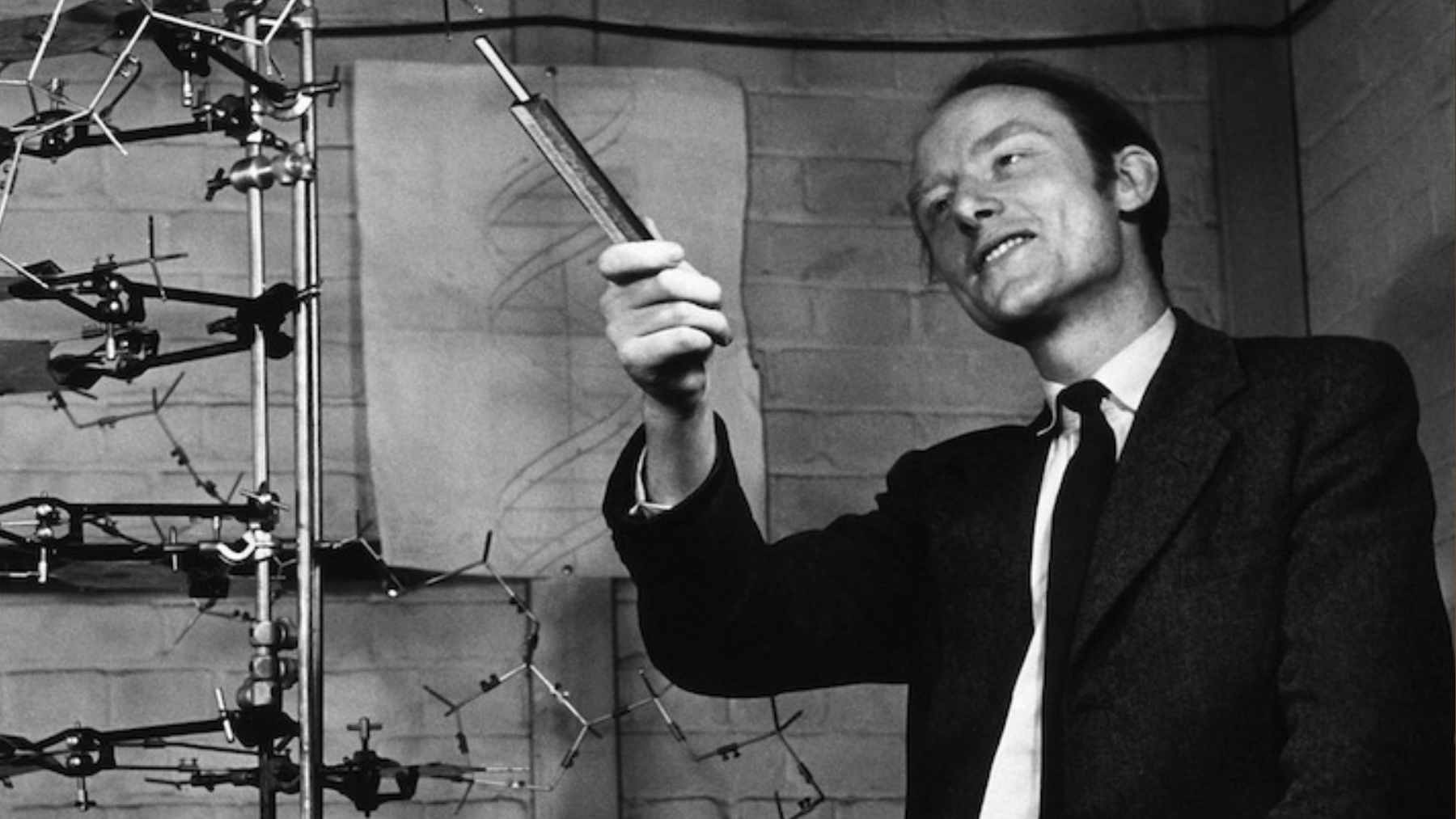
The decision also carried symbolic weight because Watson had helped build the place that was now rejecting him. Cold Spring Harbor’s memorial says he steered the lab toward cancer research, expanded meetings and courses, and helped make it one of the world’s leading research institutes.
Science can honor discovery, but institutions still have to draw lines when evidence is misused to justify prejudice.
A brilliant and broken legacy
Even before the final break, Watson’s public standing had already frayed. In 2014, he became the first living Nobel laureate known to auction his medal, which sold for more than $4.7 million, and he said some of the money would go to scientific institutions tied to his career.
The buyer later returned the medal to him, turning the sale into a strange symbol of both fame and isolation.
After his death, Cold Spring Harbor’s memorial still listed the achievements that made Watson impossible to ignore, from the DNA breakthrough to his role in the early Human Genome Project. But his story now reads less like a clean tale of genius and more like a warning label.
A scientist can help decode life itself and still lose public trust when prejudice gets dressed up as genetics. That is what readers should keep in mind when Watson’s name comes up in discussions of modern science.
The official statement was published on Cold Spring Harbor Laboratory’s website.