Since the catastrophic nuclear accident at the Fukushima power plant in 2011, Japan has had a difficult time meeting its energy needs using renewable energy. The country may have just found its answer in this new development in solar power.
The state of Japan’s renewable industry since the Fukushima disaster of 2011
In 2011, a tsunami hit Japan on its east coast, colliding with the Fukushima power nuclear power plant and releasing hazardous nuclear waste into the region.
One of the innumerable effects of this tragedy was the loss of an incredibly valuable producer of renewable energy.
Since 2011, Japan has undertaken efforts to reinvigorate its renewable industry in an effort to meet its 2050 net zero target. A recent development in the field of solar energy could be the key to awakening Japan’s dormant renewable potential.
It’s bendy, versatile, and it might just be the answer Japan has been looking for
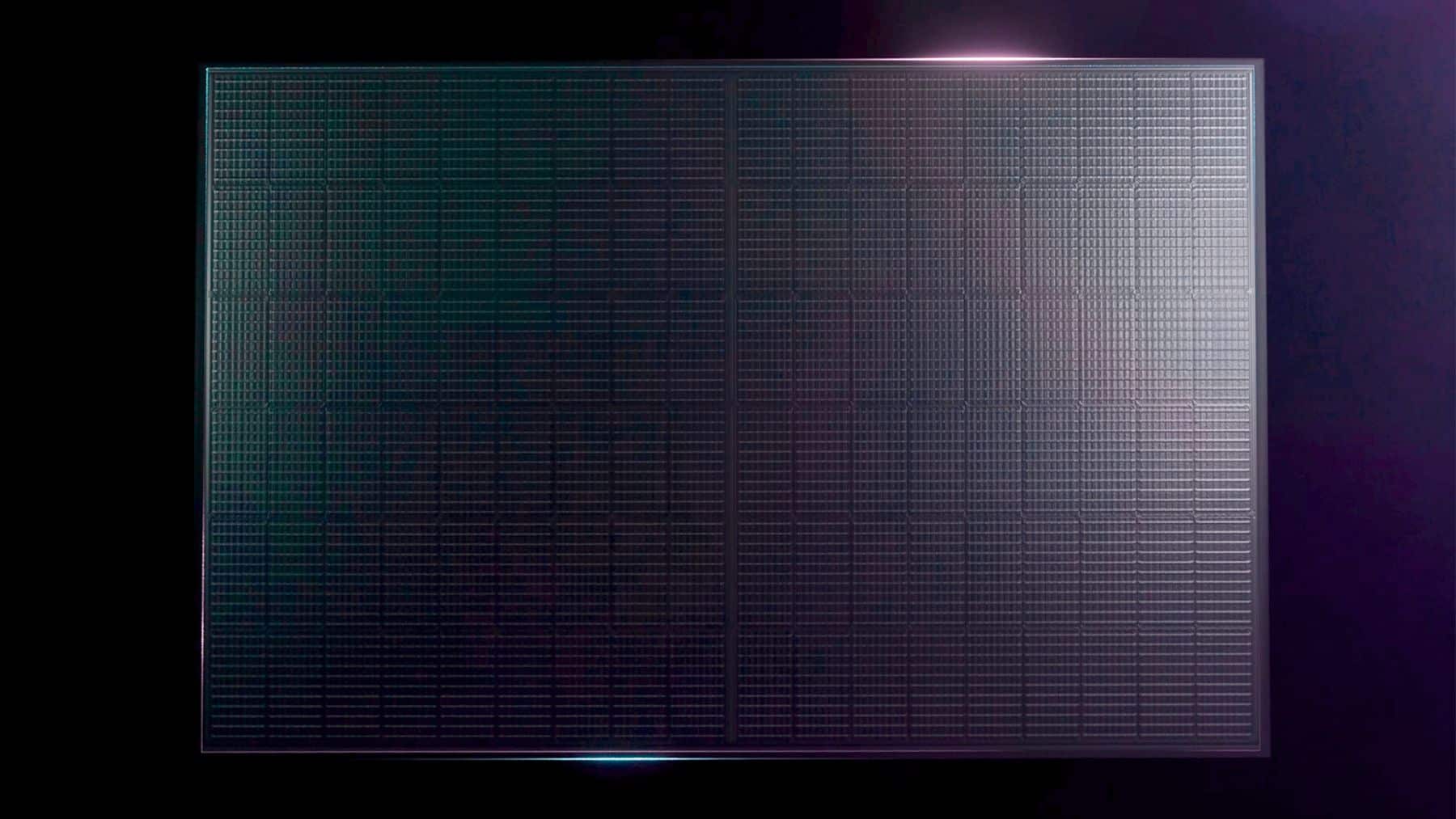
Scientists in Japan have been discussing the possibility of using a material called perovskite for solar panels as opposed to the traditional silicon-based cells.
Perovskite solar cells differ from their conventional silicon-based counterparts in a number of ways.
The perovskite tandem cell has a theoretical efficiency limit of 43 per cent, while the silicon-based cell has a theoretical efficiency limit of 29 percent. It is speculated that these solar panels will be able to produce 20 gigawatts of electricity by 2040 (just in time for Japan’s 2050 goal of net zero carbon emissions).
20 gigawatts, mind you, is roughly equivalent to the amount of power produced by 20 nuclear reactors.
The perovskite solar cell is also flexible. Where the traditional silicon based solar panel must be placed on a flat surface (or like this strange design, in a tree formation), the perovskite solar panel can bend and acclimate to its environment. This means that perovskite solar panels can be placed on anything from cars to the edifices of curved buildings.
In a highly populated country like Japan, the space for solar panels is limited to the tops of buildings and perhaps the sides of very straight buildings. The use of perovskite solar panels will broaden the possibilities for solar power as it can be incorporated into everyday items and technology like headphones.
Japan might be leading the charge in solar energy very soon
Under Section 0 of Japan’s revised energy plan, the Ministry of Industry prioritises the use of perovskite solar cells over the less efficient silicon-based solar cells of yore.
Japan is the second-largest producer of iodine in the world. Iodine is an important ingredient in the production of perovskite solar cells. Japan is uniquely positioned to lead the charge in both the production and utilization of perovskite solar cells, displacing larger producers of solar energy like China.
The economic independence the use and production of perovskite solar cells would grant Japan cannot be understated. Japan, once the leader in solar panel production, has fallen behind its Chinese competitor in the global market. Perovskite could be the key to wresting back dominance of the solar market from China.
Japanese company, Sekisui Chemical Co., with the help of the Japanese government, is now working towards developing advanced perovskite solar cells for circulation in the global market in the 2030s.
From mystery material to material gain – the future of Japan’s solar industry
The production of perovskite solar cells has the potential to fundamentally alter Japan’s energy consumption and production practices. Trends are already indicating a greater reliance on renewables in Japan. Today, 10% of Japan’s energy consumption is solar, compared to only 1.9% in 2014.
If the perovskite solar cell takes off like it is expected to, Japan’s reliance on solar power will only grow. The use of perovskite in solar panels, along with other innovations in Japan (like this massive floating solar farm) have exciting implications for both Japan and the rest of the world.