Japan launched an extensive plan to build the biggest floating solar power facility on the planet. This innovative method for renewable energy production will revolutionize solar power operations worldwide. The nation implemented this revolutionary undertaking according to the following framework.
Japan’s enormous floating solar power operation is a revolutionary transformation for renewable power generation.
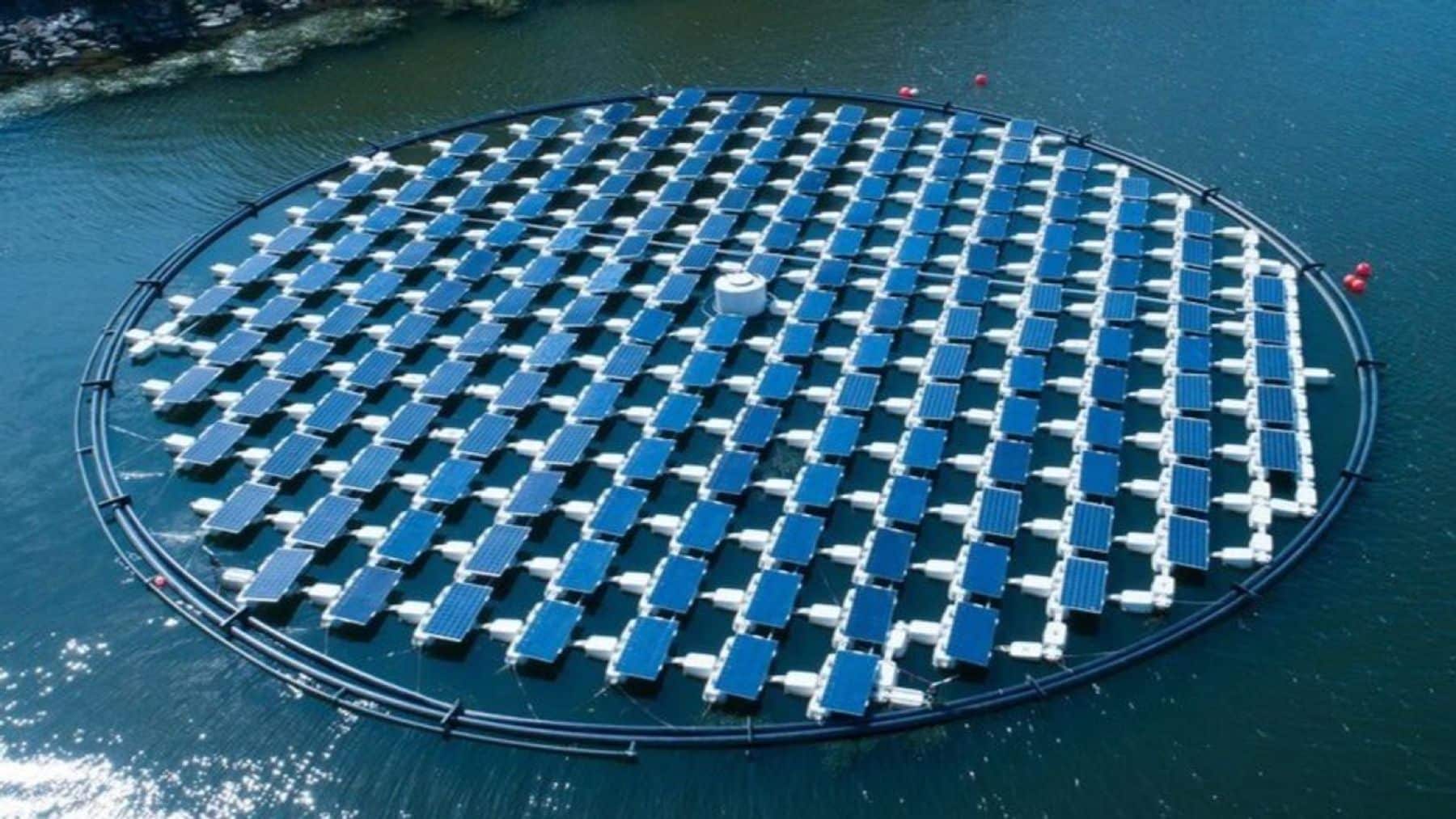
Kyocera is conducting construction toward building what it describes as the biggest floating solar farm ever in existence. Situated on a Japanese reservoir in Chiba prefecture, the power facility will generate electricity for about 5,000 households when operational in early 2018. Japan launched this floating solar project as a means to develop renewable energy after the damage caused by Fukushima in 2011.
The Yamakura Dam power plant will contain 50,000 solar photovoltaic panels, occupying 180,000 square meters. The solar power plant occupies a moderate area compared to ground-based solar facilities. Upon completion, the Yamakura Dam power plant will operate at 13.7MW, which is insufficient to enter the list of the top 100 solar photovoltaic farms worldwide. The innovative approach to space management, together with resource utilization, determines the significant influence of this project.
No land? No problem! The innovative implementation of solar energy through water resources by the Japanese power industry
Japanese solar power developers seek floating solar farms because they lack adequate space to build utility-scale solar installations nationwide. Japan implements floating solar farms within its territory because it experiences space constraints as it advances its renewable energy capabilities(similar to this innovation). Japan faces challenges in reducing emissions because the shutdown of nuclear power plants requires higher imports of fossil fuels. Kyocera executes a strategic decision to construct facilities on water because of limited land availability.
Publishing solar arrays on water surfaces presents an excellent power generation alternative for land-scarce regions with extensive water space. Maximizing available space and reducing reservoir water evaporation become possible through this approach. Floating solar farms present multiple advantages at the technological and environmental levels. The overall technological aspects of constructing floating solar farms stay uncomplicated.
The leading difficulty is preventing wiring from water access while locating the power converters for electricity conversion onto floating installations. Despite these challenges, the rewards outweigh the risks. Floating solar panels prevent water evaporation in reservoirs, thus helping areas with limited water supplies. Water contact with solar panels leads to increased operational efficiency and longer life expectancy of the panels. This modern solution enables optimal land allocation because it has a reduced impact on land utilization.
Floating solar farms are a potential solution for future global energy production.
Japan’s floating solar success demonstrates potential global significance because of its model. This solar model is an excellent renewable energy solution for nations with limited land resources to enhance their green energy production capacity. The UK has initiated the development of its substantial floating solar facility for Greater Manchester reservoirs, which will become Europe’s biggest when construction is finished.
Ray Noble from the UK-based Renewable Energy Association said this technology remains uncomplex, yet the main motivation behind creating floating farms stems from scarce land availability. Various specialists view floating solar facilities as suitable for areas with high population density. Japan creates history by deploying the largest floating solar power complex in human history.
Japan leads the way by using water sources to generate solar power, thus setting an example that other nations should follow. The innovative solution combats land limitations and brings multiple technological and environmental advantages. Solar farms that float on water bodies can potentially address the world’s energy needs effectively. Japan’s project demonstrates how renewable energy projects, alongside innovative solutions, can effectively face obstacles to success. Floating solar(similar to this) facilities that show great promise for success will power the advancement of solar technology.