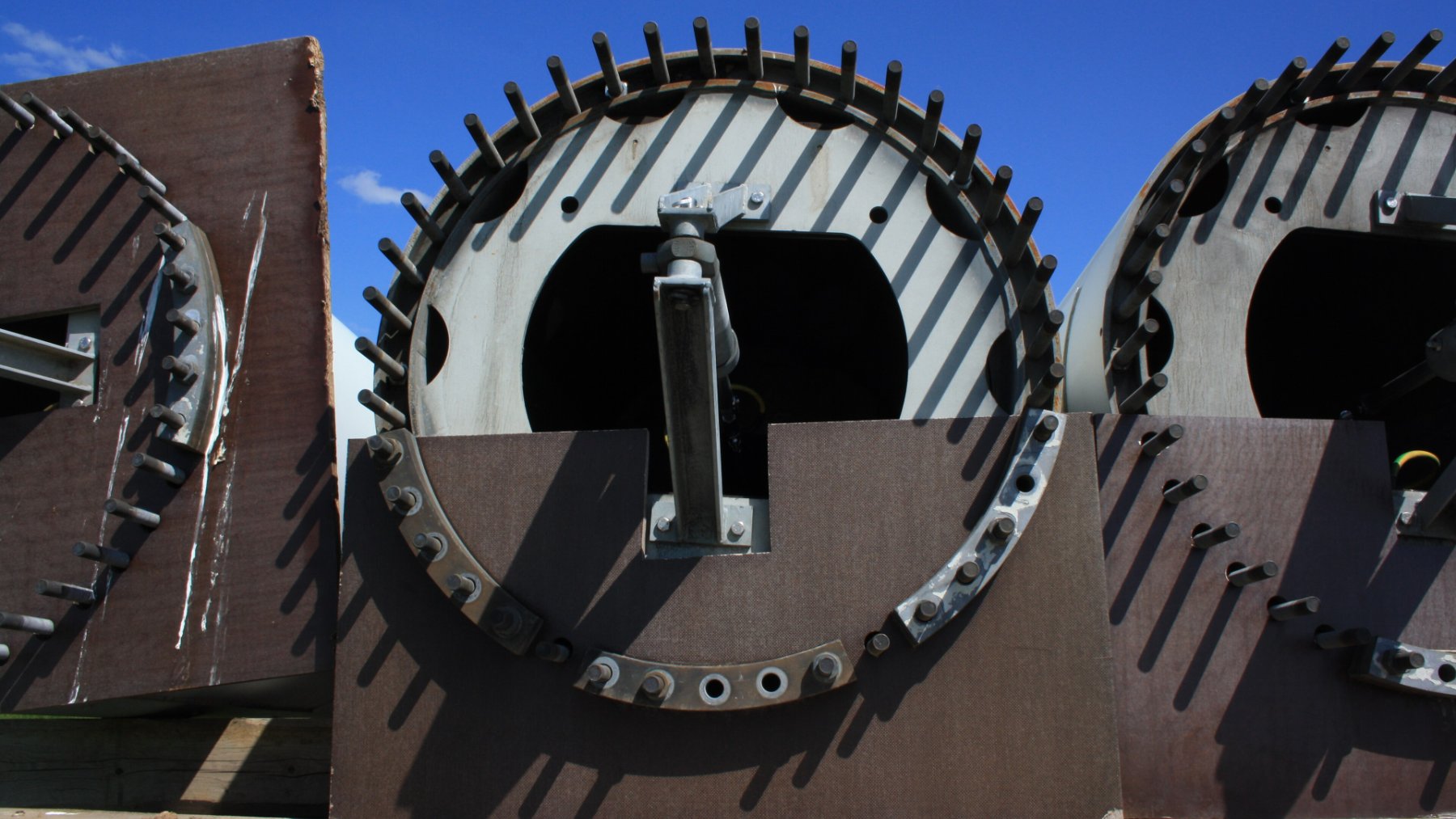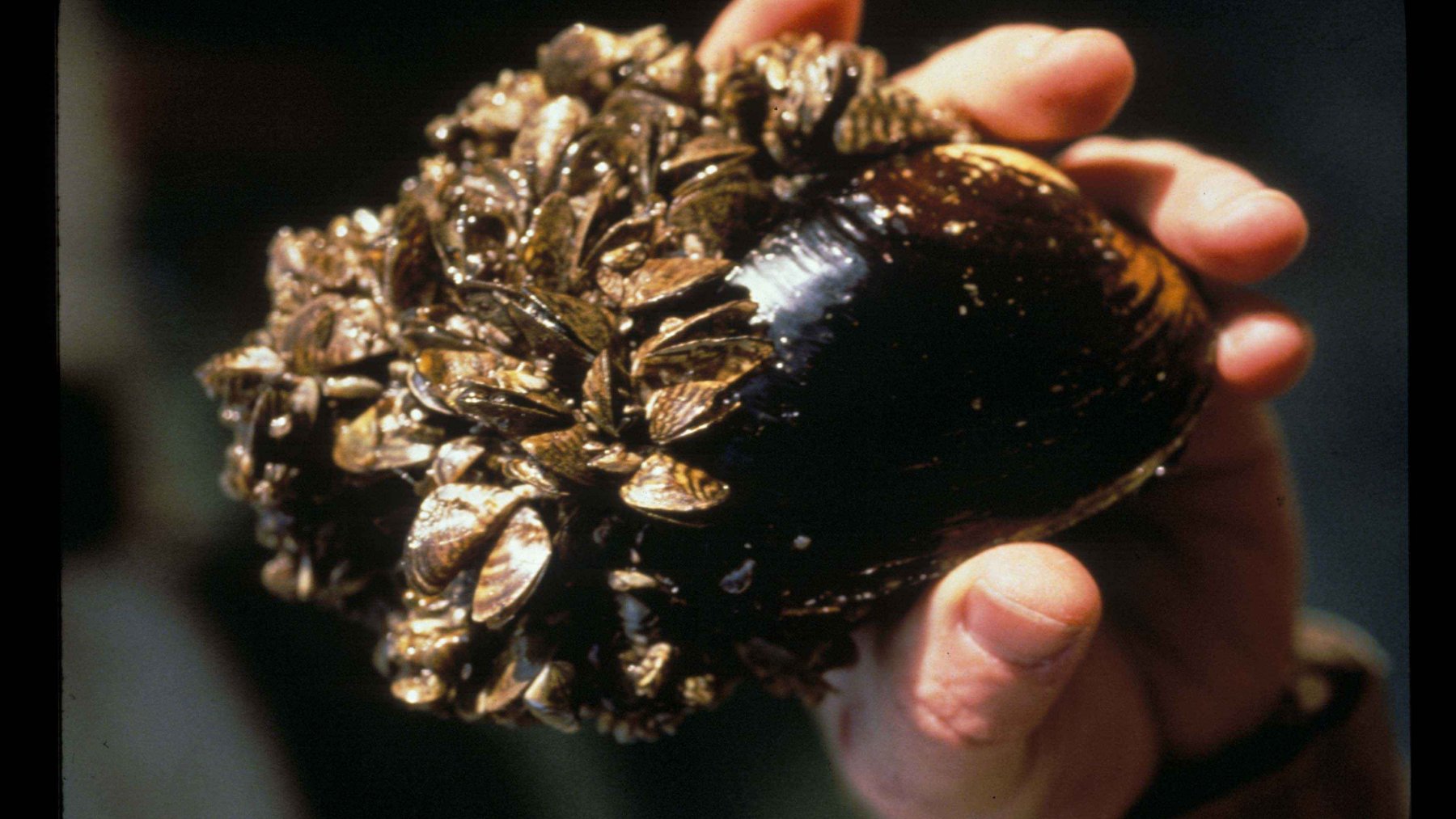
Three massive intake gates at Gavins Point Dam near Yankton, South Dakota, recently came out of the Missouri River carrying an average of 25,000 extra pounds each. The added weight was zebra mussels and debris, according to an August 9, 2026, report by Dakota News Now.
The cleanup reveals a less visible challenge for renewable energy. Mussels can clog the cooling systems that keep generators running, and treating incoming water does not solve an infestation across an entire reservoir.
A heavy problem for the powerhouse
A clean intake gate weighs about 88,000 pounds. The three gates averaged 113,000 pounds before cleaning, a roughly 28% increase that amounted to about 75,000 pounds of material altogether.
“Zebra mussel is the toughest thing right now,” Eric Johnson, the dam’s maintenance and operations manager and assistant powerplant superintendent, told Dakota News Now. He described the species as the powerhouse’s biggest problem over the past decade.
Gavins Point provides hydropower supporting about 68,000 homes annually, according to the Army Corps. Keeping that generation available depends on more than the turbines themselves, as the cooling-water problems show.
Why small mussels can stop large generators
The more disruptive damage can happen inside the plumbing. Microscopic larvae enter with untreated reservoir water, attach to surfaces and grow into colonies that restrict flow through pipes and cooling equipment.
Without enough cooling water, equipment temperatures can rise until a generator has to shut down. Even dead mussels remain a problem, because loose shells can break away and create another blockage farther along the system.
A December 2019 Army Corps report said mussels were forcing one of the dam’s three generators offline once or twice a month. It also estimated that mussel-related work consumed 2,500 staff hours between 2014 and December 2018, time unavailable for other maintenance. Those figures describe the earlier infestation, rather than the dam’s current outage rate.
A fast-growing invader
Zebra mussels are native to Eurasia, and an established population was discovered in Lake St. Clair in 1988. Near Gavins Point, the first detection came in 2014 on the underside of a dock being removed for winter. Scientists believe the species initially reached the Great Lakes in ballast water discharged by ships.
How does such a small animal become so difficult to manage? Adults reach only about 1.9 inches long, but a female can release up to a million eggs in a breeding season. Their microscopic larvae drift through water before settling onto hard surfaces.
Ultraviolet light helps, but it cannot clean a lake
Gavins Point installed a $1.045 million ultraviolet treatment system in February 2019 to kill larvae entering its water systems. Self-cleaning strainers also remove larger material, tackling the problem before it reaches vulnerable equipment.
But this is targeted protection, not a reservoir-wide cure. The Corps explained in 2021 that ultraviolet treatment only affects water passing through the equipment and does not remove adult mussels already established elsewhere in the system.
In practical terms, the treatment system and the gate cleanup address different parts of the same invasion. Structures exposed directly to the lake still need attention even when incoming cooling water is being treated.
The effects extend beyond electricity
The same ability to coat pipes threatens drinking-water intakes and irrigation systems, not just power plants. For communities along the Missouri, that makes invasive-species control a water-supply issue as well as an energy issue.
There is an ecological cost, too. Zebra mussels filter plankton from the water and can deprive native animals of food, while dense colonies attached to native mussels interfere with feeding and movement. Clearer-looking water is not necessarily a healthier lake.
For anyone heading to a beach, there is a more immediate nuisance. Empty shells can accumulate along shorelines, leaving sharp edges where swimmers walk.
The next boat trip matters
A boat does not have to look dirty to carry the problem elsewhere. Larvae are invisible to the naked eye and can travel in water left inside motors, bilges or live wells, while attached adults can hitch a ride on equipment.
Nebraska Game and Parks asks boaters to clean equipment, drain live wells and other compartments, and let everything dry before moving to another lake. Follow local inspection and decontamination guidance rather than assuming a quick rinse has done the job.
The agency reinforced that message in an August 4, 2026, notice highlighting the Gavins Point gate cleanup and periodic road closures.
The official update was published on Nebraskaland Magazine.