Boaters pulling into Shasta Lake think the hassle is traffic or the price of gas. But water managers are focused on something far smaller and harder to spot. Invasive mussels can ride from lake to lake in leftover water, then multiply once they arrive.
The U.S. Bureau of Reclamation has launched a prize challenge built around that threat, and a top team could earn as much as $200,000 across all stages. The goal is blunt. Stop mussels before they reach pumps, pipes, and power equipment.
A prize aimed at a hidden pocket of water
The competition targets watercraft ballast compartments, which are built-in tanks that some boats fill and drain to change how the boat sits in the water. Even when a boat looks “dry,” amounts of water can stay trapped in hoses and corners you cannot reach. That leftover splash can be enough for mussels to tag along.
It is a weak spot because most of it is out of sight. If your car has ever carried a muddy soccer cleat home, you get the idea. The mess is not always on the outside.
What makes these mussels such effective hitchhikers
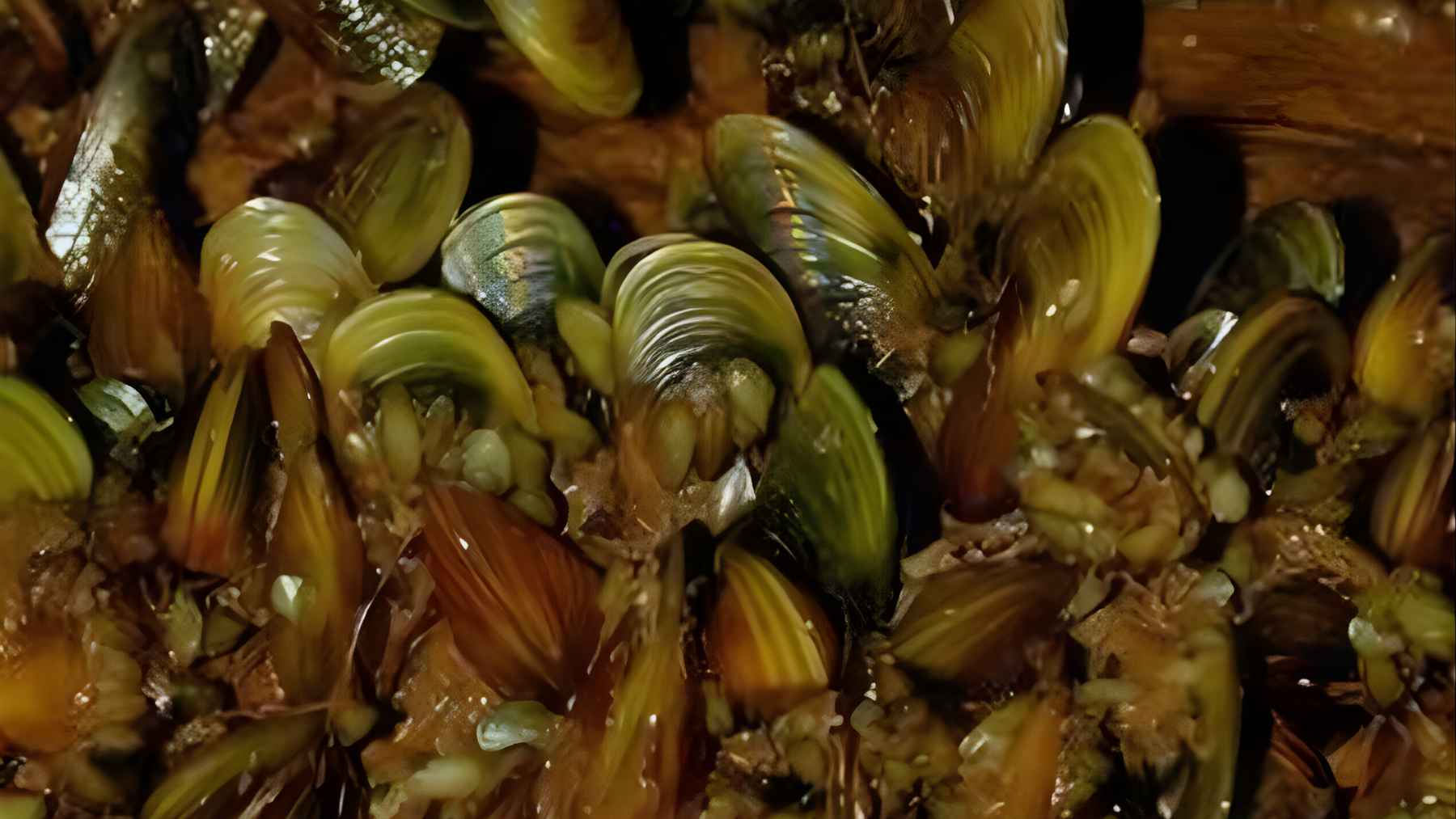
Zebra, quagga, and golden mussels are small invasive shellfish that attach to hard surfaces and form dense clusters. Once established, they can coat docks, rocks, and the inside of pipes, almost like a living layer of grit. They also reproduce in huge numbers, which is why a single new introduction can snowball.
The tricky part is their earliest life stage. Their young can be microscopic and drift, so you cannot “see the problem” the way you might spot a weed on a trailer. Ever dumped out a cup of water without thinking twice?
California’s newest mussel problem started in the Delta
California’s golden mussel story, according to state wildlife officials, began with a discovery in the Sacramento-San Joaquin Delta on October 17, 2024.
The mussels were found on a float near the Port of Stockton, then confirmed through genetic testing, including work by the UC Davis Genomic Variation Laboratory and the California Department of Food and Agriculture’s laboratory.
In the months that followed, officials logged more detections at monitoring sites and water facilities, including one pumping plant where several hundred mussels were removed, ranging from about a quarter-inch to just under an inch long.
For the public, those details can feel distant. But the pattern is the headline. When a species shows up on equipment tied to water delivery, the window to contain it can shrink fast.
The damage is often out of sight, until it hits your water system
Why do agencies get so anxious about a small animal you might never notice while swimming? Because mussels do their worst work where people do not look, inside intake screens, pumps, and narrow pipes.
When water delivery slows or crews have to shut down equipment to scrape out shells, that disruption can ripple into farms, drinking water operations, and power generation.
The price tag is already huge. Federal estimates have put invasive mussels at more than $1 billion a year in economic impacts and management costs, and U.S. Geological Survey research has linked that burden to damage and control work on water infrastructure and industry.
How the $200,000 prize is set up
The challenge is called “Halt the Hitchhiker,” and it runs in three phases from ideas to prototypes. Phase one awards up to $25,000 each to as many as six concept paper winners, with submissions due May 29, 2026, and phase two offers up to $50,000 each to as many as three teams after a virtual pitch.
Phase three supports prototype development and lab testing, with prizes of up to $125,000 for first place, $75,000 for second, and $50,000 for third, and officials say the agency hired yet2 to run the competition and keep solutions safe for boaters, watercraft, and the environment.
If one team advances and wins through every round, its total can reach $200,000. If every maximum award is paid out across all phases, the full pot can add up to $550,000. That money is meant to speed up real-world testing, not just brainstorming.
Why Shasta Lake and other recreation hubs are on alert
The announcement is national, but the concern feels local in places where boating and water infrastructure share the same shoreline. Michael Burke, a public affairs specialist involved in the effort, said officials are working closely with the California Department of Fish and Wildlife and “want to do everything we can to prevent the spread of the golden mussel in our area.”
West Bishop, an aquatic invasive species specialist at SePRO, warned that the mussel “doesn’t belong here” and described it as a threat to water supplies and food production if it spreads.
The program is limited to U.S.-based applicants, and the application process also lists an informational webinar for March 25, 2026. The competition’s middle step is a virtual pitch that some organizers describe as “Shark Tank” style. Either way, the point is to push ideas toward something that can be tested.
What happens next, and what boaters can do today
This prize is not a replacement for existing inspections, and it is not a magic shield that appears overnight. For now, officials still rely on basics posted at marinas and checkpoints. Clean the boat, drain all water you can, and let equipment dry before heading to a new lake.
That routine may feel like a chore, especially when you just want to get home. But it is one of the few proven steps individuals can take while agencies hunt for better technology.
If the challenge produces a faster way to neutralize mussels inside ballast tanks, it could make those busy summer weekends less stressful for everyone who depends on safe water and reliable power.
The original announcement was published on the U.S. Bureau of Reclamation.