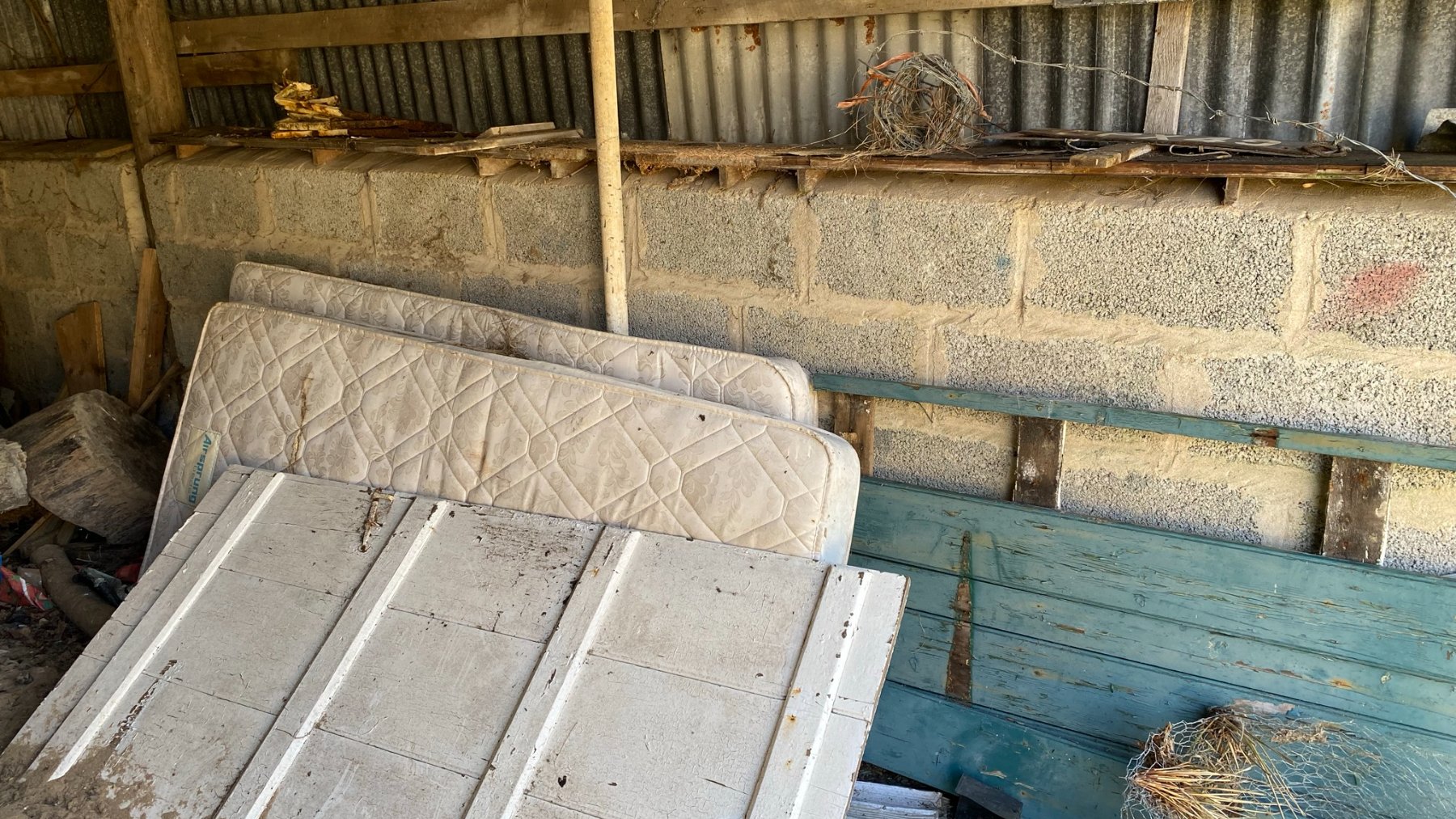
Americans discard roughly 50,000 mattresses each day, according to a longstanding estimate cited by the Product Stewardship Institute, adding up to about 18 million a year. Yet Massachusetts environmental officials say more than 75% of mattress components can be reused after disassembly.
The uncomfortable part is that recyclable materials do not automatically reach a recycler. Collection, transportation and processing need funding, and Oregon’s first full year of a statewide program offers a practical example of how organizing those services can recover material from thousands of old beds.
Oregon’s first year puts collection to the test
Oregon’s program began on January 1, 2025. In its annual report submitted July 1, 2026, the Mattress Recycling Council (MRC) reported collecting more than 134,000 mattresses and box springs during 2025, with 5.9 million pounds of material reused, recycled or used as biomass fuel.
That last distinction matters. Using recovered material as fuel is not the same as turning it into another product, so the full 5.9-million-pound figure should not be described as material recycling.
“Thanks to businesses and communities throughout the state, it’s more convenient than ever for Oregonians to keep mattresses out of landfills,” said MRC’s Mike O’Donnell in a June 25, 2026, statement. The collection network serves residents and businesses, including mattress retailers, hotels and schools.
Why an old mattress still has value
Anyone who has wrestled a mattress down a staircase knows how much space it takes up. Cambridge, Massachusetts, lists landfill capacity among its reasons for separating mattresses from ordinary trash, alongside recovering their steel, foam, textiles and wood.
At recycling facilities, mattresses and box springs are dismantled so those components can be separated. Steel can go into new metal products, foam into carpet padding, and fibers into insulation, according to MRC. The whole bed does not need another sleeper to be useful.
That does not mean every discarded mattress will yield the same amount of usable material. Construction and condition differ, and local programs set their own acceptance requirements, making a recyclability estimate different from a measured recycling rate.
Recyclable does not mean free to recycle
But who pays to move that awkward load? Oregon funds its program through a $22.50 assessment on new mattress and box spring sales, including online purchases, while participating collection locations accept eligible used units without an additional drop-off charge.
The practical lesson is that material value and service costs are different questions. Knowing that steel can be reused does not tell a household how to get a bulky mattress to a facility, or who will cover that trip.
Free drop-off also does not necessarily mean free pickup from your bedroom. Oregon’s collection locations solve part of the problem, but a household still needs to arrange transportation or ask a retailer about removal. For someone without a truck, that can be the deciding detail.
States are changing how mattresses leave the waste stream
MRC operates industry-run programs in California, Connecticut, Oregon and Rhode Island. California’s system is financed through a recycling fee and overseen by CalRecycle. For 2024, MRC reported recycling more than 1.56 million California mattresses and diverting 65 million pounds of material from landfills.
Massachusetts took a different route, adding mattresses and box springs to its waste-disposal ban on November 1, 2022. Residents still need to follow local collection rules rather than leave an old mattress with routine household garbage.
Those local details can matter as much as the statewide policy. Boston requires eligible residents to schedule mattress pickup, while Cambridge directs residents to its recycling contractor and lists a separate collection fee.
What to ask before the delivery truck arrives
Before buying a replacement, ask the retailer whether it will remove the old mattress and whether that mattress will actually be recycled. In California, retailers delivering a new mattress must offer old-mattress take-back at no additional charge, although health and safety exceptions apply. Delivery fees for the new product may still apply.
Check Bye Bye Mattress’s directory or contact your local waste department to find an appropriate collection option. Acceptance rules differ for wet, heavily soiled or pest-infested mattresses, so describe its condition before arranging pickup. A scheduled removal is a better plan than assuming the regular trash truck will handle it.
The useful question is not just who will haul the mattress away, but where its materials will end up.
The 2025 Oregon annual report and its summary were published on the Mattress Recycling Council website.