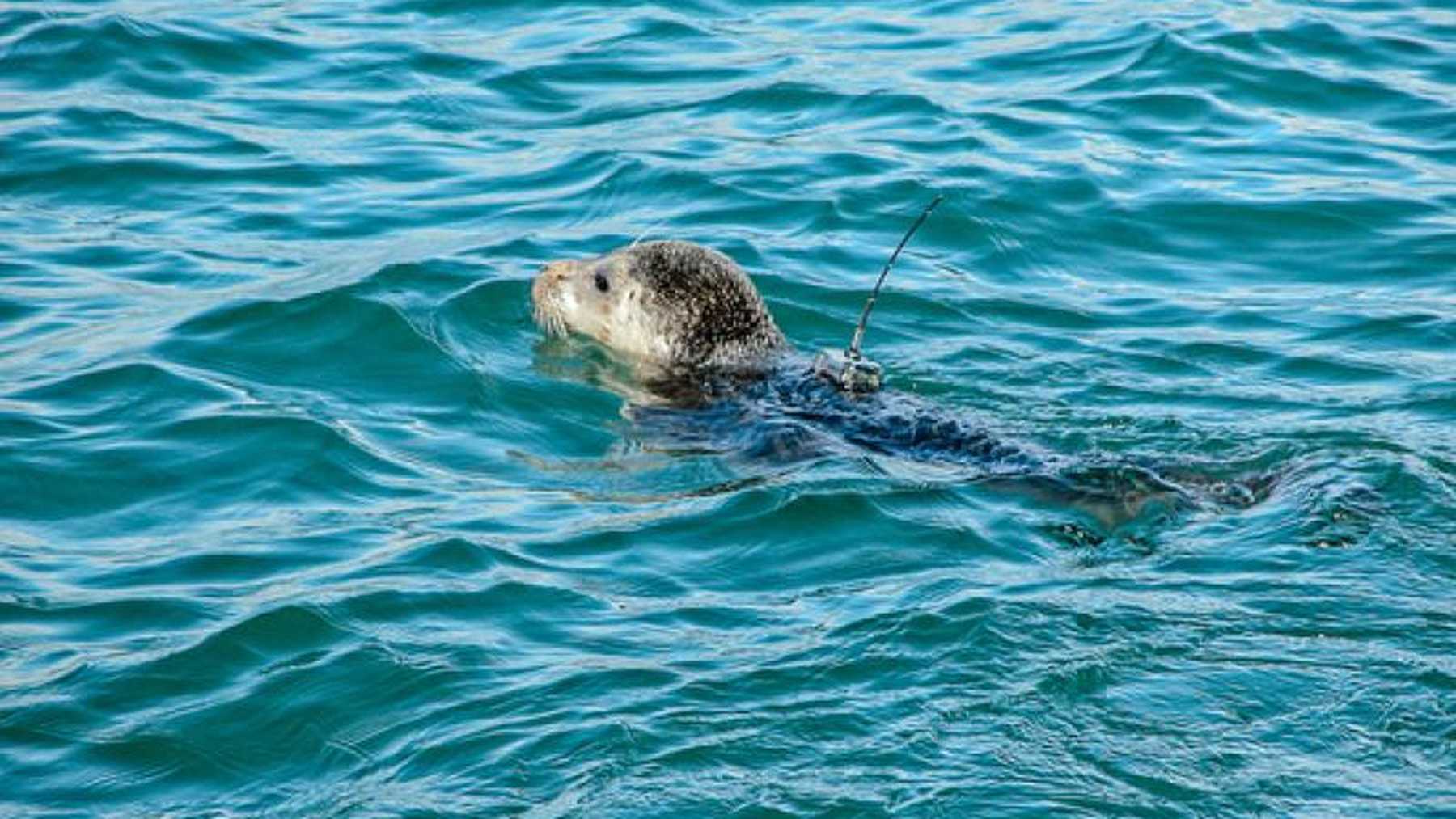
If you see an offshore wind farm in the form of a plain, the wind towers will be seen in perfect lines. And it seems that for three GPS-tagged harbor seals in the North Sea, maybe this design ended up being the perfect place to look for food! They moved from one wind tower to another, and when they arrived, they would go slower to search for fish.
There were 11 harbor seals that researchers followed and then saw that they were entering two of the operating wind farms, but only three moved systematically from one turbine foundation to the next.
Three seals followed the grid, not eleven
What is really curious about the seals is that of the dozens of seals from the British and Dutch coasts, most never approached the wind farms. Only eleven of them entered, but three of them had this random behaviour using a human construction to hunt.
They slowed down in each spot, making researchers think that it was a perfect strategy to search for fish. Two of them on the Dutch coast even followed the tubes under a subsea pipeline for 10 days.
Why a turbine foundation may become a feeding stop
These areas are usually known as places that do not have so many natural reefs… They are sandy beds. So imagine that when the steel structures are placed in that environment, barnacles, mussels or anemones and worms can attach to them. And also the rocks! The ones placed around the base create more gaps and spaces that can turn to be a shelter for many marine animals.
So this can make the wind turbine bases feel like a small reef full of life… This makes fish inhabit that area, making the seals to be there too. Take into account that for them it is so much easier and faster to go where they know they can feed themselves than swimming in empty, open water.
Two different wind farms produced the same unusual pattern
The two following wind farms may have different characteristics and locations, but still similar events with the seals happened. Sheringham Shoal is located about 11 miles off Norfolk in water, and Alpha Ventus, which sits about 28 miles north of Germany’s Borkum Island is much smaller, with 12 turbines rated at 5 megawatts each for a total of 60 megawatts. Sheringam Shoal has its 88 turbines rated at 3.6 megawatts each, giving the project a total capacity of roughly 317 megawatts,
The farms have different scales, but as they had the wind turbines with the same spacing in between, seals reacted the same way.
Construction tells a far less comfortable story
Although the parks now are a great place for seals to hunt, during the construction things were not like that. Unfortunately, the installation created a lot of disturbance. Research actually showed that with all the noise (specially with the hammering), the amount of seals in the radius of 15 miles was reduced. So yes, then when it was finished, they went back…There was no more noise to scare them away.
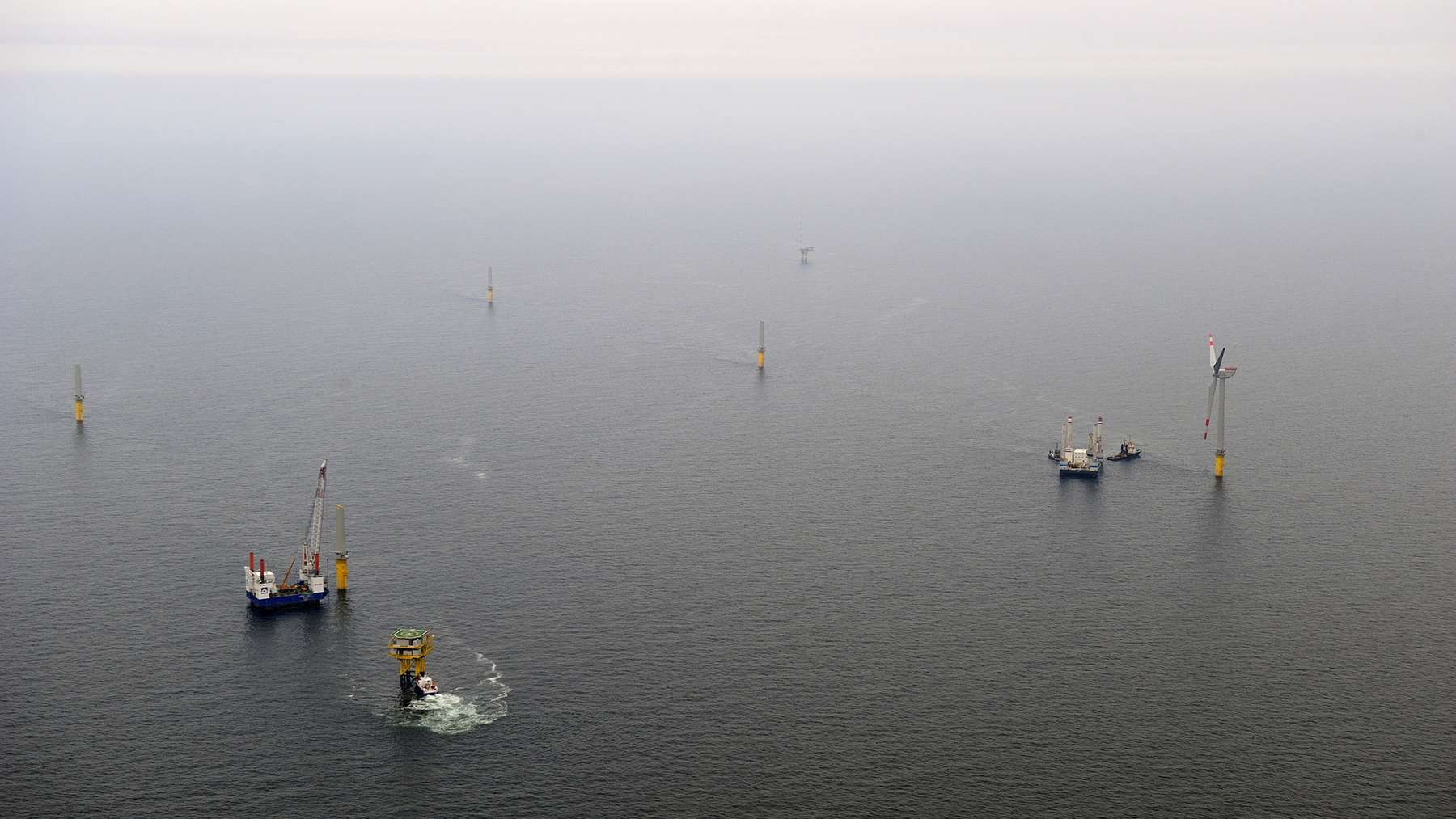
Why this small finding could matter later
All this behaviour of seals raises an important question, mostly when the old wind parks in the future may not be useful anymore and have to be decommissioned. If they take away the steel columns, the whole new small ecosystem that was built will be destroyed too..
The key point here is that for future constructions, humans should consider that the things we build may cause wild animals to adapt to them, and then… How do you dismantle or destroy these structures without affecting their lives again?
The study was published in Current Biology.