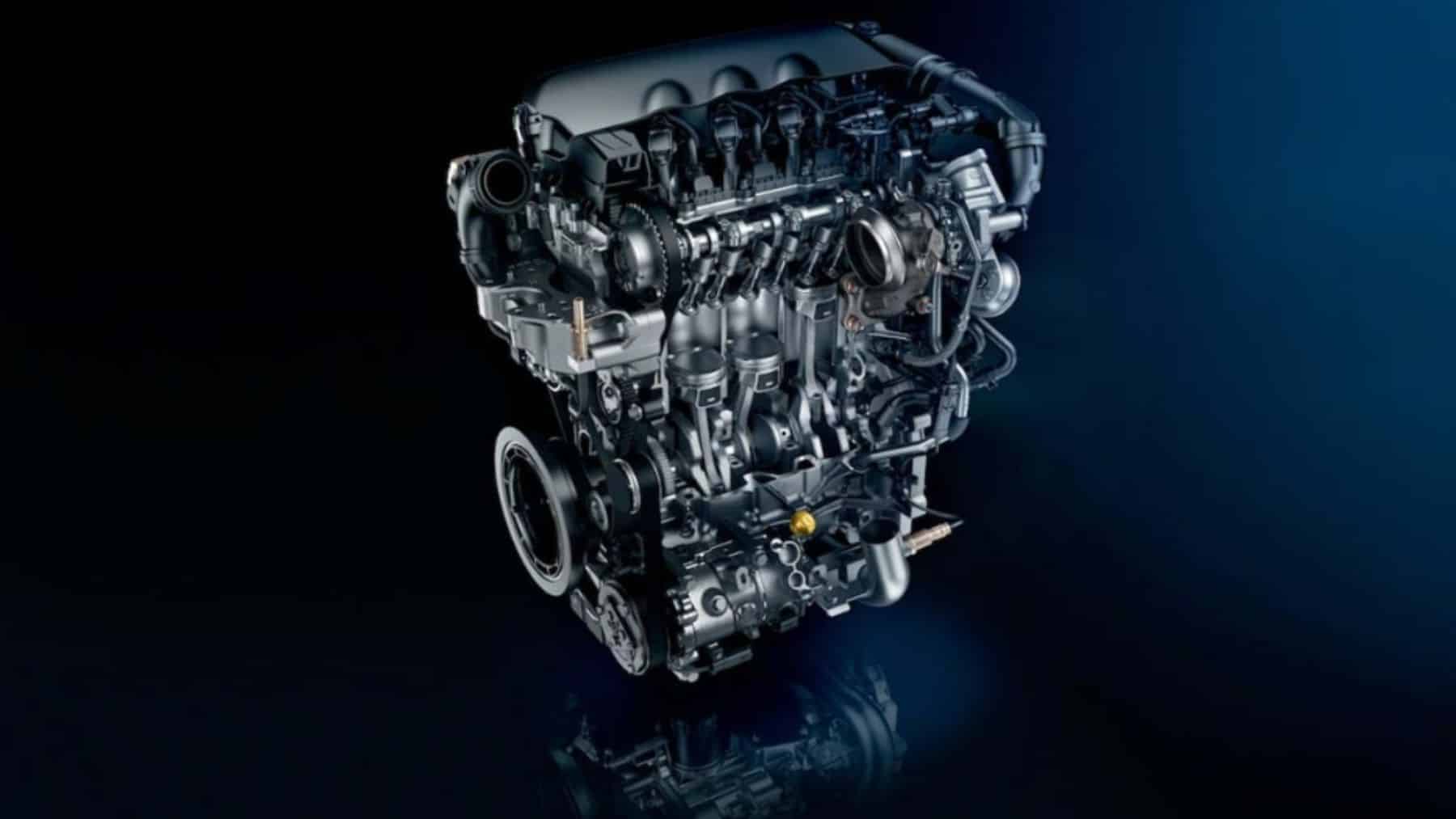
Stellantis has placed a $6 billion engine project that looks at the potential when retrieving fuel from the past. This $6 billion ethanol project sees the global auto giant putting all investments into flex-fuel and hybrid ethanol engines throughout all of the operations in South America, especially Brazil. Stellantis is betting on this fuel from the past as a way to follow the decarbonizing mobility mission without moving away from internal combustion engines (ICEs). Stellantis is betting that there may be a place for internal combustion engines, and with the launch of more than 40 new vehicles between 2025 and 2030, which will all utilize bio-hybrid technologies that run on gasoline, ethanol, or both.
All bets on ethanol for Stellantis
Placing a $6 billion investment towards the reimagination of the combustion strategy is noteworthy, and it showcases Stellantis’ strategy to create a fuel engine meant to run on gasoline or ethanol in any ratio. While neither gasoline nor ethanol is new to the mobility world, Stellantis chooses to integrate them with hybrid and other plug-in hybrid systems.
The idea is to drift away from fully electric vehicles (EVs), which require constant charging and high-cost battery materials. Stellantis’ solution seems ideal for countries such as Brazil and Argentina since ethanol is so easily available and already in use in vehicles. Ethanol can lead to a reduction in emissions, but it also means relying on resources that are already in abundance.
Stellantis’ company facility in Betim, Brazil, is the main center for this Bio-Hybrid innovation, and engineers are working on:
- Bio-Hybrid mild hybrids (gasoline/ethanol with electric assist)
- Bio-Hybrid eDCT (dual-clutch electrified transmissions)
- Plug-in Bio-Hybrids
- One battery electric vehicle (BEV)
Stellantis is keeping its “Dare Forward 2030” strategy in mind and hopes to achieve net-zero carbon emissions by 2038.
Ethanol is the common fuel for over 40 vehicles
Between 2025 and 2030, 40 vehicles will be launched as per the initiative, which will consider flex-fuel hybrid powertrains. All engines and hybrid systems will work with multiple vehicle platforms and existing assembly lines. In the long run, production costs will be minimal, and scalability will be a possibility.
Stellantis ensured that consumers in South America and Brazil knew that tapping fully into electrification was never the right route for the company. Stellantis’ core aim is to diversify the powertrain portfolio whilst reaping the benefits of fuels like ethanol.
Europe is looking to phase out internal combustion engines (ICEs) by 2025; however, automakers, including Porsche, predict that such bans could be delayed if climate-neutral fuels such as ethanol are considered. Japan, too, has introduced the world’s first green fuel engine.
Where South America fits into the equation
The South American operation called the “third engine” is advancing its reach in countries like the Middle East, Africa, and Asia-Pacific. With the ethanol engine being at the forefront, Stellantis is looking to create a core presence in markets such as Brazil, Argentina, and Chile.
Stellantis enjoys 31,4% market share in Brazil, and the initiative will ensure that jobs are created for locals and that regional suppliers get supported. The aim is to make the country a biofuel leader as well. Stellantis is looking to gain control of hardware and infrastructure in support of a multi-fuel future.
While all other routes may lead to a fully electric future, Stellantis is on a pathway that is paved by ethanol and hybrid initiatives. Needless to say, the $6 billion investment is the company’s way of investing in a cleaner mobility future and showing that the cleaner mobility future does not have to be fully electric. Stellantis’ boss is clear on the future of EVs. Alcohol can also be used to ensure that the mobility sector goes down a much cleaner pathway and one that makes sense.
Disclaimer: Our coverage of events affecting companies is purely informative and descriptive. Under no circumstances does it seek to promote an opinion or create a trend, nor can it be taken as investment advice or a recommendation of any kind.